





Multimodal AI: Integrating Diverse Technologies for a Smart and Adaptive Future
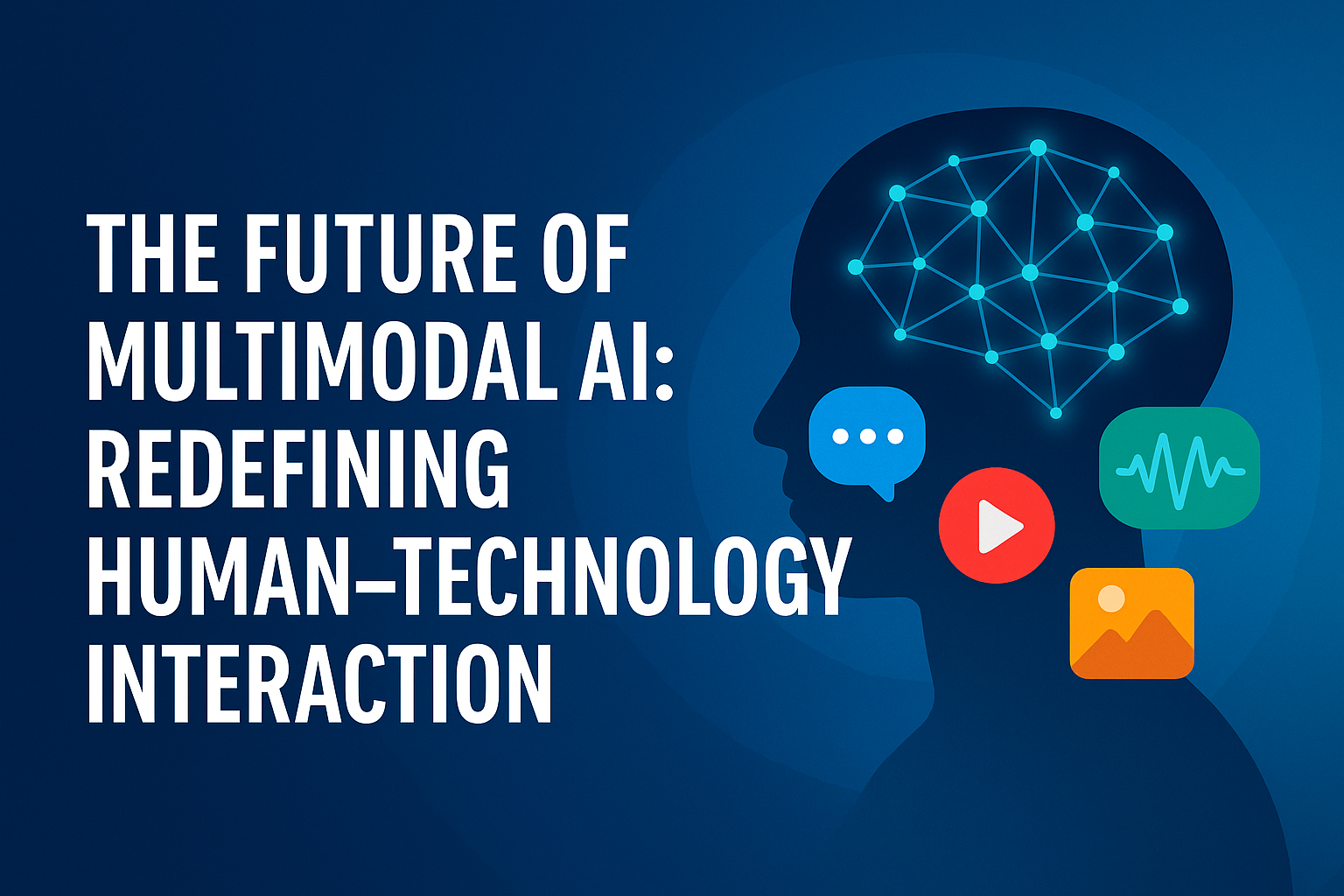
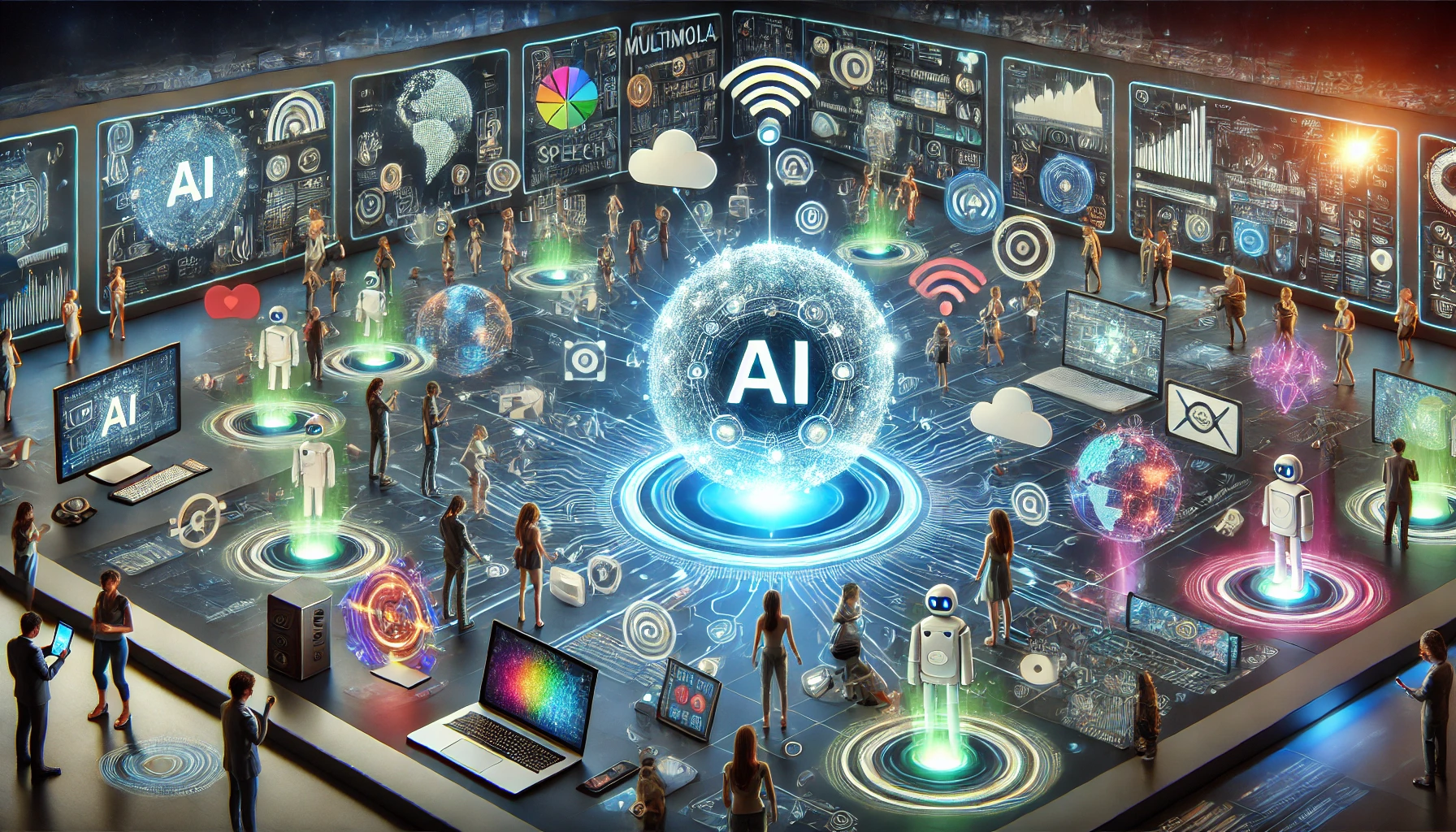
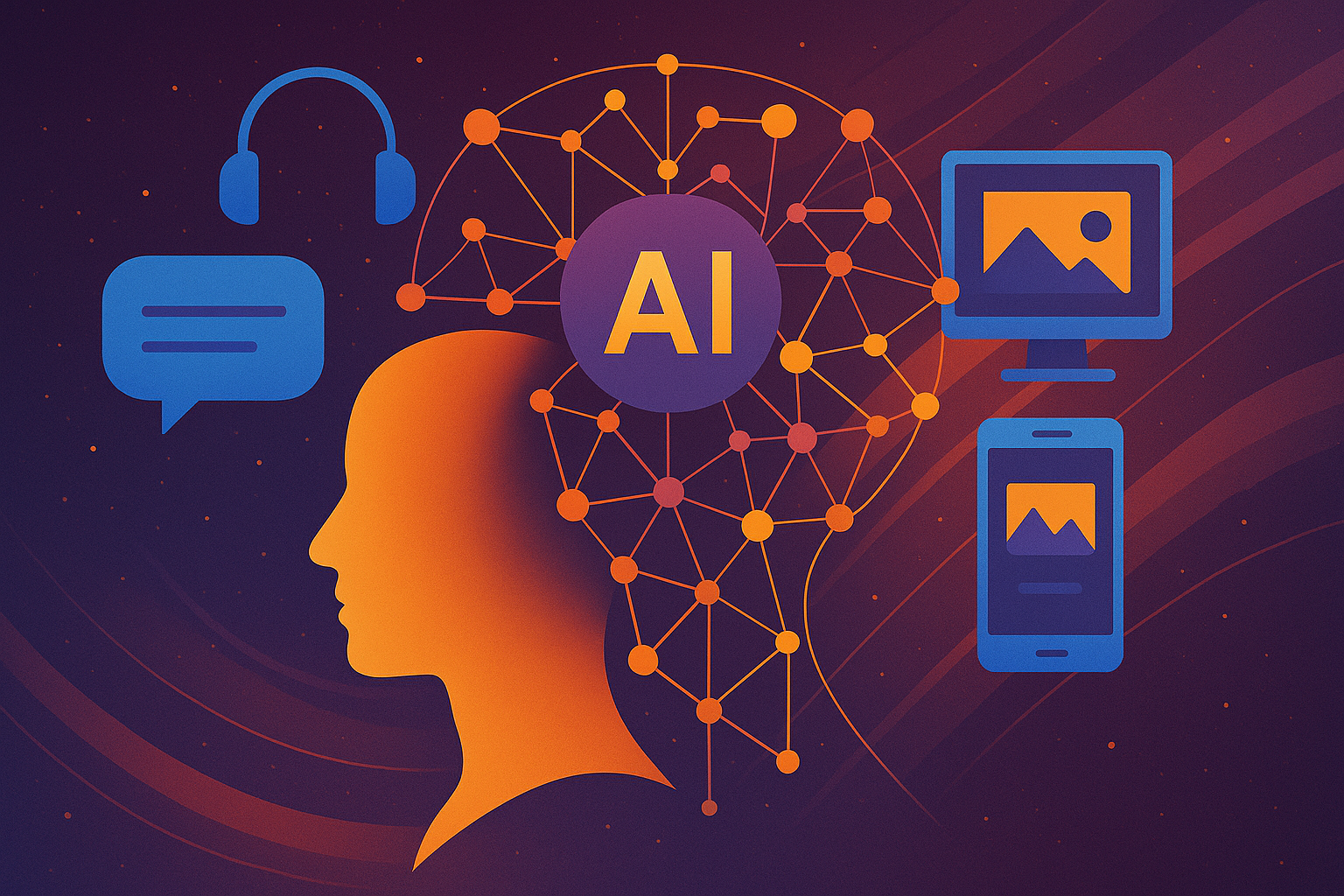
The rapid evolution of artificial intelligence (AI) has ushered in a new era of multimodal AI, where systems are designed to process and integrate information from multiple sources or modalities, such as text, images, audio, and video. This integration not only enhances the capabilities of AI applications but also allows for richer, more nuanced interactions and insights. As we delve into the technical foundations, challenges, and value-driven principles of multimodal AI, we will explore cross-modal representation learning, data fusion, and the handling of noisy modalities, all of which are pivotal for creating robust and intelligent systems.
Technical Foundations of Multimodal AI
At its core, multimodal AI relies on the ability to understand and synthesize information from various modalities. The technical foundations of this field are built on several key areas:
1. Representation Learning: This involves creating embeddings that capture the semantics of different modalities. Techniques like deep learning, particularly neural networks, play a crucial role in transforming raw data from diverse sources into a unified representation.
2. Data Fusion: This is the process of combining information from different modalities to create a more comprehensive understanding. Data fusion can occur at various levels—early fusion (combining raw data), late fusion (integrating outputs from separate models), and hybrid fusion (a combination of both).
3. Cross-Modal Learning: This technique enables models to learn from one modality and apply that knowledge to another. For instance, a system trained on text data can enhance its performance in image recognition by leveraging textual descriptions of the images.
4. Attention Mechanisms: These mechanisms allow models to focus on specific parts of the input data, enhancing the relevance of the information being processed. This is particularly useful in multimodal contexts where certain features may be more informative than others.
Cross-Modal Representation Learning
Cross-modal representation learning is a critical aspect of multimodal AI that facilitates the understanding of relationships between different modalities. One of the most significant challenges in this domain is aligning representations from disparate sources. For instance, consider an AI system designed to analyze videos. The system must extract visual features from the video frames while simultaneously understanding the audio track and any accompanying text (such as subtitles).
To achieve effective cross-modal representation learning, various techniques have been developed:
– Joint Embedding Spaces: These involve mapping different modalities into a shared space where relationships can be learned. For example, a model might embed images and their corresponding textual descriptions into a common vector space, enabling the system to retrieve images based on text queries and vice versa.
– Contrastive Learning: This technique encourages models to distinguish between similar and dissimilar pairs of data points across modalities. By maximizing the similarity of matched pairs (e.g., an image and its caption) while minimizing the similarity of unmatched pairs, the model learns to create robust representations that capture the essence of both modalities.
Despite its potential, cross-modal representation learning faces challenges, such as the heterogeneity of data distributions across modalities and the difficulty in obtaining aligned training data. Addressing these challenges is crucial for improving the performance of multimodal systems.
Data Fusion Techniques: Challenges and Innovations
Data fusion in multimodal AI is not merely about combining data; it involves a strategic approach to enhance the quality and reliability of the integrated information. The challenges in data fusion stem from the varying quality, granularity, and availability of data across modalities.
Challenges in Data Fusion
1. Noisy Modalities: Different modalities can introduce noise, which may compromise the quality of the integrated information. For instance, audio data may contain background noise, while visual data may be affected by lighting conditions. Developing robust mechanisms to filter out this noise is essential for accurate data fusion.
2. Temporal Alignment: In applications like video analysis, aligning data temporally is critical. For instance, synchronizing audio with corresponding visual frames poses a challenge, particularly when dealing with real-time data streams.
3. Scalability: As the volume of data increases, scaling fusion techniques becomes a significant challenge. Efficient algorithms that can handle large datasets without compromising speed or accuracy are needed.
Innovations in Data Fusion
To address these challenges, researchers have developed various innovative approaches:
– Hierarchical Fusion Models: These models process data at different levels of abstraction, allowing for more flexible integration. For instance, a hierarchical model might first fuse low-level features (like pixel values) before integrating higher-level semantic information (like object categories).
– Attention-based Fusion: Leveraging attention mechanisms enables models to weigh the importance of different modalities dynamically. For example, during the analysis of a video, the model can focus more on the visual stream during action recognition while considering the audio stream for contextual information.
– Generative Models: Generative approaches, such as variational autoencoders (VAEs) and generative adversarial networks (GANs), can synthesize missing modalities or enhance existing ones, improving the robustness of the fusion process.
Handling Noisy Modalities
One of the most pressing challenges in multimodal AI is the presence of noisy modalities. Noisy data can stem from various sources, such as sensor inaccuracies, environmental conditions, or data corruption during transmission. Effectively managing this noise is crucial for maintaining the integrity of the AI system.
Techniques for Handling Noise
1. Noise Robustness Techniques: These techniques involve training models to be resilient to noise. For instance, incorporating dropout layers in neural networks can help models generalize better in the presence of noise.
2. Data Preprocessing: Effective preprocessing techniques, such as filtering and normalization, can significantly reduce noise levels before data is fed into the model. This includes techniques like spectral subtraction for audio signals and image denoising algorithms for visual data.
3. Multi-Task Learning: By training models on multiple related tasks simultaneously, it is possible to improve performance in the presence of noise. For example, a model trained to perform both image classification and caption generation may learn to leverage complementary information, enhancing its robustness against noise.
Conclusion: Key Takeaways
Multimodal AI represents a significant leap forward in the capabilities of artificial intelligence systems, allowing for richer interactions and deeper insights. By integrating diverse technologies, multimodal AI can create more adaptive and intelligent solutions. However, the journey is fraught with challenges, including cross-modal representation learning, data fusion complexities, and the handling of noisy modalities.
The future of multimodal AI lies in innovative approaches that address these challenges while adhering to value-driven principles that prioritize user experience, ethical considerations, and sustainability. As we continue to explore the potential of multimodal AI, it is essential to remain focused on creating systems that are not only technologically advanced but also beneficial to society.