




Boosting Your Productivity: Effective Techniques and Tools to Maximize Your Daily Output
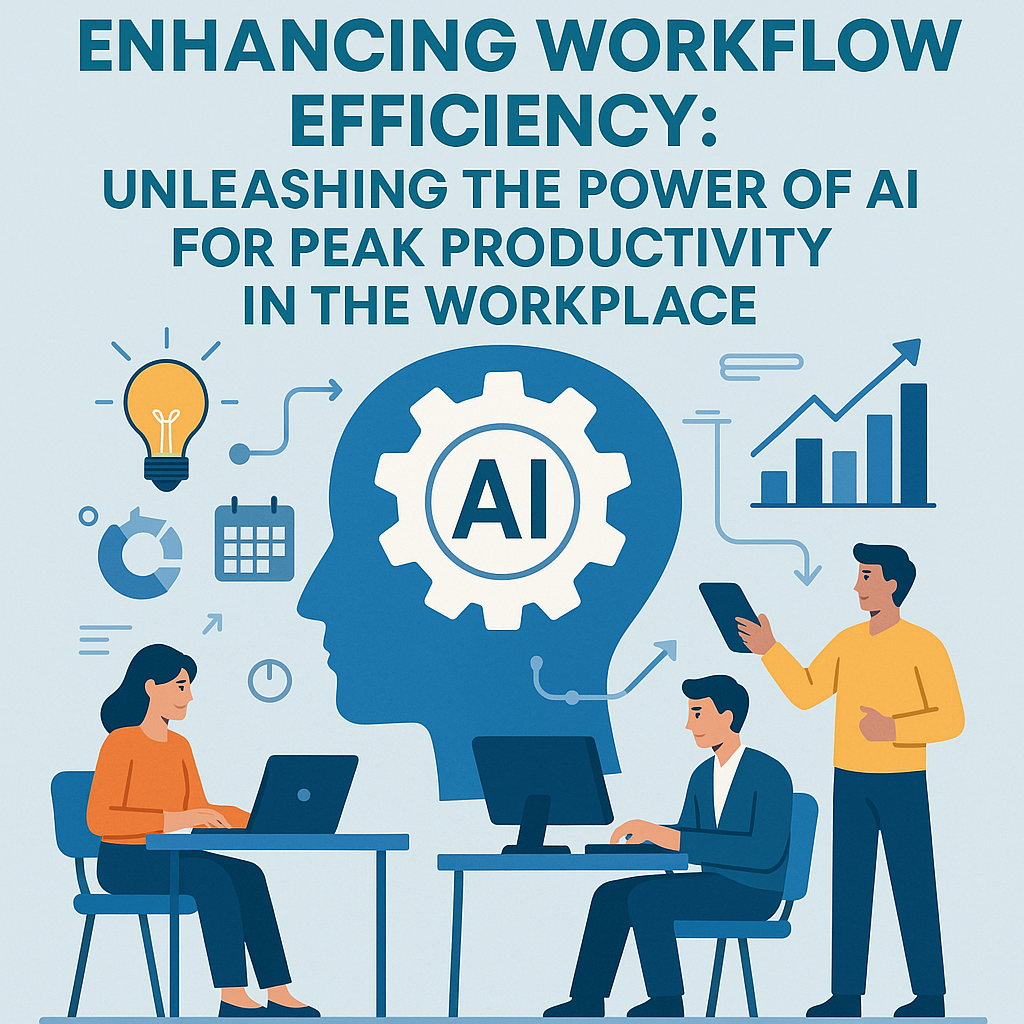
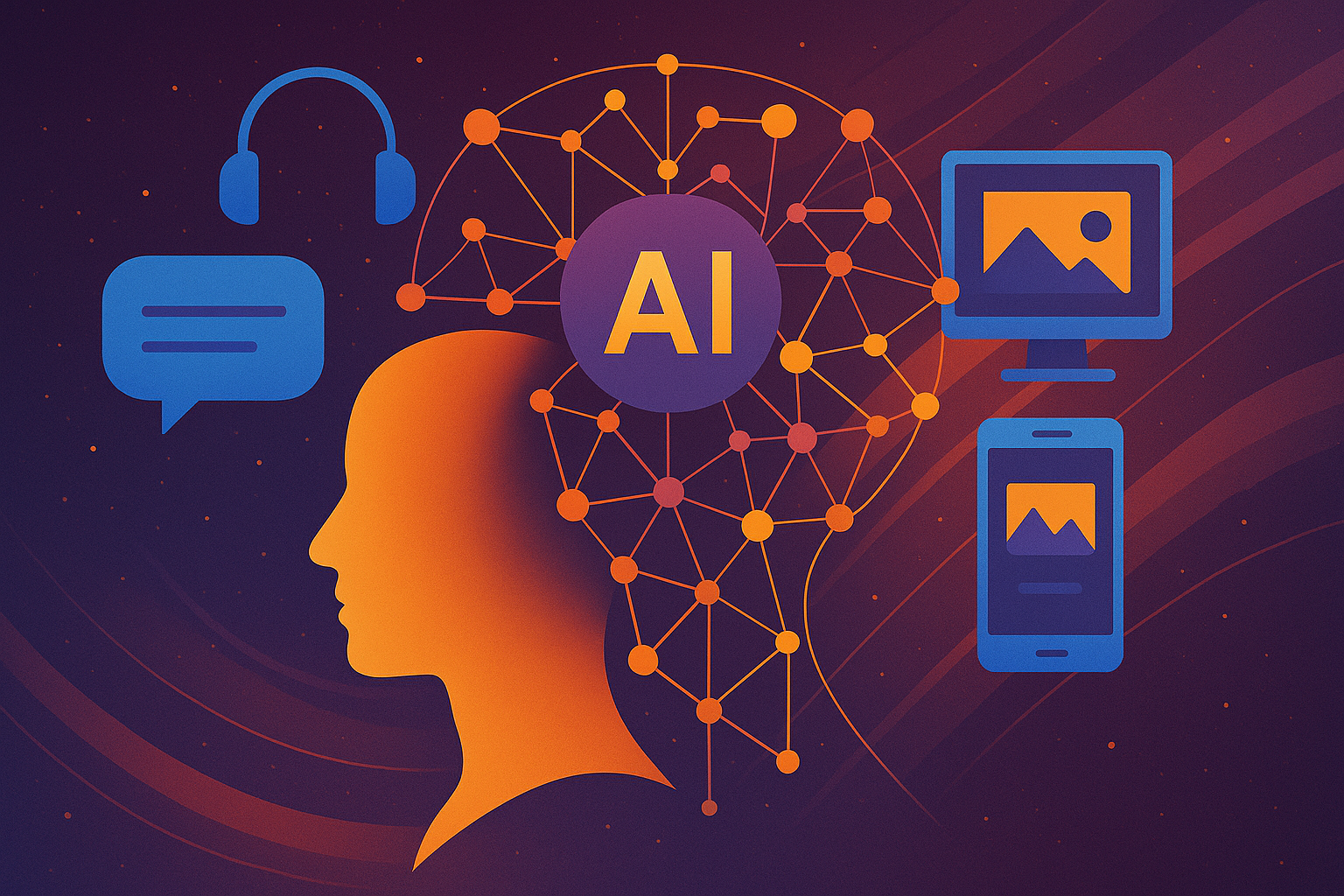
In today’s fast-paced business landscape, productivity is paramount. Organizations are continually searching for innovative ways to enhance their efficiency and output. One of the most transformative forces in this quest is artificial intelligence (AI). By automating routine tasks, providing data-driven insights, and facilitating better decision-making, AI is revolutionizing productivity across various sectors. This article explores how AI can boost productivity in business through automation, data analysis, and enhanced collaboration.
Automating Routine Tasks
Automation stands at the forefront of AI’s impact on productivity. Many businesses are inundated with repetitive tasks that consume valuable time and resources. By implementing AI-driven automation tools, organizations can streamline these processes, allowing employees to focus on higher-value activities. For instance, chatbots can handle customer inquiries, freeing up human agents to tackle more complex issues that require personal attention.
Moreover, AI can optimize workflows by automating scheduling, invoicing, and even email management. Tools like Zapier and IFTTT enable users to create automated workflows between different applications, reducing the need for manual intervention. As a result, employees can dedicate their time to strategic initiatives rather than getting bogged down in mundane tasks. This shift not only enhances productivity but also boosts job satisfaction, as employees can engage in more meaningful work.
In addition, AI-powered tools such as robotic process automation (RPA) can execute rule-based tasks across various business functions. For example, RPA can be employed in finance to automate data entry and reconciliation, significantly decreasing the time required to complete these tasks. By minimizing human error and increasing speed, businesses can achieve higher levels of efficiency and accuracy.
Enhancing Data Analysis
Another way AI is reshaping productivity is through enhanced data analysis. The modern business environment generates vast amounts of data, making it challenging for organizations to extract actionable insights. AI algorithms can sift through this data at unprecedented speeds, identifying patterns and trends that may go unnoticed by human analysts. Consequently, businesses can make informed decisions based on real-time insights rather than relying on outdated information.
Furthermore, predictive analytics powered by AI enables organizations to forecast future trends and behaviors. By analyzing historical data, AI can predict customer preferences, market fluctuations, and operational bottlenecks. This foresight allows companies to proactively address potential challenges and capitalize on emerging opportunities. For instance, retailers can use AI to analyze purchasing patterns, enabling them to optimize inventory management and reduce stockouts or overstock situations.
Additionally, AI tools such as natural language processing (NLP) can analyze unstructured data from sources like social media, customer reviews, and surveys. By understanding customer sentiments and feedback, businesses can tailor their products and services to better meet consumer demands. This data-driven approach not only enhances productivity but also fosters a customer-centric culture that drives long-term success.
Facilitating Enhanced Collaboration
Collaboration is a cornerstone of productivity, and AI is playing a pivotal role in facilitating teamwork across organizations. AI-powered collaboration tools help teams communicate more effectively, regardless of their geographical locations. Platforms like Microsoft Teams and Slack leverage AI to enhance user experience, providing features such as smart notifications, automated meeting scheduling, and even language translation.
The integration of AI in project management tools also streamlines collaboration. Tools like Asana and Trello utilize AI to prioritize tasks, allocate resources, and track progress in real-time. By automating these processes, teams can stay aligned on project goals and deadlines, reducing the likelihood of miscommunication and delays. This not only accelerates project completion but also enhances overall team productivity.
Moreover, AI-driven analytics can provide insights into team performance and collaboration patterns. By analyzing how teams interact and share information, organizations can identify areas for improvement and implement strategies to foster a more collaborative environment. For instance, if data reveals that certain teams are consistently missing deadlines, management can investigate the underlying causes and take corrective action.
Conclusion
The integration of AI into business operations is not merely a trend; it represents a fundamental shift in how organizations approach productivity. By automating routine tasks, enhancing data analysis, and facilitating collaboration, AI empowers businesses to maximize their daily output. As organizations continue to embrace these technologies, the potential for increased efficiency and effectiveness will only grow.
In conclusion, harnessing AI is essential for companies looking to stay competitive in today’s dynamic market. By adopting AI-driven tools and techniques, businesses can not only enhance their productivity but also create a more engaged and innovative workforce. As the landscape of work continues to evolve, those who leverage AI effectively will position themselves for long-term success. Embracing these advancements is not just an option; it is a necessity for organizations aiming to thrive in the digital age.