AI Art: Bridging the Gap Between Technology and Visual Expression in a Digital Age
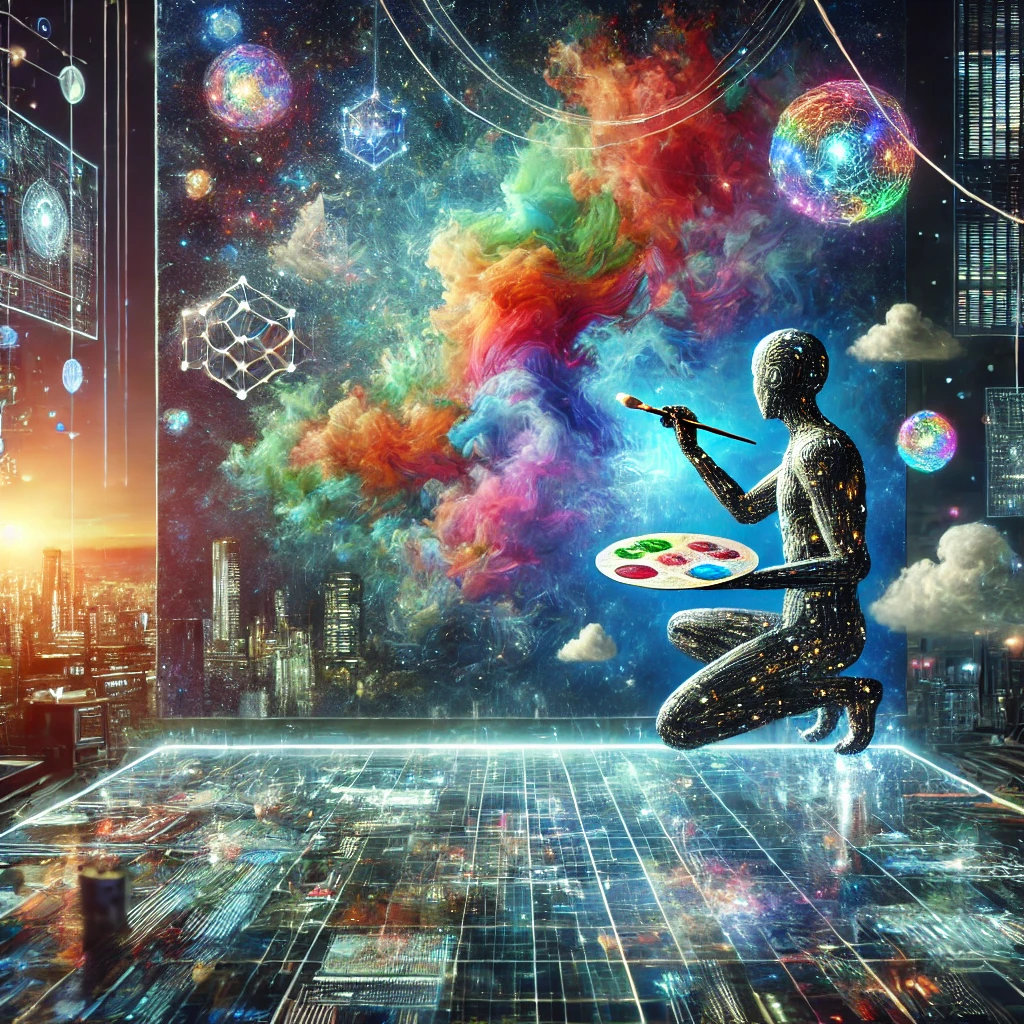
In recent years, the intersection of artificial intelligence (AI) and art has sparked a revolution in how we perceive creativity and expression. As technology advances, AI art has emerged as a new medium that challenges traditional notions of authorship and artistic intent. This article will explore the transformative role of AI in the art world, focusing on its creative processes, implications for artists, and the broader cultural impact.
The Creative Process: How AI Generates Art
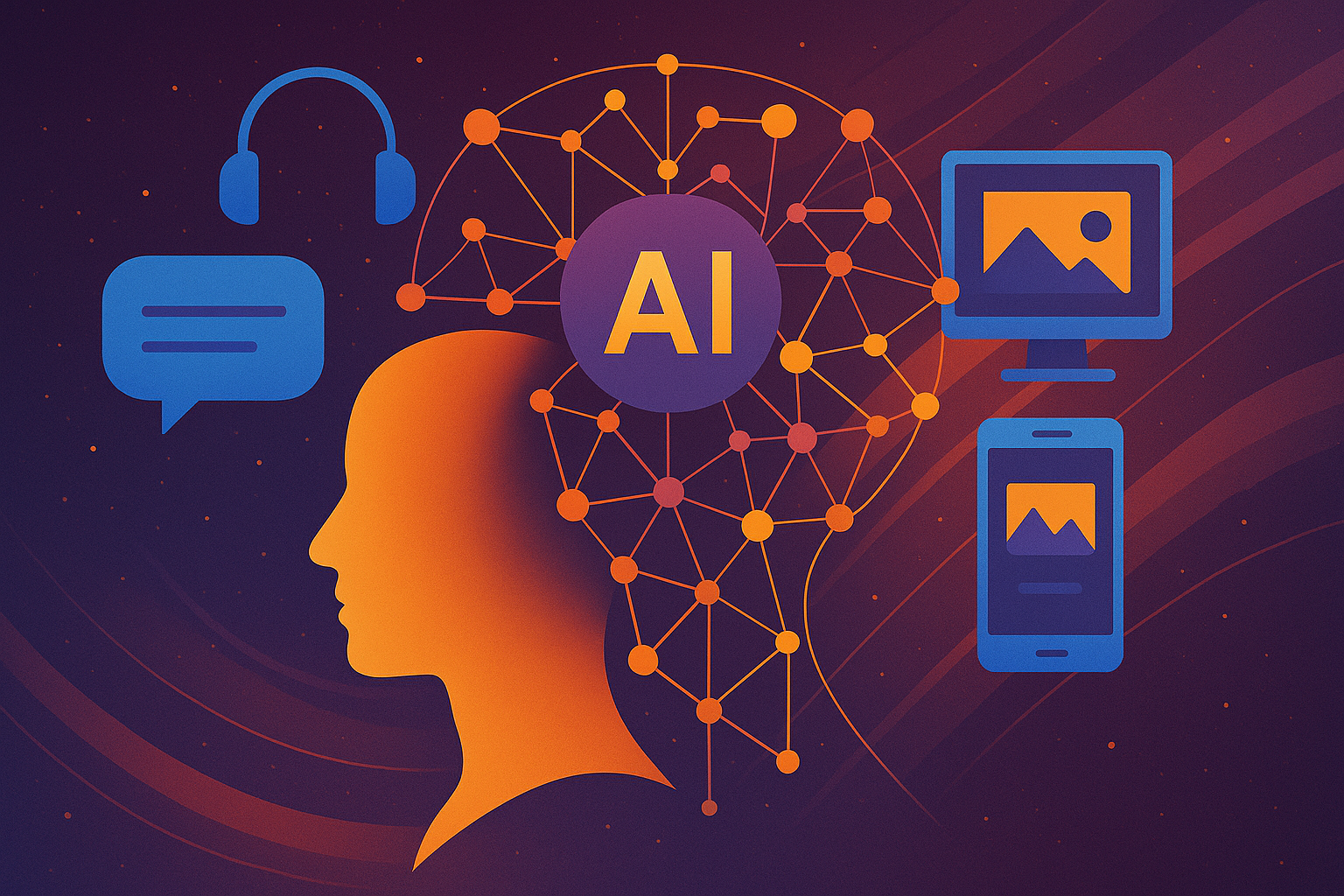
One of the most fascinating aspects of AI art is the way it generates visual content. Unlike traditional art forms that rely on human intuition, emotion, and experience, AI employs algorithms and machine learning techniques to create artworks. At the core of this process is a neural network, a computational model designed to recognize patterns and make decisions based on data.
To produce art, AI systems are typically trained on vast datasets comprising thousands or even millions of existing artworks. This training allows the AI to learn various styles, techniques, and concepts prevalent in the art world. For instance, generative adversarial networks (GANs) have gained prominence in AI art creation. These networks consist of two components: a generator that creates images and a discriminator that evaluates them. Through an iterative process, the generator learns to produce increasingly sophisticated artworks that can mimic the styles of renowned artists or explore entirely new aesthetics.
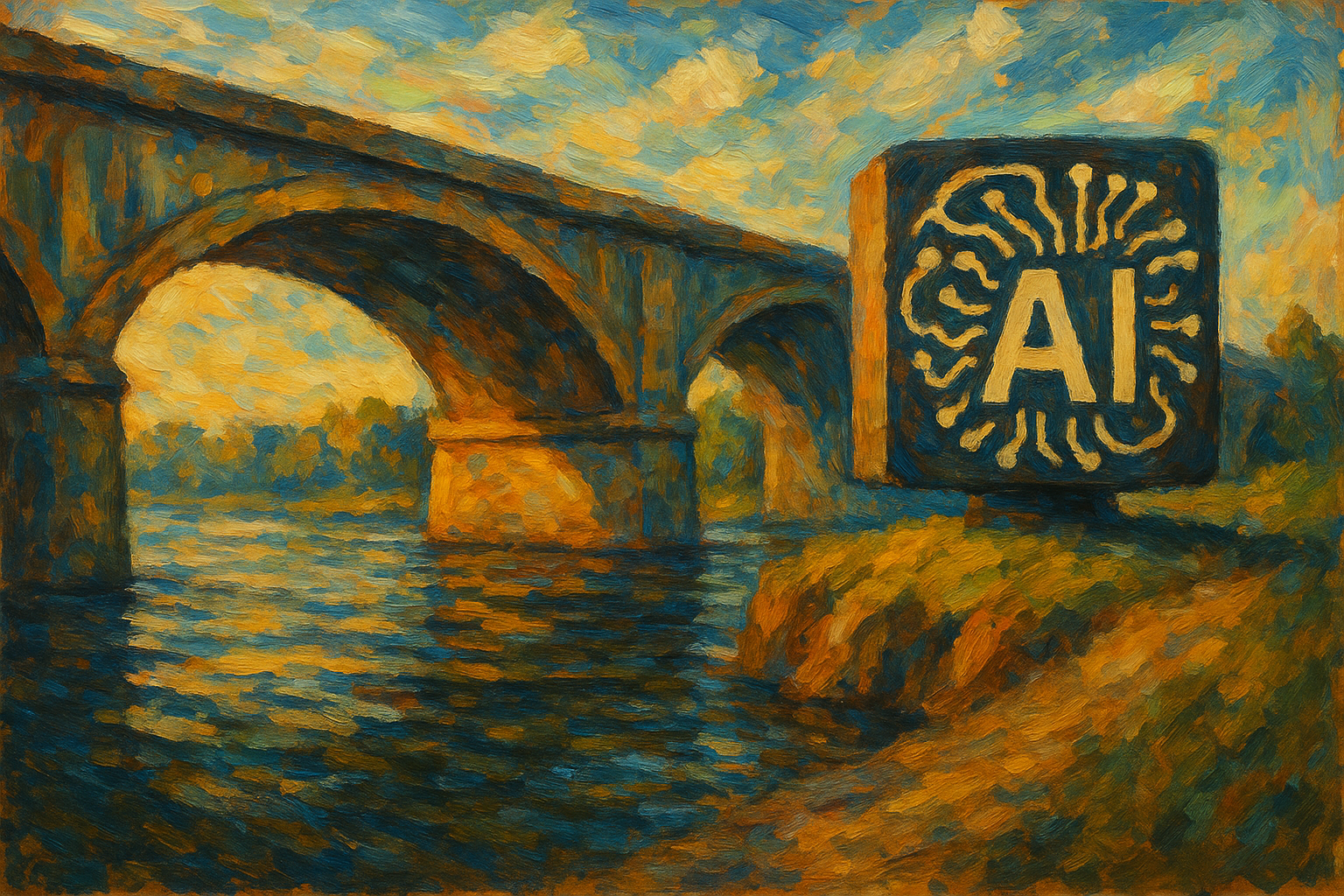
The creativity of AI lies not in its ability to replicate existing works but in its potential to synthesize novel combinations of styles and concepts. For example, an AI might produce an artwork that blends the impressionistic techniques of Monet with the abstract forms of Kandinsky, creating a unique piece that challenges our understanding of both artists. This fusion of styles raises questions about originality and the essence of artistic expression in an age where machines can generate art that is indistinguishable from human-created works.
The Implications for Artists: Collaboration or Competition?
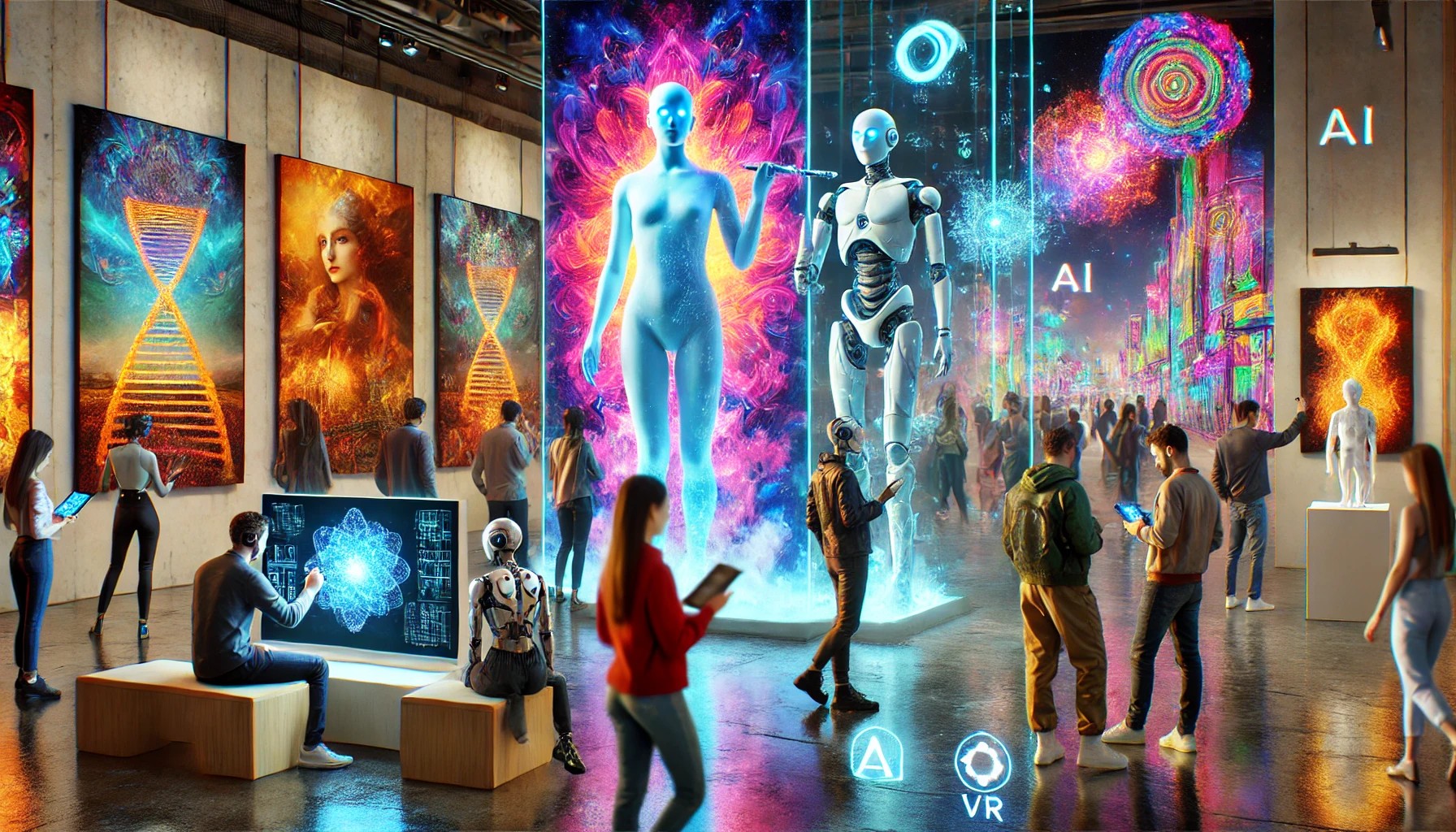
As AI art continues to gain traction, it raises critical questions about the role of artists in this new landscape. Some view AI as a tool that can augment human creativity, while others see it as a potential threat to traditional artistic practices. The reality is likely more nuanced, with AI serving as both a collaborator and a competitor.
For many artists, AI represents an opportunity to explore new creative avenues. By leveraging AI tools, artists can experiment with styles and techniques that may have been previously inaccessible due to technical constraints or time limitations. For instance, AI-driven software can assist in generating ideas, refining compositions, or even suggesting color palettes, allowing artists to focus on the more intuitive aspects of their work. This collaborative approach can lead to innovative outcomes, as artists harness the computational power of AI to push the boundaries of their creativity.
Conversely, there is a growing concern that AI-generated art could undermine the value of human-created works. As AI systems become more sophisticated, the fear is that they could flood the market with lower quality, mass-produced art, diluting the perceived worth of traditional artworks. This potential shift in the art market raises ethical questions about authorship, copyright, and the intrinsic value of art itself. If an AI can produce a stunning painting in seconds, what does that mean for the artist who spends years honing their craft?
Ultimately, the relationship between AI and artists is likely to evolve as both parties adapt to the changing landscape. Rather than viewing AI as a competitor, artists may find ways to embrace the technology, using it to enhance their creative processes while retaining their unique voices.
Cultural Impact: Redefining Art in a Digital Society
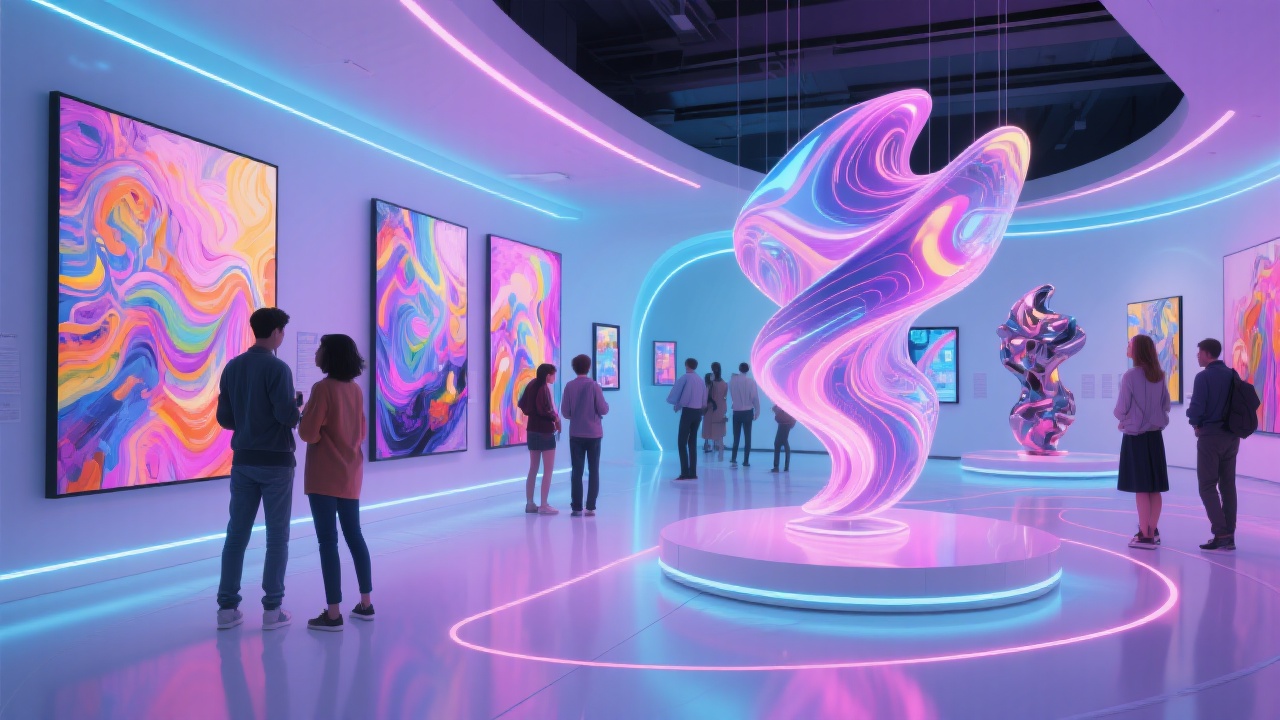
The rise of AI art is not just a technological phenomenon, it reflects broader cultural shifts in how we engage with art and creativity. In a digital society where content is increasingly consumed online, AI art has the potential to democratize artistic expression, making it accessible to a wider audience.
One significant aspect of this cultural impact is the ability of AI to generate art that resonates with diverse communities. By analyzing trends and preferences across different demographics, AI can create works that reflect the interests and values of various groups. This capability can lead to a more inclusive art world, where underrepresented voices and styles gain visibility. Additionally, AI-generated art can serve as a catalyst for discussions around identity, culture, and representation, encouraging viewers to engage with art in new and meaningful ways.
Moreover, AI art challenges traditional hierarchies within the art world. As more individuals gain access to AI tools, the barriers to entry for creating art diminish. This shift could lead to a more participatory culture where anyone, regardless of their background or training, can express themselves artistically. The implications for art education are profound, as educators may need to rethink curriculum to incorporate AI technologies and foster a new generation of creative thinkers.
However, this AI art also raises questions about the nature of creativity itself. If machines can create art, what does it mean to be an artist? As society grapples with these questions, the dialogue surrounding AI art will continue to evolve, prompting us to reconsider our definitions of creativity, authorship, and artistic value.
The emergence of AI art represents a significant shift in the landscape of visual expression, bridging the gap between technology and creativity. As generative AI continues to evolve, they challenge traditional notions of artistic authorship and open up new avenues for exploration and collaboration. While concerns about competition and market saturation persist, the potential for AI to enhance human creativity and artistic expression cannot be overlooked. As we navigate this digital age, the dialogue around AI art will undoubtedly shape the future of the art world, prompting us to redefine our understanding of creativity and expression in a technologically driven society.