Understanding GANs: Transformative Technology Behind Synthetic Media and Its Real-World Applications
Generative Adversarial Networks, commonly known as GANs, have emerged as one of the most groundbreaking technologies in the realm of artificial intelligence. By enabling machines to generate highly realistic synthetic media, GANs are reshaping industries ranging from entertainment to healthcare. This article will delve into the mechanics of GANs, their transformative impact on synthetic media, and their diverse real-world applications.
What are GANs?
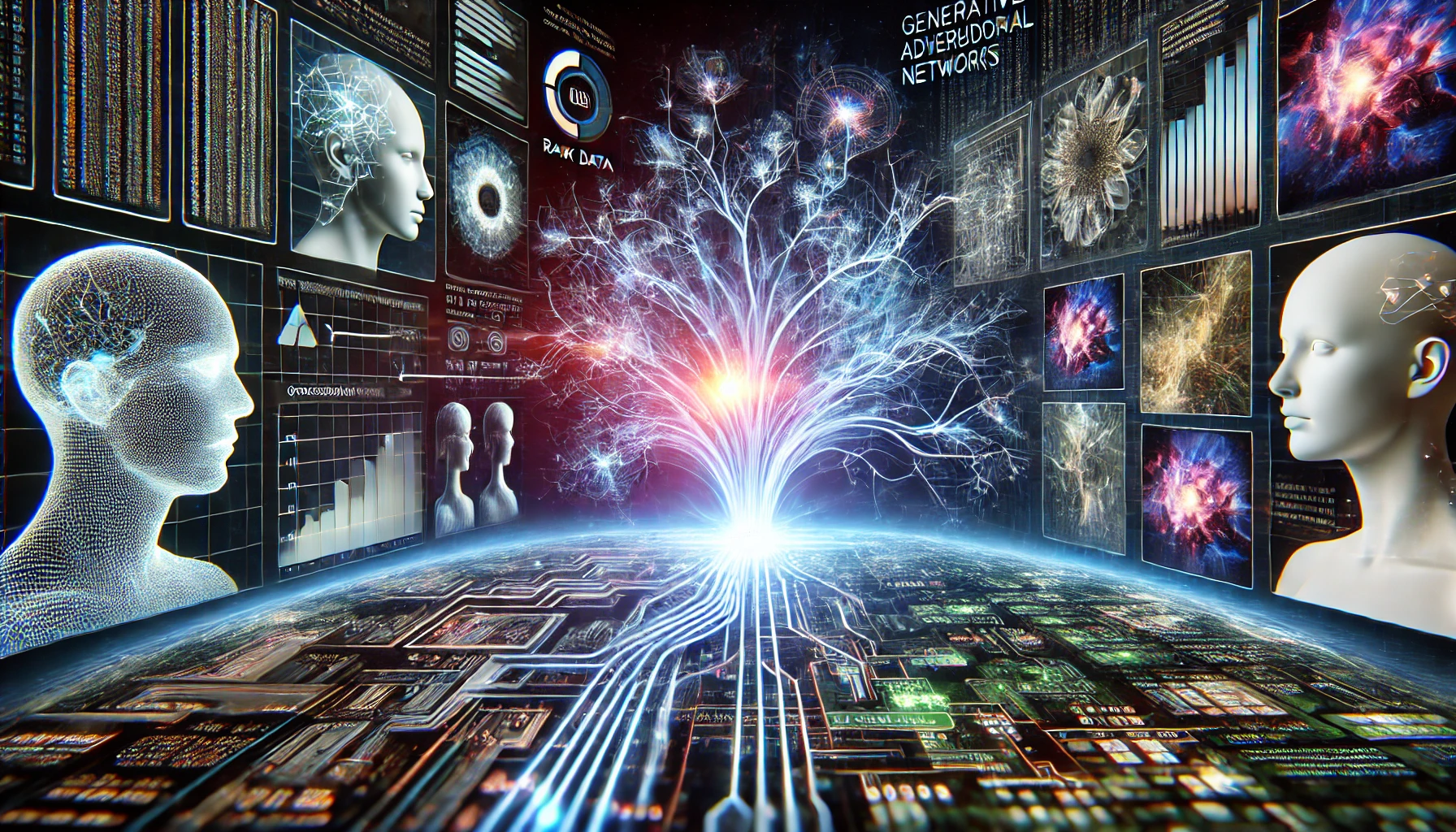
At the core of GANs lies a unique architecture that consists of two neural networks: the generator and the discriminator. The generator’s role is to create new data instances, while the discriminator evaluates them against real data. This adversarial process fosters a competitive environment where the generator strives to produce data that is indistinguishable from real data, and the discriminator learns to better identify the difference between the two.
The beauty of GANs lies in their ability to learn from vast amounts of data without requiring explicit programming. By simply feeding the network examples of real data, GANs can generate new instances that mimic the characteristics of the training set. This self-improving mechanism is what makes GANs so powerful and versatile.
The Impact of GANs on Synthetic Media
Synthetic media has gained traction in recent years, with GANs playing a pivotal role in this evolution. From generating realistic images to creating lifelike video content, GANs have opened new avenues for creativity and innovation. The technology has transformed how artists, filmmakers, and content creators approach their work.
One of the most notable applications of GANs in synthetic media is in image generation. Platforms like DeepArt and Artbreeder leverage GANs to produce stunning visual artworks that blend different styles and themes. These tools allow users to create unique images by simply adjusting parameters, making art more accessible to non-artists. Consequently, GANs democratize the creative process, enabling anyone to become a digital artist.
In the realm of video production, GANs are revolutionizing how we create and manipulate content. For instance, they can be used to generate realistic CGI characters or even to create entirely synthetic actors. This innovation not only cuts down production costs but also opens up new possibilities in storytelling. Imagine a future where filmmakers can create entire films using virtual actors generated by GANs, offering limitless creative potential.
Diverse Real-World Applications of GANs
The applications of GANs extend far beyond the realm of synthetic media. In fact, their versatility has made them invaluable across various sectors. One prominent area of application is in healthcare. GANs are being utilized to enhance medical imaging, allowing for improved diagnosis and treatment planning. By generating high-quality images from low-quality scans, GANs help radiologists identify abnormalities more effectively and accurately.
Additionally, GANs are finding their way into the fashion industry. Designers are using GANs to generate new clothing designs and patterns, streamlining the creative process. By analyzing existing fashion trends, GANs can produce unique styles that resonate with current consumer preferences. This not only speeds up the design process but also helps brands stay ahead in a fast-paced market.
Moreover, GANs have made significant strides in the gaming industry. Game developers are harnessing the power of GANs to create expansive, realistic game environments. By generating textures, landscapes, and even characters, GANs reduce the time and resources needed for game design, allowing developers to focus on storytelling and gameplay mechanics.
In conclusion, GANs represent a transformative technology that is reshaping the landscape of synthetic media and various industries. With their unique ability to generate realistic data, they are not only enhancing creativity but also driving innovation in fields such as healthcare, fashion, and gaming. As GANs continue to evolve, their impact on our daily lives will only grow, making it essential for individuals and businesses to understand and embrace this technology.
As we move forward, the potential applications of GANs will likely expand even further, leading to exciting advancements in artificial intelligence and machine learning. The future is bright for GANs, and their role in shaping the digital landscape is undeniable.