




Unlocking Productivity: Essential Habits and Tools for Achieving Your Goals Efficiently
In today’s fast-paced business environment, achieving goals efficiently is more critical than ever. The rise of artificial intelligence (AI) has transformed the landscape of productivity, offering innovative solutions that streamline operations, enhance decision-making, and foster collaboration. This article explores how AI is increasing productivity in business, delving into its applications, benefits, and the essential habits that can help organizations leverage these technologies effectively.
The Role of AI in Streamlining Processes
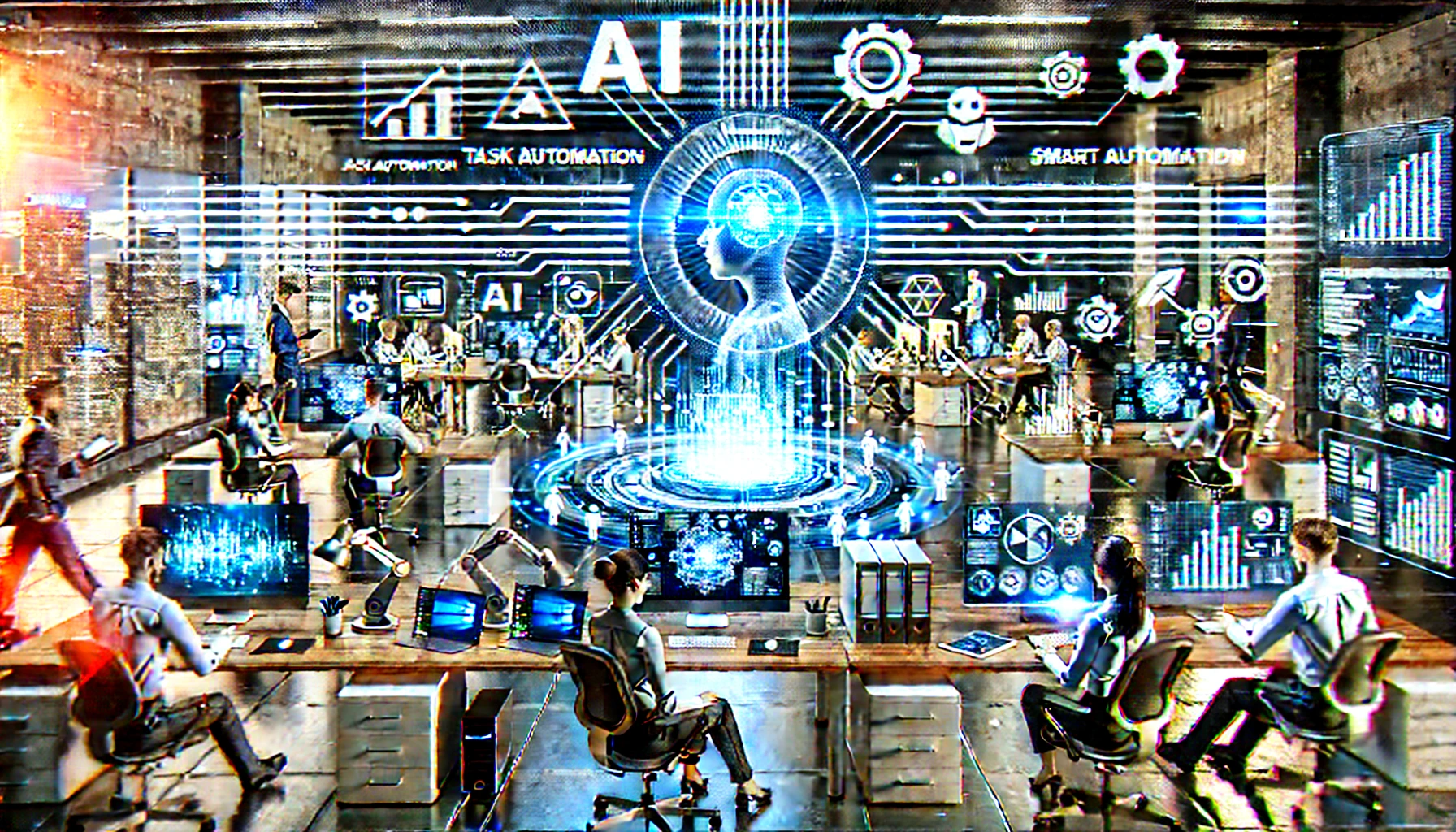
Artificial intelligence has revolutionized the way businesses operate by automating repetitive tasks that once consumed valuable time. By employing machine learning algorithms and natural language processing, companies can automate data entry, customer service inquiries, and even complex analysis. For instance, chatbots powered by AI can handle customer queries 24/7, ensuring that human resources are allocated to more strategic tasks. This not only enhances customer satisfaction but also frees up employees to focus on higher-value activities.
Moreover, AI tools can analyze vast amounts of data in real time, providing insights that were previously difficult to obtain. Businesses can identify trends, forecast demand, and optimize supply chains with unprecedented accuracy. Predictive analytics, driven by AI, enables organizations to make data-informed decisions, reducing the time spent on guesswork and enhancing overall operational efficiency. As a result, companies can respond to market changes more rapidly, positioning themselves as agile players in their respective industries.
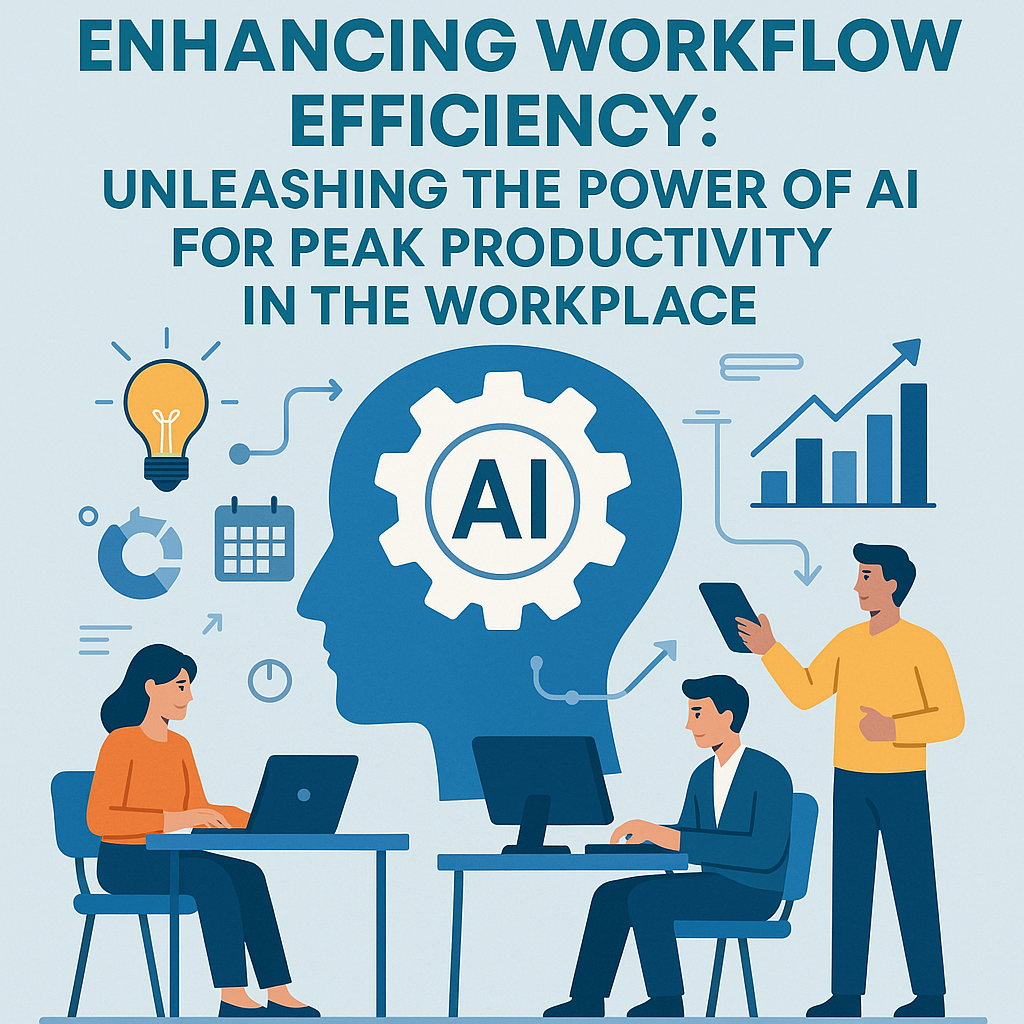
Another significant advantage of AI is its ability to support project management through intelligent scheduling and resource allocation. AI-driven project management tools can assess team workloads, prioritize tasks, and even predict project completion times based on historical data. This level of insight allows managers to allocate resources more effectively, ensuring that projects are completed on time and within budget. In essence, AI acts as a powerful ally in optimizing workflows and maximizing productivity.
Enhancing Collaboration and Communication
In addition to streamlining processes, AI plays a pivotal role in enhancing collaboration and communication within organizations. Collaborative tools integrated with AI capabilities facilitate seamless interaction among team members, regardless of their geographical locations. Virtual meeting platforms equipped with AI features can provide real-time transcription, language translation, and even sentiment analysis, ensuring that all participants are on the same page and that discussions are productive.
Furthermore, AI can analyze communication patterns within teams to identify bottlenecks and areas for improvement. By assessing how information flows and where misunderstandings occur, organizations can implement targeted strategies to enhance collaboration. For example, AI can suggest optimal communication channels for specific types of messages, ensuring that teams communicate effectively and efficiently.
Interestingly, AI also fosters a culture of knowledge sharing by curating and recommending relevant content to employees. Machine learning algorithms can analyze individual preferences and work habits, delivering personalized resources and training materials. This not only empowers employees to grow their skills but also encourages a collaborative environment where knowledge is shared freely. Ultimately, AI-driven collaboration tools can significantly reduce silos within organizations, leading to increased innovation and productivity.
Building Essential Habits for AI Integration
While AI offers remarkable tools for enhancing productivity, the successful integration of these technologies requires organizations to cultivate essential habits. Firstly, fostering a culture of continuous learning is vital. Employees should be encouraged to stay informed about AI advancements and how they can be applied within their roles. Companies can facilitate this by providing training sessions, workshops, and access to online courses focused on AI and its applications in business.
Additionally, organizations must prioritize open communication about AI initiatives. Transparency regarding how AI tools will impact workflows and job roles can alleviate employee concerns and resistance to change. Regular updates and feedback sessions can help employees feel more comfortable with new technologies, leading to smoother transitions and greater acceptance of AI solutions.
Moreover, promoting a mindset of experimentation is crucial for maximizing the benefits of AI. Businesses should encourage teams to test new tools and strategies without fear of failure. By adopting an agile approach, organizations can iterate on their processes, learning from both successes and setbacks. This willingness to experiment not only enhances productivity but also fosters innovation, as employees feel empowered to explore creative solutions.
In conclusion, the integration of artificial intelligence into business operations is a game-changer for productivity. By streamlining processes, enhancing collaboration, and cultivating essential habits, organizations can leverage AI to achieve their goals efficiently. As AI technology continues to evolve, businesses must remain adaptable and proactive in embracing these advancements, ensuring they stay ahead in an increasingly competitive landscape. Ultimately, the key to unlocking productivity lies in the harmonious blend of human ingenuity and AI capabilities, paving the way for a future where efficiency and innovation go hand in hand.