


Navigating the AI Frontier: Key Technologies Transforming Industries and Everyday Experiences
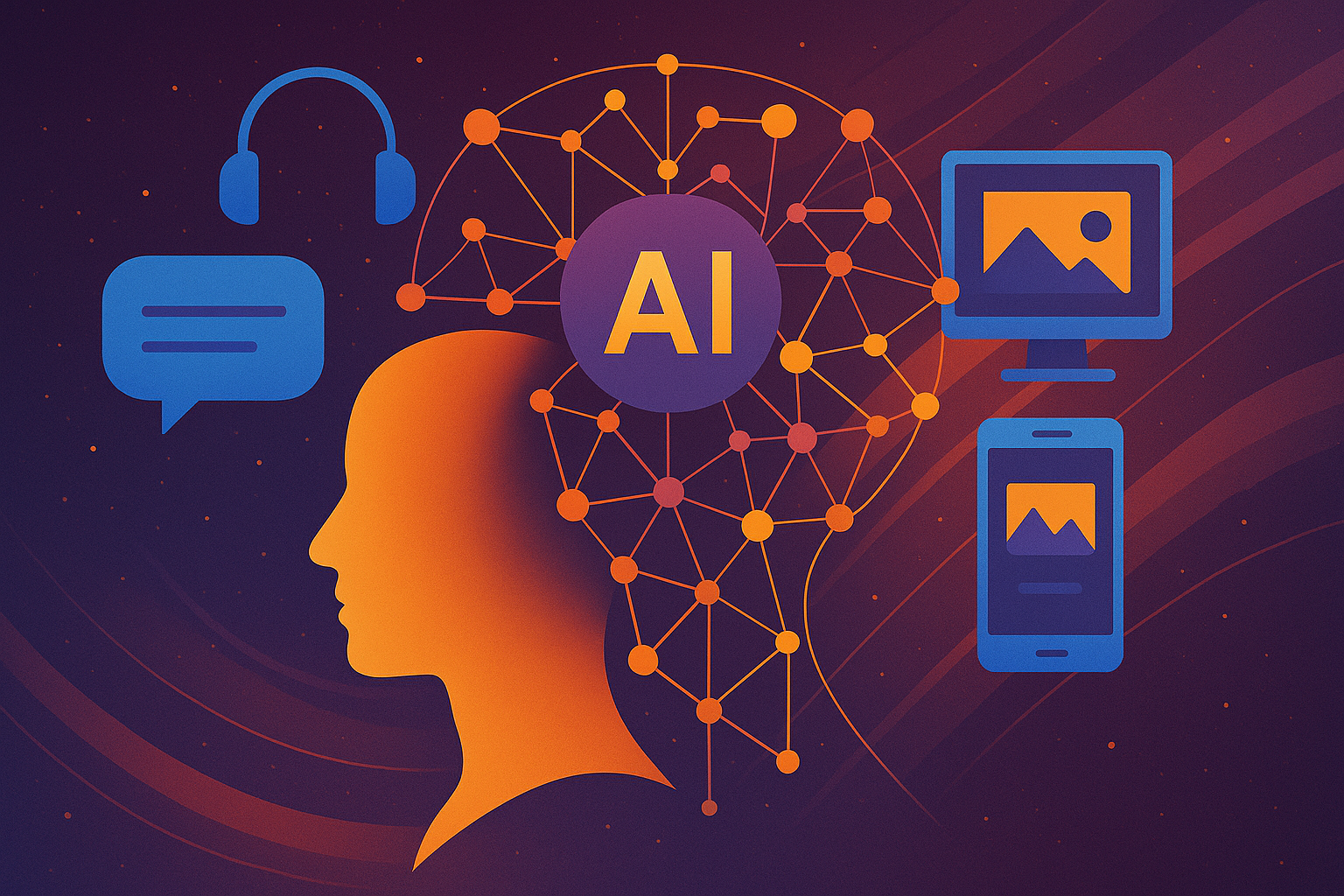
Artificial Intelligence (AI) is not merely a buzzword; it represents a transformative force reshaping industries and enhancing everyday experiences. As organizations and individuals increasingly adopt AI technologies, understanding the key components driving this evolution becomes essential. This article delves into the transformative technologies within the AI landscape, exploring their impact on various sectors and daily life.
The Core Technologies of AI
At the heart of AI’s evolution lies a suite of core technologies that enable machines to mimic human intelligence. Machine Learning (ML) stands out as one of the most significant advancements, allowing systems to learn from data and improve over time without explicit programming. By leveraging algorithms that can analyze vast datasets, ML empowers applications ranging from predictive analytics to personalized recommendations.
Deep Learning, a subset of ML, employs neural networks to process information in a manner analogous to human thought. This technology has driven breakthroughs in image and speech recognition, enabling applications such as facial recognition in security systems and voice-activated assistants in consumer electronics. With the ability to learn from unstructured data, deep learning is redefining how machines perceive and interact with the world.
Natural Language Processing (NLP) is another cornerstone of AI technology. By enabling machines to understand and generate human language, NLP has revolutionized communication between humans and machines. Applications such as chatbots, virtual assistants, and sentiment analysis tools leverage NLP to enhance customer service and provide insights into consumer behavior. As NLP continues to evolve, its integration into various platforms is becoming increasingly seamless, enhancing user experience across the board.
Transforming Industries: Healthcare and Finance
In the healthcare sector, AI technologies are making significant strides in improving patient outcomes and operational efficiency. Predictive analytics, powered by machine learning algorithms, can analyze patient data to forecast health trends and identify at-risk individuals. This proactive approach allows healthcare providers to intervene early, potentially saving lives and reducing costs.
Moreover, AI-driven diagnostic tools are transforming how medical professionals interpret imaging data. For instance, algorithms can analyze X-rays, MRIs, and CT scans with remarkable accuracy, assisting radiologists in identifying anomalies that may be missed by the human eye. Consequently, the integration of AI in diagnostics not only enhances accuracy but also expedites the decision-making process, ultimately benefiting patient care.
The finance industry is also experiencing a seismic shift due to AI technologies. Automated trading systems, powered by machine learning, analyze market trends and execute trades at speeds unimaginable for human traders. This capability allows financial institutions to capitalize on fleeting market opportunities while minimizing risk. Furthermore, AI-driven fraud detection systems are becoming increasingly sophisticated, utilizing pattern recognition to identify suspicious activities in real-time and protect consumers’ financial assets.
Enhancing Everyday Experiences: Smart Homes and Personal Assistants
Beyond industry applications, AI is significantly enhancing everyday experiences through smart home technology and personal assistants. Home automation systems, equipped with AI, allow users to control lighting, heating, and security systems remotely. As these systems learn user preferences over time, they create a personalized living environment that optimizes comfort and energy efficiency.
Voice-activated personal assistants, such as Amazon’s Alexa and Google Assistant, have become ubiquitous in households. These AI-driven tools not only facilitate everyday tasks—like setting reminders and playing music—but also integrate with smart home devices to create a cohesive ecosystem. The convenience of voice commands enhances user experience, making technology more accessible to individuals of all ages.
Moreover, AI is reshaping the way consumers interact with brands. Personalized marketing strategies, fueled by data analytics, enable businesses to tailor their offerings based on individual preferences and behaviors. This level of customization fosters a deeper connection between consumers and brands, ultimately driving customer loyalty and satisfaction.
Conclusion: The Future of AI
As we navigate the AI frontier, the implications of these technologies are profound. Industries are undergoing transformation, with AI driving efficiencies and innovations that were once considered unattainable. The integration of AI into everyday experiences is not just a novelty; it is rapidly becoming a necessity, enhancing our lives in ways that were previously unimaginable.
Looking ahead, the potential of AI is vast. Ethical considerations surrounding AI deployment, such as data privacy and algorithmic bias, must be addressed to ensure that these technologies benefit society as a whole. Collaboration between technologists, policymakers, and industry leaders will be crucial in shaping a future where AI serves as a force for good.
In summary, understanding the key technologies driving AI’s advancement is essential for harnessing its potential. From healthcare to finance and everyday living, AI is not only transforming industries but also enriching our daily experiences. As we continue to explore this dynamic frontier, the possibilities are limited only by our imagination and commitment to responsible innovation.