The Evolution of AI Art: How Machine Learning is Transforming Visual Expression and Design
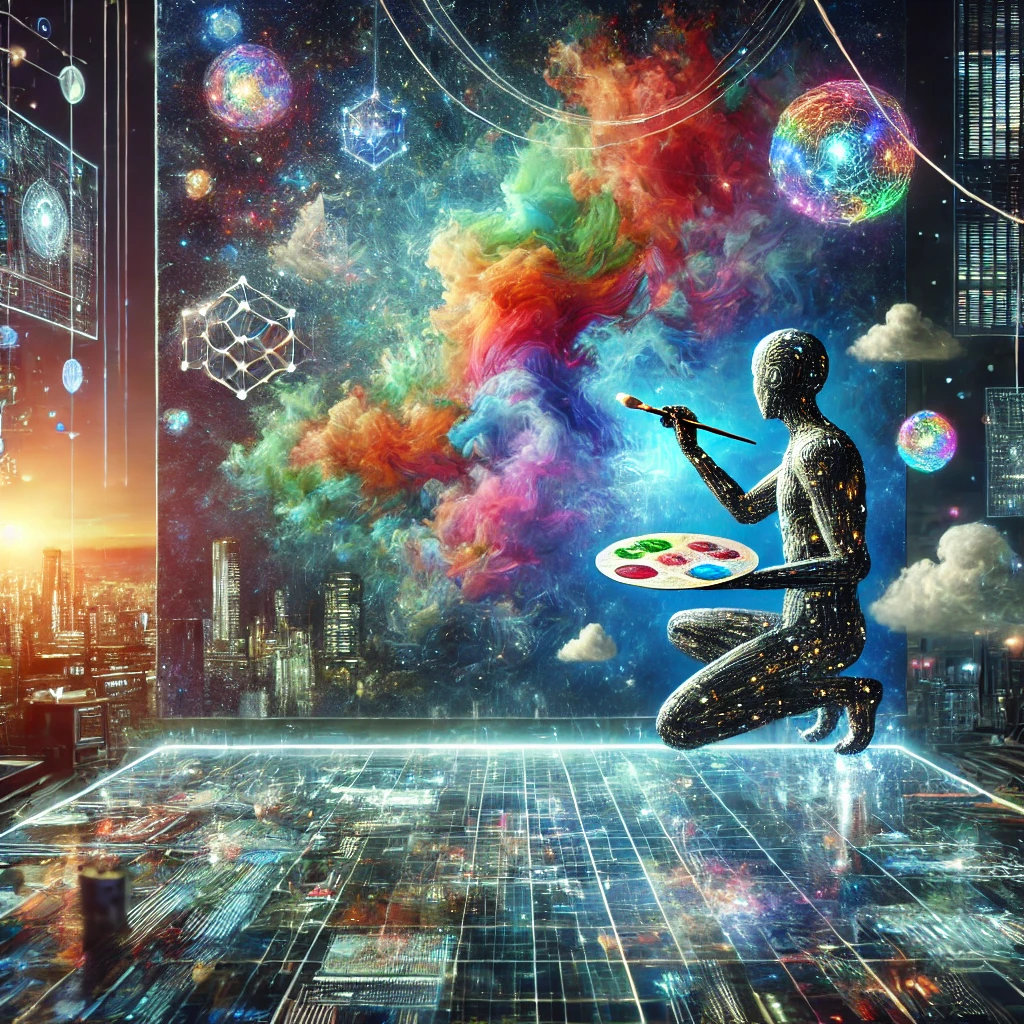
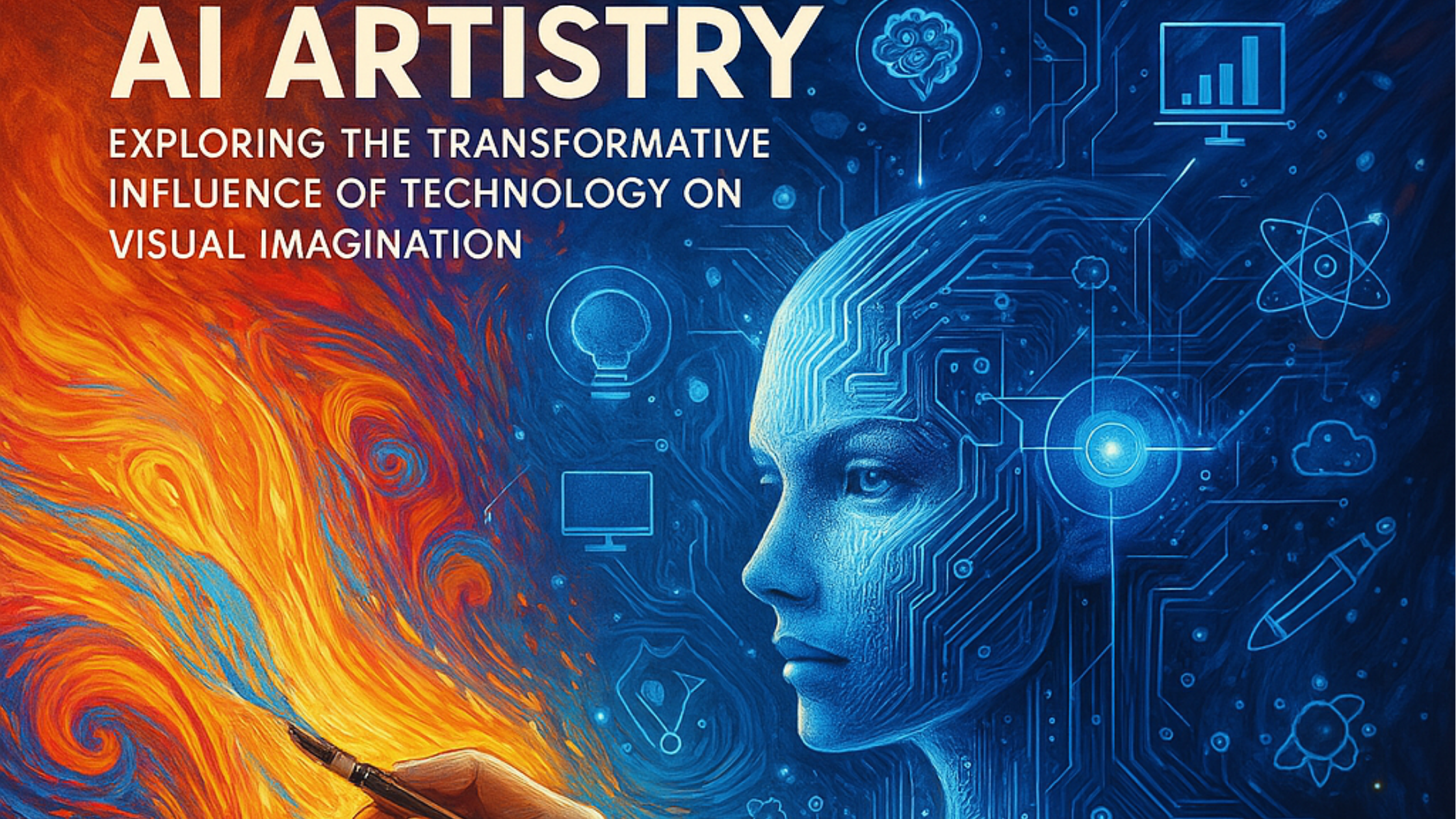
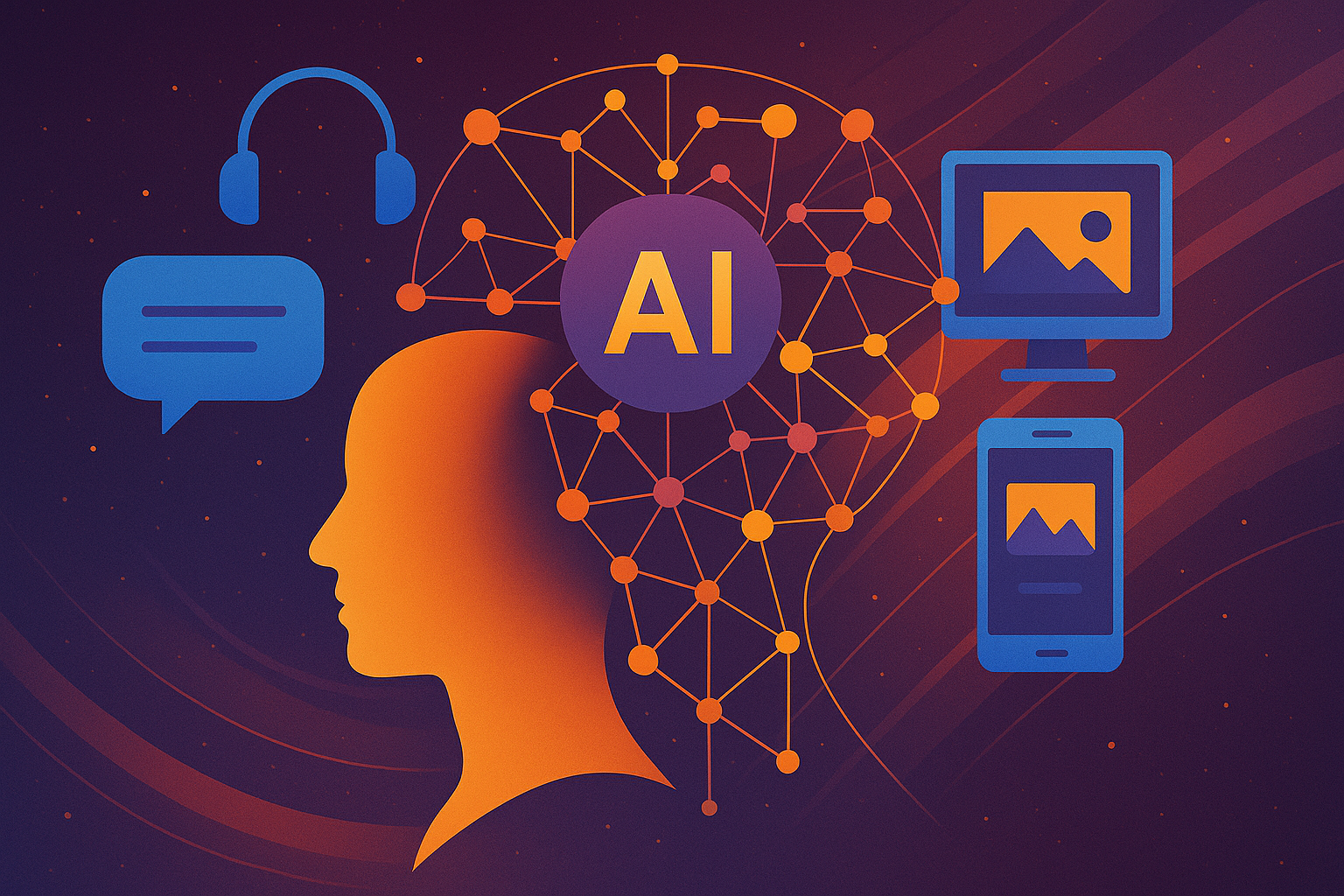
The intersection of technology and creativity has long been a fertile ground for innovation, but the advent of artificial intelligence (AI) has revolutionized the landscape of visual expression and design. Machine learning, a subset of AI, has emerged as a powerful tool for artists, designers, and creators, enabling them to push the boundaries of traditional art forms. This article explores the evolution of AI art, examining its origins, current applications, and future implications for the creative industry.
The Origins of AI Art: A Historical Perspective
To understand the current state of AI art, it is essential to look back at its origins. The journey began in the 1960s when computer scientists first experimented with algorithms that could generate visual art. Early pioneers like Frieder Nake and Harold Cohen developed programs that could create drawings and paintings, laying the groundwork for the future of machine-generated art. These initial efforts were rudimentary, relying on simple mathematical formulas and rules to produce images.
As technology advanced, so too did the complexity of AI-generated art. The introduction of neural networks in the 1980s marked a significant turning point. These networks, inspired by the human brain, allowed for more sophisticated pattern recognition and image generation. By the early 2000s, artists began to harness the power of generative adversarial networks (GANs), a breakthrough in machine learning that enabled two neural networks to compete against each other, resulting in the creation of increasingly realistic and intricate artworks.
In recent years, the rise of deep learning has further propelled the evolution of AI art. With access to vast amounts of data and improved computational power, artists and technologists are now able to create artworks that blur the line between human and machine creativity. This historical trajectory highlights the transformative potential of AI in the realm of visual expression, setting the stage for its current and future applications.
Current Applications: AI in the Creative Process
Today, AI art is not merely an academic curiosity but a thriving field that encompasses various applications across the creative industry. Artists are increasingly integrating machine learning algorithms into their workflows, allowing for new forms of collaboration between human creativity and machine intelligence. One notable example is the use of AI-driven tools like DeepArt and ArtBreeder, which enable users to generate unique artworks by manipulating existing images or styles.
In the realm of design, AI has become an invaluable asset for graphic designers and marketers. Tools such as Adobe’s Sensei leverage machine learning to automate repetitive tasks, streamline workflows, and even suggest design elements based on user preferences. This augmentation of human creativity allows designers to focus on higher-level conceptualization while benefiting from the efficiency and precision of AI.
Moreover, AI-generated art has found its way into the commercial sector, with brands and advertisers utilizing machine learning to create compelling visuals that resonate with audiences. The ability to analyze consumer behavior and preferences enables marketers to tailor their campaigns with unprecedented accuracy. As a result, AI art is not only transforming individual artistic practices but also reshaping the landscape of visual communication and branding.
The Future of AI Art: Ethical Considerations and New Frontiers
Looking ahead, the future of AI art presents both exciting possibilities and ethical dilemmas. As machine learning continues to evolve, the question of authorship and originality becomes increasingly complex. Who owns an artwork created by an AI? Is it the programmer, the user who input the parameters, or the AI itself? These questions challenge traditional notions of creativity and intellectual property, prompting a reevaluation of legal frameworks surrounding art and technology.
Additionally, the potential for AI to generate hyper-realistic images raises concerns about authenticity and misinformation. Deepfakes and other AI-generated content can be used maliciously, leading to a growing need for ethical guidelines and regulations within the field. Artists, technologists, and policymakers must collaborate to establish standards that ensure the responsible use of AI in art and design.
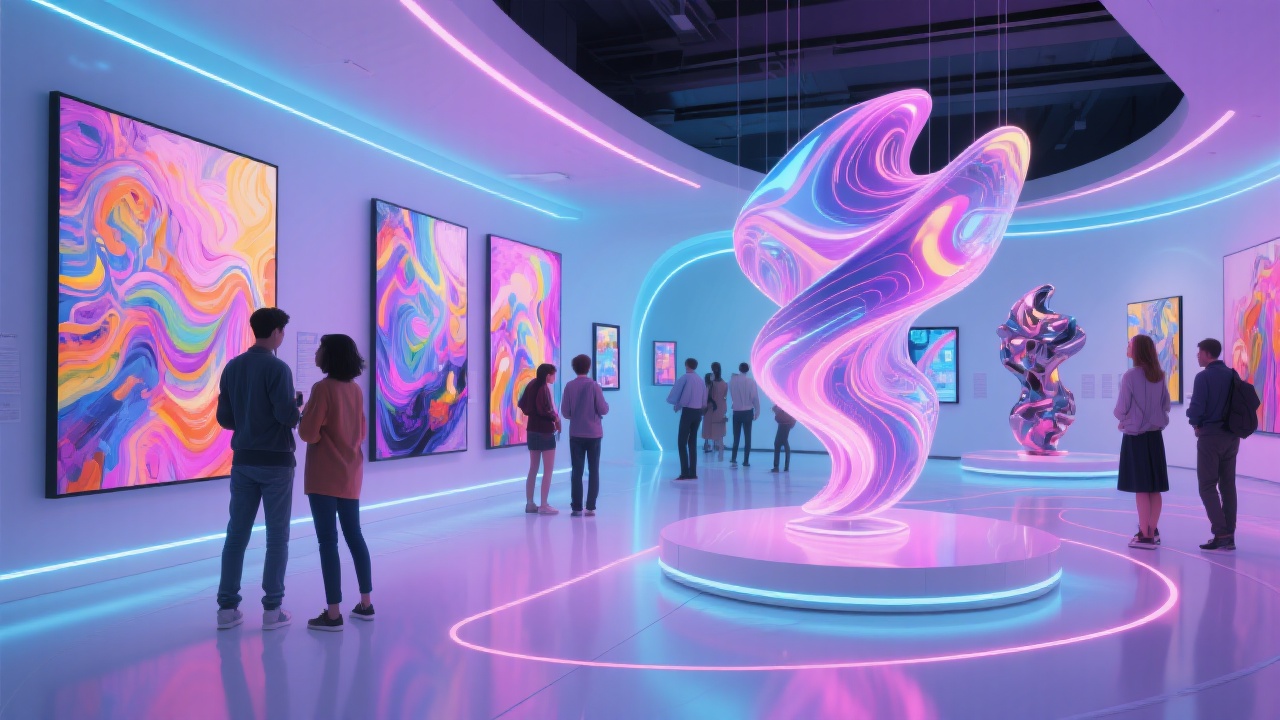
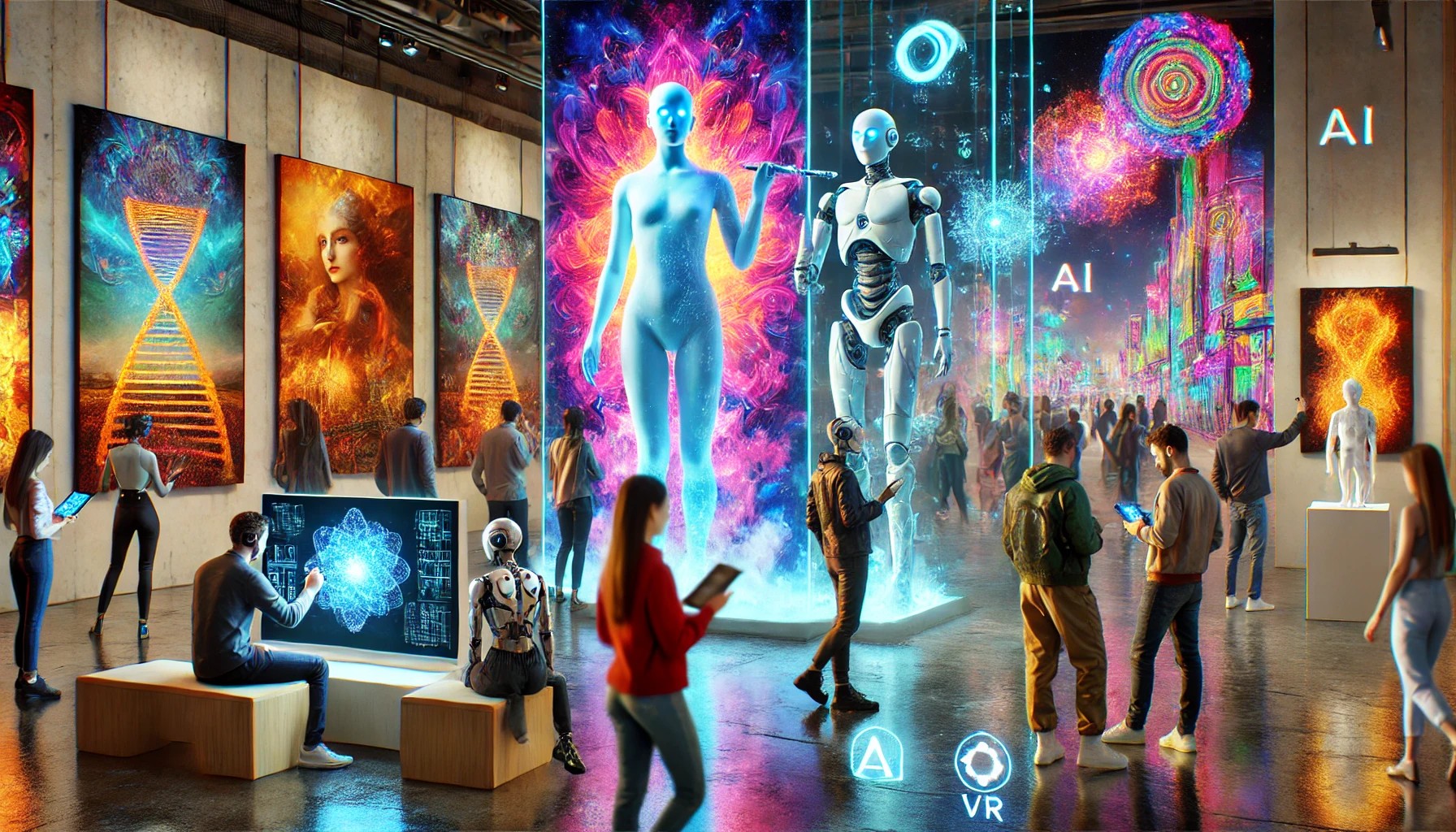
Despite these challenges, the future of AI art is bright. Emerging technologies such as augmented reality (AR) and virtual reality (VR) are poised to further enhance the creative possibilities of AI. Artists are already experimenting with immersive experiences that blend physical and digital art forms, creating interactive installations that engage audiences in novel ways. As AI continues to advance, it will undoubtedly unlock new frontiers of artistic expression, allowing for unprecedented levels of creativity and innovation.
Conclusion: Embracing the Synergy of Art and Technology
The evolution of AI art represents a significant shift in the way we perceive and create visual expression. From its humble beginnings in the 1960s to its current prominence in the creative industry, machine learning has transformed the artistic landscape, empowering artists and designers to explore new realms of possibility. As we move forward, embracing the synergy of art and technology will be essential for navigating the challenges and opportunities that lie ahead.
Ultimately, the fusion of AI and human creativity holds the potential to enrich our understanding of art and design, fostering a collaborative environment where both can thrive. By acknowledging the complexities of authorship, ethics, and authenticity, we can ensure that the evolution of AI art continues to inspire and challenge our perceptions of creativity in the digital age. As we stand on the precipice of this exciting frontier, it is clear that the journey of AI art is just beginning, and its impact on visual expression will be profound and lasting.