AI Artistry Unleashed: Discovering the Intersection of Technology and Imagination in Visual Creation
The evolution of artificial intelligence (AI) has transformed numerous fields, with artistry being one of the most intriguing areas of exploration. As technology advances, the boundaries of creativity are being redefined, leading to a fascinating intersection of technology and imagination. This article delves into the various dimensions of AI artistry, examining its implications, capabilities, and the philosophical questions it raises about the nature of creativity.
The Rise of AI in Visual Arts
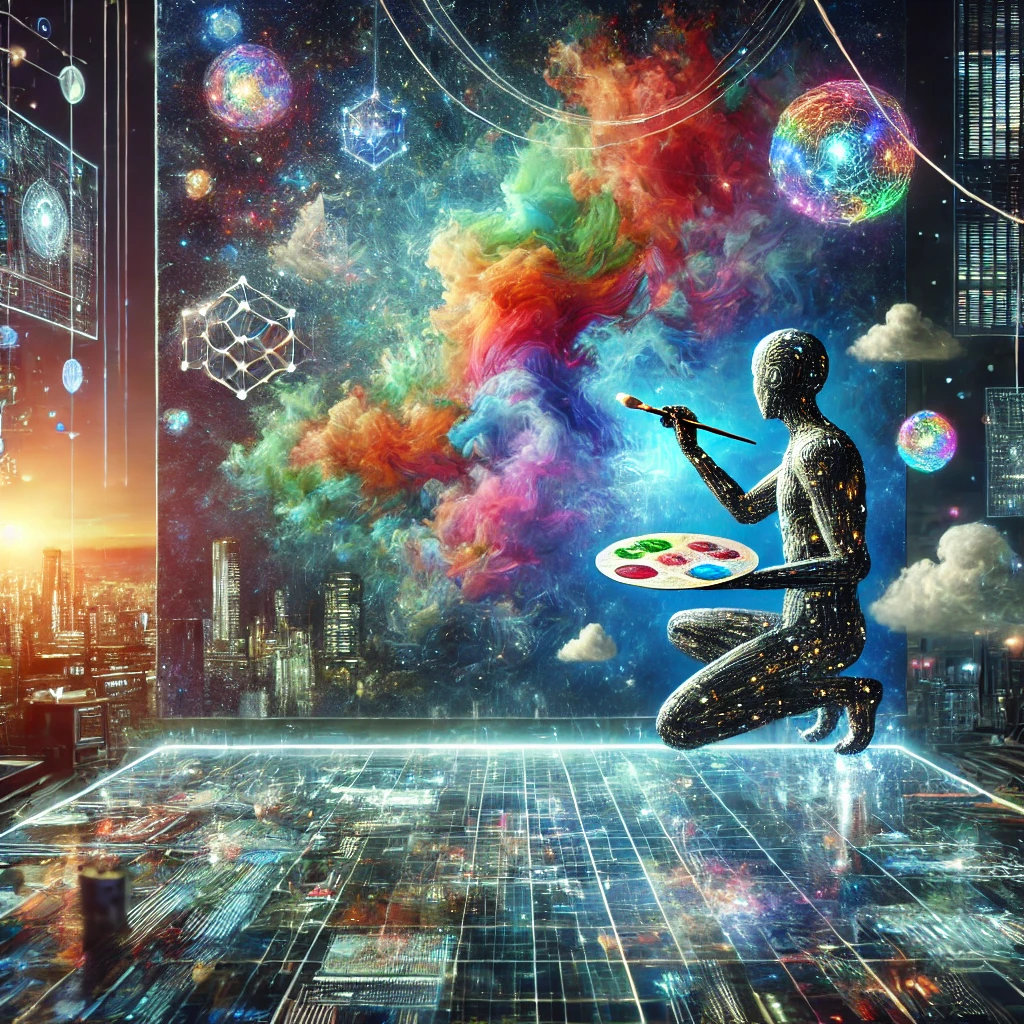
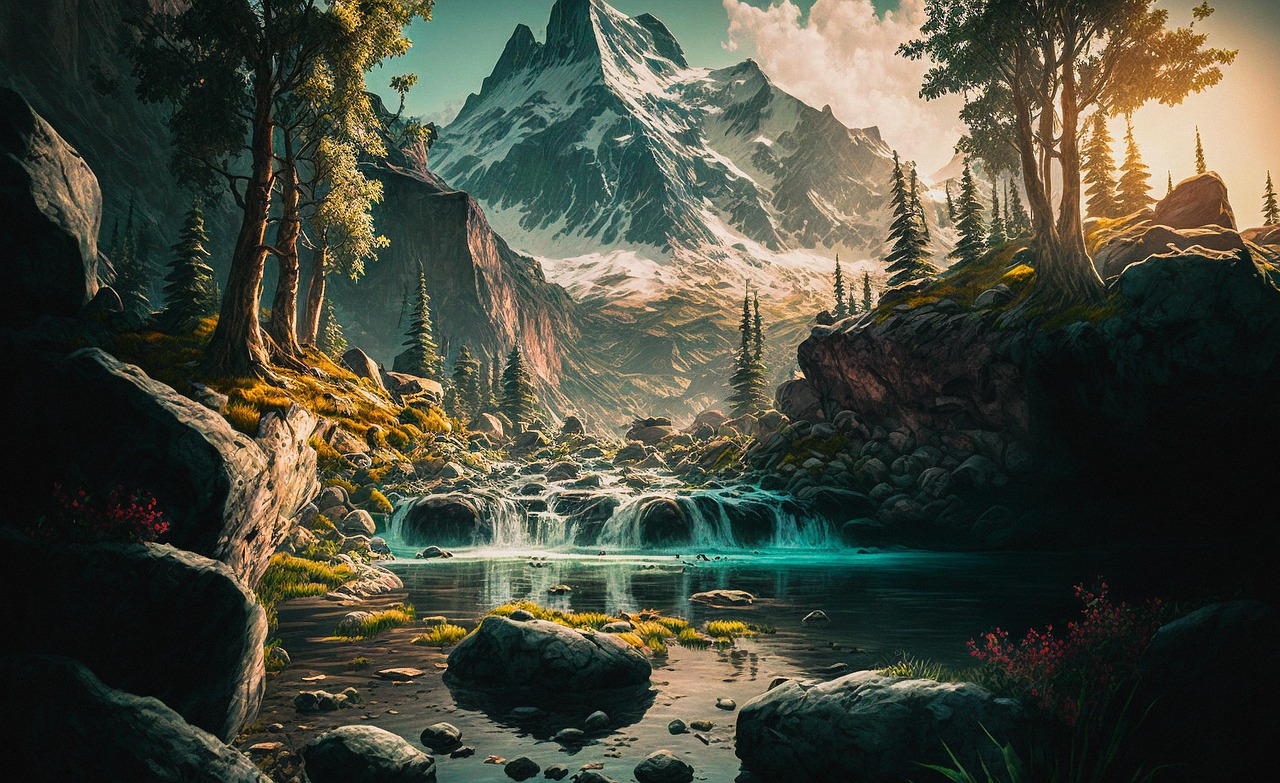
Emerging technologies have consistently influenced artistic expression throughout history. With the advent of AI, a new chapter in visual creation has begun to unfold. AI algorithms are now capable of generating stunning visual artworks that rival those created by human artists. These systems, often powered by deep learning techniques, analyze vast datasets of existing artworks to understand styles, techniques, and themes.
In recent years, platforms such as DALL-E and Midjourney have gained popularity, enabling users to generate images based on textual descriptions. This capability not only democratizes art creation but also challenges traditional notions of authorship and originality. Artists and technologists alike are experimenting with these tools, leading to a burgeoning community that embraces the collaboration between human creativity and machine intelligence.
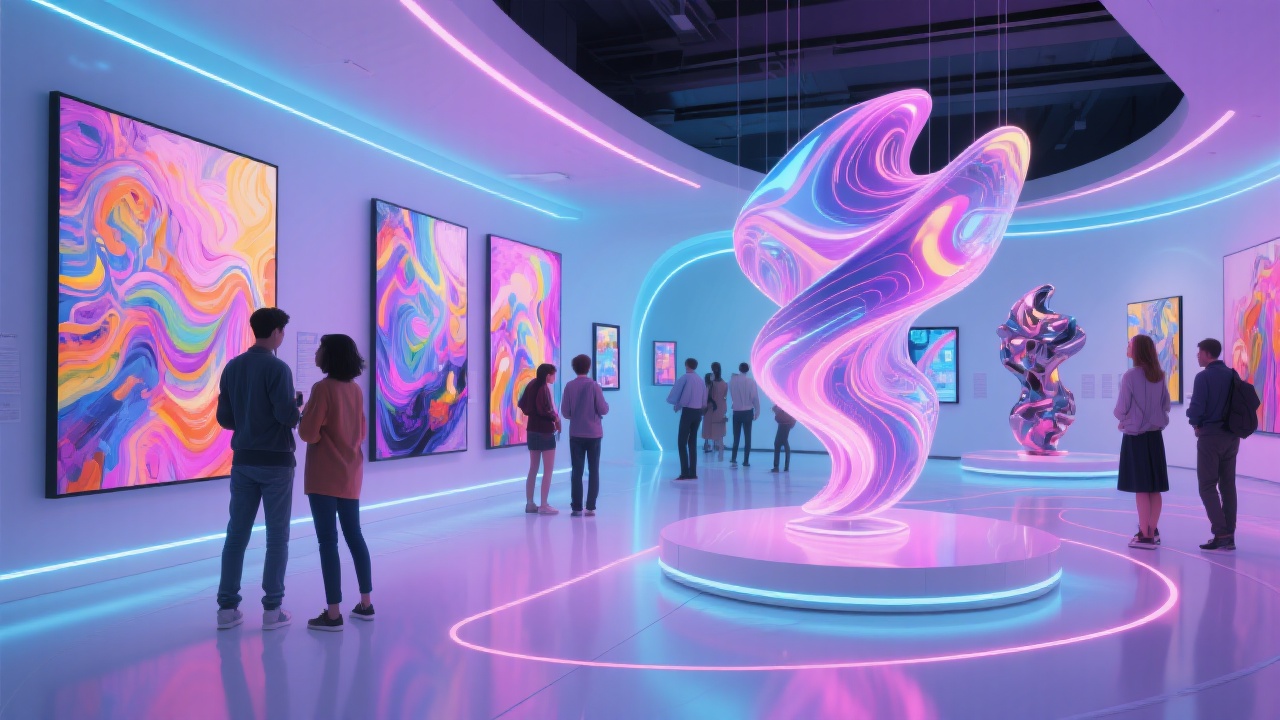
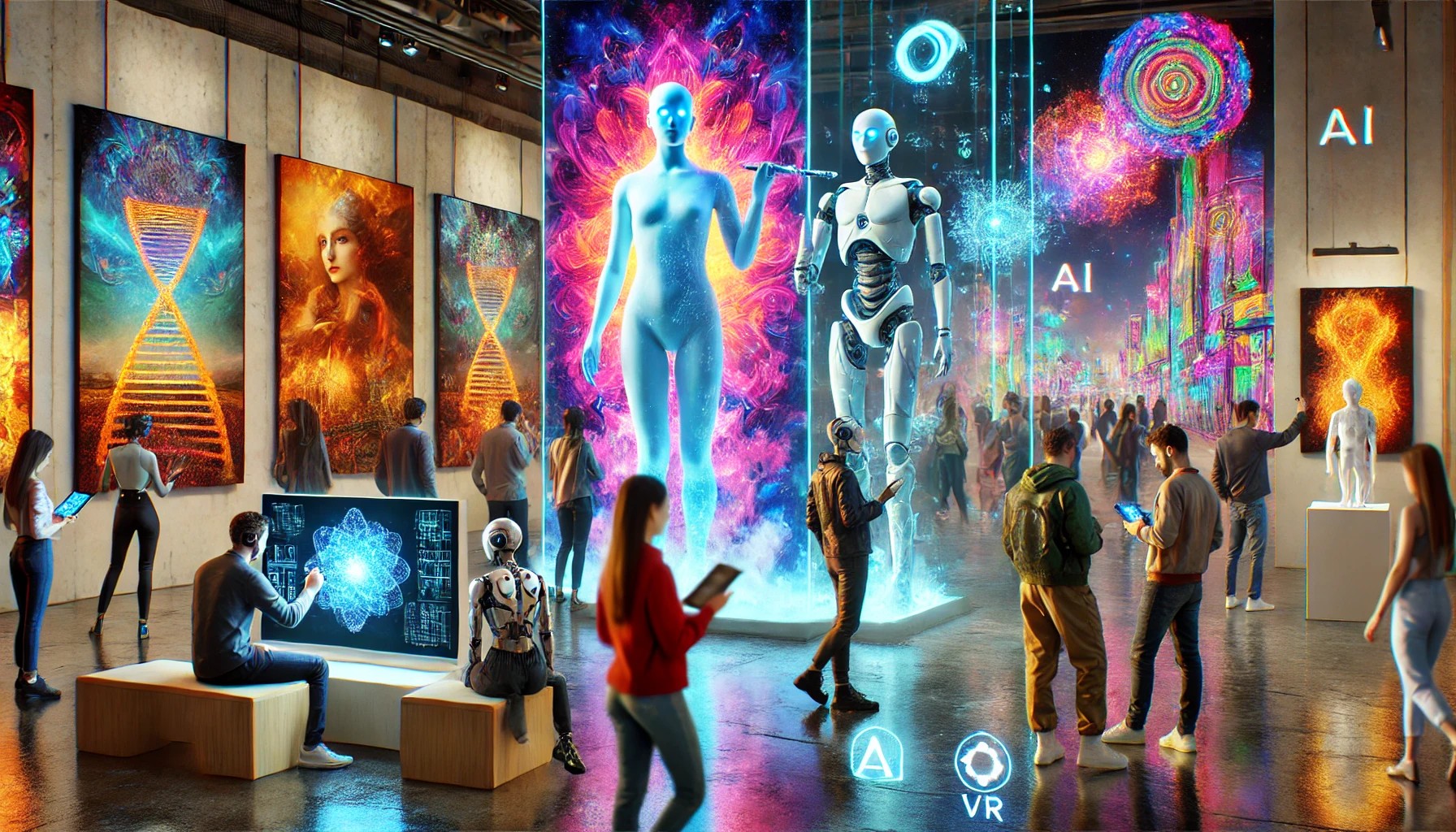
Furthermore, the integration of AI in visual arts is not limited to mere image generation. Artists are utilizing AI to create interactive installations, generative art, and even augmented reality experiences. By leveraging AI’s ability to process and analyze data, artists can explore new dimensions of creativity that were previously unimaginable. This fusion of technology and imagination is reshaping the landscape of contemporary art, prompting both excitement and debate within the art community.
The Creative Process: Collaboration Between Humans and Machines
What sets AI artistry apart is the collaborative nature of the creative process. Unlike traditional art forms, where the artist’s vision is executed solely through their skill and intuition, AI tools act as partners in the creative journey. Artists can input parameters, styles, and themes into AI systems, which then generate a plethora of potential artworks. This partnership allows for a dynamic interplay between human intuition and machine-generated possibilities.
Many artists have embraced this collaborative approach, finding inspiration in the unexpected outputs generated by AI. For instance, a painter might use AI to create a series of abstract compositions, which they then refine and adapt through their own artistic lens. This iterative process not only enhances the artist’s creative repertoire but also challenges them to rethink their artistic practices. The result is a hybrid form of art that blends human sensibility with algorithmic innovation.
Critics, however, raise valid concerns regarding the implications of this collaboration. Questions about authenticity and the value of human touch in art arise as AI-generated pieces gain prominence in galleries and auction houses. Some argue that the emotional depth and personal experiences that inform human-created art cannot be replicated by machines. This ongoing discourse invites us to reconsider our definitions of creativity and artistic merit in an age where machines increasingly participate in the creative process.
Ethical Considerations and the Future of AI Artistry
As AI continues to permeate the world of visual arts, ethical considerations become paramount. The question of authorship is perhaps the most contentious issue, as it challenges the very foundation of artistic creation. When an AI generates an artwork based on existing styles and techniques, who holds the rights to that creation? Is it the programmer, the user, or the AI itself? Legal frameworks are struggling to keep pace with these developments, prompting calls for clearer guidelines and regulations in the art world.
Moreover, the potential for AI to perpetuate biases present in its training data raises ethical concerns about representation and diversity in art. If AI systems are trained predominantly on works from a specific demographic, the resulting artworks may reflect a narrow perspective, sidelining underrepresented voices. Artists and technologists must remain vigilant in addressing these biases to ensure that AI-generated art reflects a broader spectrum of human experience and creativity.
Looking ahead, the future of AI artistry appears promising yet complex. As technology continues to advance, we can expect even more sophisticated AI systems capable of generating art that challenges our traditional notions of beauty and creativity. Collaborative projects between artists and AI will likely become more commonplace, leading to innovative forms of expression that transcend the boundaries of human imagination.
In conclusion, the intersection of technology and imagination in visual creation has ushered in a new era of artistry. AI has become a powerful tool that not only enhances the creative process but also raises profound questions about the nature of art itself. As we navigate this evolving landscape, it is essential to engage in thoughtful discussions about the implications of AI in the arts, ensuring that the dialogue remains inclusive and reflective of diverse perspectives. The journey of AI artistry is just beginning, and its potential to reshape our understanding of creativity is both exciting and daunting.