

The Future of AI: Pioneering Innovations That Will Reshape Industries and Everyday Life
Artificial Intelligence (AI) has evolved from a theoretical concept into a transformative force that is reshaping industries and everyday life. As we look to the future, it becomes increasingly clear that AI will not only enhance existing processes but also create entirely new paradigms for how we work, communicate, and interact with technology. This article delves into the expected innovations in AI and their implications across various sectors, as well as the influence they will have on our daily lives.
Revolutionizing Industries: AI in Business and Manufacturing
One of the most significant areas where AI is poised to make a substantial impact is in business and manufacturing. Automation has already begun to streamline operations, but the next wave of AI innovations will take this a step further. Predictive analytics, powered by machine learning algorithms, will enable companies to anticipate market trends and consumer behaviors with remarkable accuracy. For instance, businesses will increasingly rely on AI to analyze vast amounts of data, allowing them to optimize supply chains, reduce costs, and improve customer satisfaction.
In the manufacturing sector, AI-driven robotics are set to redefine production lines. Unlike traditional automation, which often requires extensive programming and rigid workflows, AI-enabled robots will possess the capability to learn and adapt to changing circumstances in real-time. This adaptability will not only enhance efficiency but also facilitate the production of customized goods at scale. As a result, manufacturers will be able to respond swiftly to consumer demands, reducing lead times and inventory costs.
Moreover, AI will play a crucial role in quality control. Advanced computer vision systems can detect defects in products with greater precision than human inspectors. By integrating these systems into the manufacturing process, companies can ensure higher product quality while minimizing waste. The combination of these innovations will create a more agile and efficient manufacturing environment, ultimately leading to increased competitiveness in the global market.
Transforming Healthcare: AI’s Role in Patient Care and Research
The healthcare industry is another domain where AI holds immense promise. With the advent of machine learning and natural language processing, healthcare professionals can access and analyze patient data more effectively than ever before. By leveraging AI, clinicians will be able to make more accurate diagnoses and develop personalized treatment plans tailored to individual patients’ needs. For example, AI algorithms can analyze medical imaging data to identify early signs of diseases, such as cancer, that may be missed by the human eye.
In addition to improving diagnostic accuracy, AI will also enhance patient engagement and monitoring. Wearable devices equipped with AI technology will continuously track vital signs and provide real-time feedback to both patients and healthcare providers. This capability will empower patients to take an active role in managing their health while enabling healthcare professionals to intervene promptly when necessary. Consequently, the overall quality of care will improve, leading to better health outcomes and reduced healthcare costs.
Research in the pharmaceutical industry is also set to benefit from AI advancements. Drug discovery, traditionally a lengthy and costly process, will be accelerated through AI algorithms that can analyze molecular structures and predict their efficacy. By streamlining this process, researchers can bring new medications to market faster, addressing unmet medical needs and improving patient access to innovative treatments. As AI continues to evolve, its integration into healthcare will pave the way for a more efficient and effective system that prioritizes patient well-being.
Enhancing Everyday Life: AI in Personal and Social Contexts
Beyond the realms of industry and healthcare, AI is expected to significantly enhance everyday life. Smart home technology is one area where AI is already making strides, and its future potential is vast. Voice-activated virtual assistants, powered by natural language processing, will become more intuitive, allowing users to interact with their devices seamlessly. These assistants will not only perform tasks but will also learn from user preferences, creating a more personalized experience.
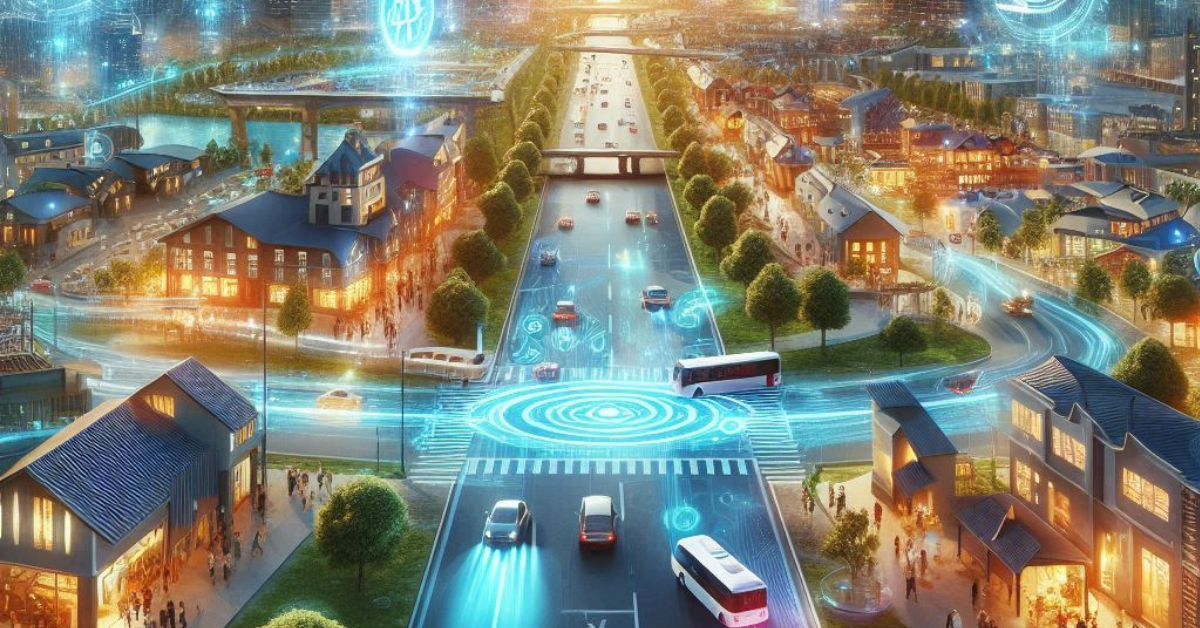
Transportation is another sector on the brink of an AI-driven revolution. Autonomous vehicles have garnered significant attention in recent years, and advancements in AI will further refine their capabilities. As self-driving technology matures, we can expect a future where commuting becomes safer and more efficient. Traffic management systems utilizing AI will optimize routes, reducing congestion and minimizing travel times. This shift will not only enhance individual mobility but also contribute to environmental sustainability by lowering carbon emissions.
Social interactions will also be transformed by AI innovations. Enhanced algorithms will enable more meaningful connections through social media platforms by curating content that resonates with users’ interests and values. Furthermore, AI-driven mental health applications will provide support to individuals seeking assistance, offering resources and coping strategies tailored to their unique circumstances. As these technologies become more integrated into our lives, they will foster a sense of community and support, bridging gaps that traditional methods may have overlooked.
Conclusion: Embracing the AI-Driven Future
As we stand on the cusp of an AI-driven future, it is essential to recognize the profound implications these innovations will have across industries and in our daily lives. The potential for AI to revolutionize business operations, enhance healthcare delivery, and enrich personal experiences is immense. However, with these advancements come ethical considerations and challenges that must be addressed.
Collaboration between technologists, policymakers, and society at large will be crucial in ensuring that AI is developed and deployed responsibly. By embracing the opportunities presented by AI while remaining vigilant about its ethical implications, we can navigate this transformative landscape and create a future that benefits all. The journey ahead promises to be one of remarkable innovation, fundamentally reshaping the way we live, work, and interact with the world around us.