The Emergence of AI in the Art World
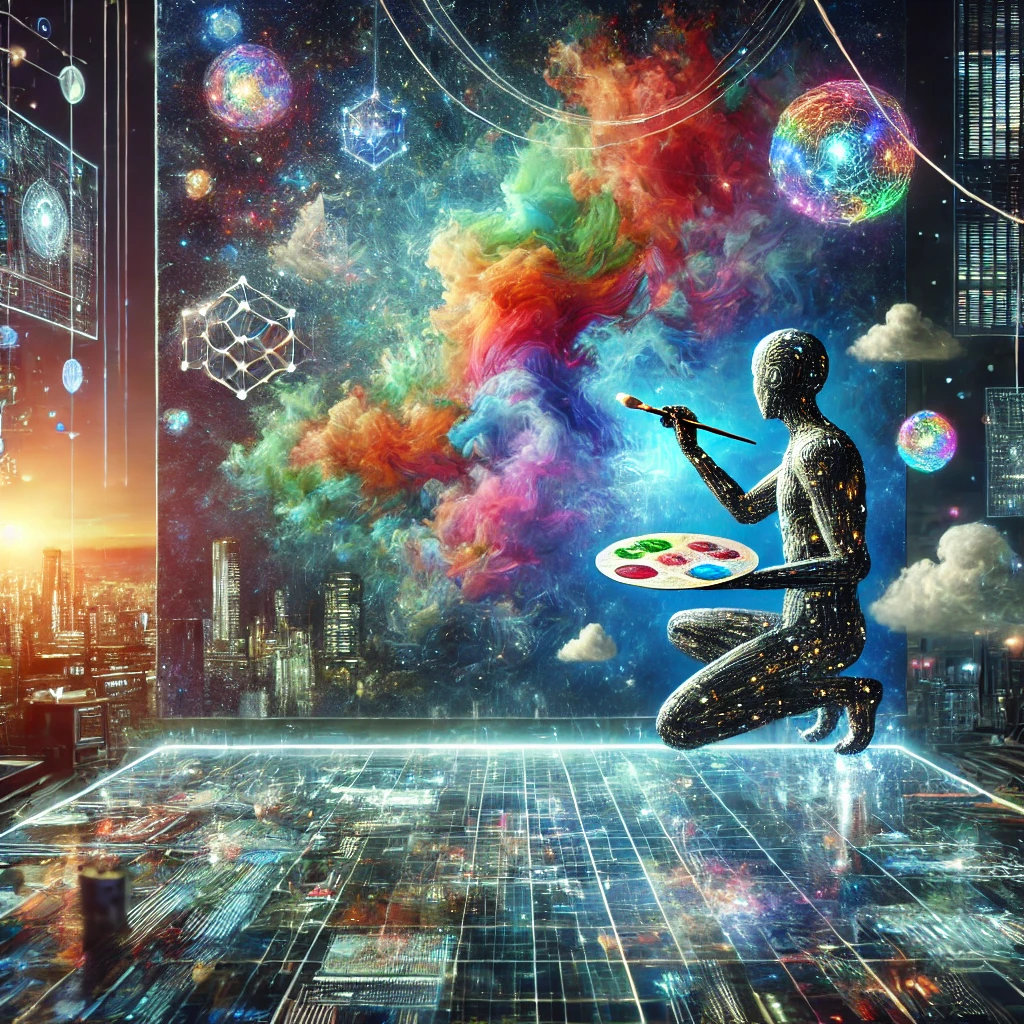
The intersection of technology and creativity has often sparked innovative movements, and artificial intelligence (AI) is no exception. Over the past decade, AI has emerged as a formidable player in the realm of visual arts, pushing boundaries and challenging traditional notions of creativity. This evolution began with the development of algorithms capable of generating images, leading to a radical transformation in how art is conceived, created, and consumed. Artists and technologists are now collaborating to explore the potential of AI, resulting in a new genre that blurs the lines between human and machine-made art.
One of the pivotal moments in this journey occurred with the introduction of Generative Adversarial Networks (GANs) in 2014. GANs operate through a two-part system: a generator that creates images and a discriminator that evaluates them. This dynamic duo allows for the production of visually compelling artwork that often rivals human creativity. As these algorithms became more sophisticated, they started to produce pieces that not only imitate existing styles but also innovate new ones, prompting a reevaluation of what constitutes artistic expression.
The rise of AI art has also been fueled by the accessibility of powerful computing resources and user-friendly software. Platforms such as DeepArt, Artbreeder, and DALL-E have democratized art creation, enabling individuals without formal artistic training to experiment with AI tools. The result is a burgeoning community of creators who are harnessing AI to express their visions, leading to an explosion of diverse styles and interpretations that reflect a wide array of cultural influences.
Redefining Creativity and Authorship
When contemplating the implications of AI-generated art, one must consider the concept of creativity itself. Traditionally, creativity has been viewed as an inherently human trait, rooted in emotion, experience, and intuition. However, as machines increasingly generate artwork, this definition is being challenged. Can algorithms truly be considered creative, or are they merely sophisticated tools that assist human artists? This philosophical debate prompts a reevaluation of authorship in the art world.
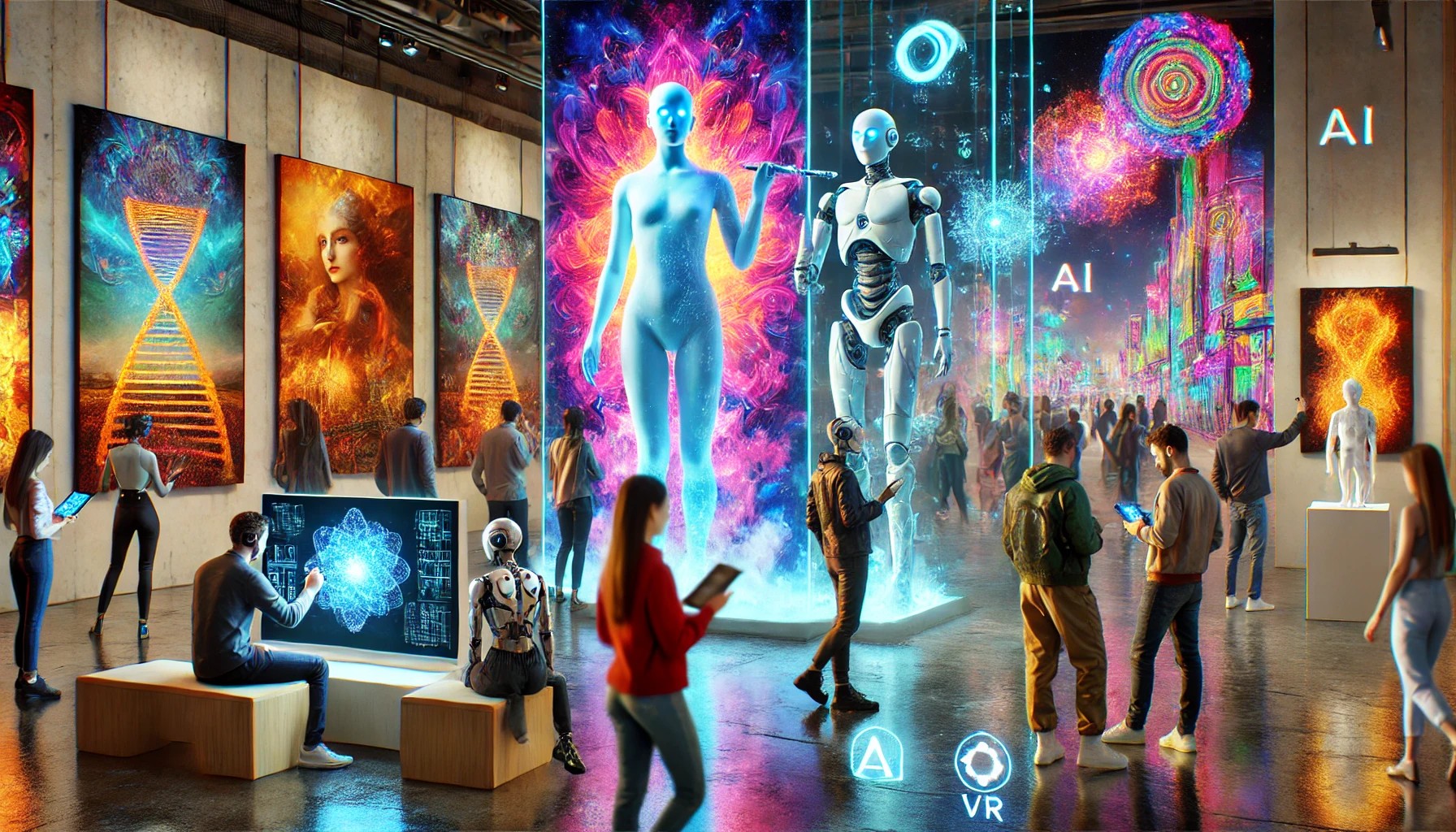
Many artists are now collaborating with AI, using it as a partner in the creative process rather than a replacement. This collaboration allows for a unique interplay between human intuition and algorithmic precision, resulting in artworks that reflect the strengths of both entities. For instance artists can input specific parameters into an AI system, guiding its output while still allowing for unexpected results. This synergy fosters a new form of creativity that emphasizes the role of the artist as a curator of ideas rather than the sole creator.
Furthermore, the question of ownership arises in the context of AI-generated art. If a piece of art is created by an algorithm, who holds the rights to that work? Legal frameworks are still catching up to the realities of AI-generated content, leading to ongoing discussions about intellectual property and the ethical implications of using AI in artistic practice. As the art market continues to adapt, these conversations will play a crucial role in shaping the future landscape of art and technology.
The Impact on Aesthetics and Art Consumption
As AI art continues to evolve, it is also reshaping aesthetics and the way audiences engage with visual expression. The unique qualities of AI-generated art—such as the ability to produce intricate patterns and combinations that may be impossible for human artists—challenge conventional standards of beauty and originality. This shift in aesthetics invites viewers to reconsider their perceptions of art, encouraging a more inclusive understanding of what constitutes valuable artistic expression.
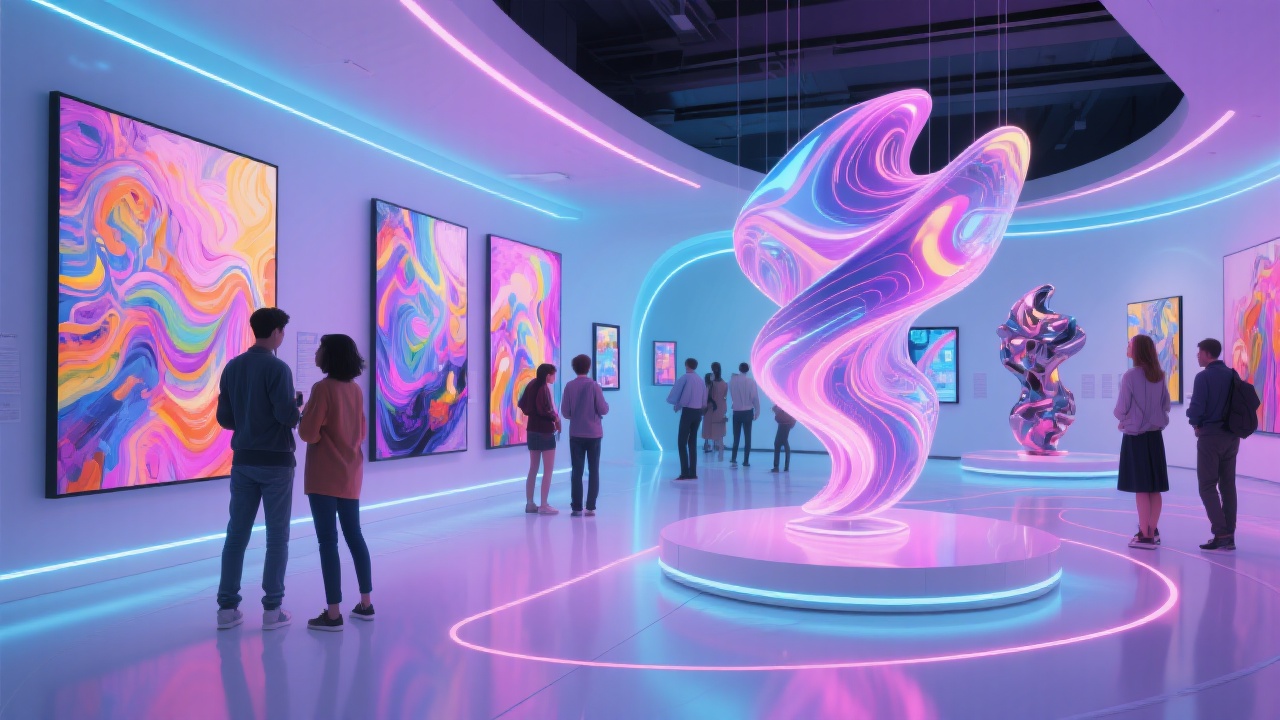
Moreover, the rise of AI art has transformed the art market and consumption patterns. Galleries and auction houses are beginning to feature AI-generated works, and collectors are increasingly interested in acquiring pieces created through these innovative processes. The democratization of art creation through AI tools has also led to a surge in online platforms that showcase and sell digital artworks, allowing artists to reach global audiences without the constraints of traditional exhibition spaces.
In addition to changing the market dynamics, AI art is influencing how audiences interact with visual culture. With the ability to generate personalized art based on individual preferences, AI tools are fostering a more participatory experience for viewers. Users can engage with algorithms to create unique pieces that resonate with their tastes, effectively transforming them from passive consumers to active participants in the artistic dialogue. This shift has the potential to cultivate a deeper appreciation for art and its diverse forms.
Conclusion: A New Era of Artistic Expression
The journey of AI art is a testament to the evolving nature of creativity and the ever-changing landscape of visual expression. As algorithms continue to advance, they are not only redefining the role of the artist but also challenging our understanding of aesthetics and authorship. This fascinating intersection of technology and art invites us to reconsider the boundaries of creativity and the ways in which we engage with visual culture.
Looking ahead, it is clear that AI will play an increasingly significant role in the art world. As artists, technologists, and audiences navigate this new terrain, the possibilities for collaboration and innovation are limitless. The future of AI art promises to be as diverse and dynamic as the individuals who contribute to it. A new era of artistic expression that invites everyone to participate in the creative process. As we embrace these advancements, the dialogue surrounding art and technology will undoubtedly continue to evolve, shaping the cultural landscape for generations to come.