




Strategies to Optimize Your Workflow and Master Time Management for Peak Productivity
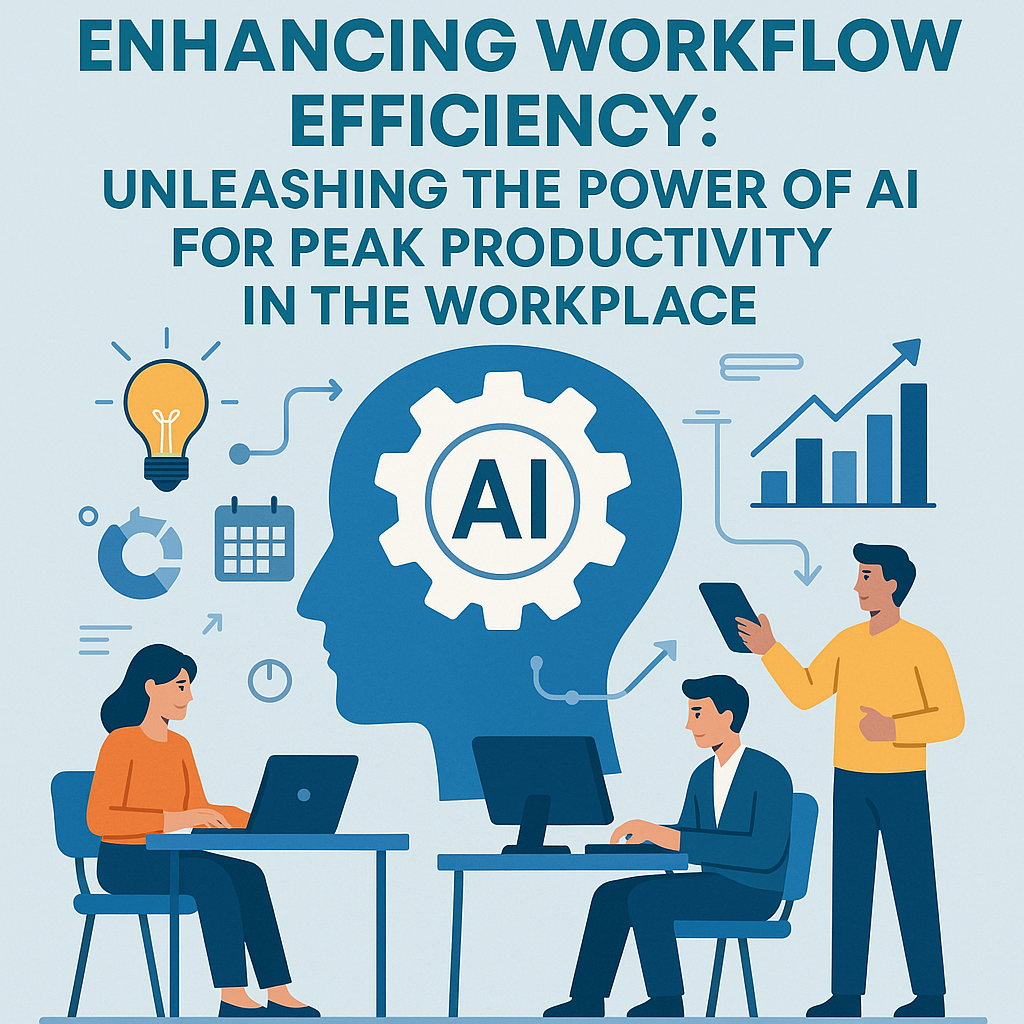
In an era where efficiency is paramount, mastering time management and optimizing workflows are essential for achieving peak productivity. With the advent of artificial intelligence (AI), businesses now have unprecedented tools at their disposal to streamline processes, enhance decision-making, and ultimately boost productivity. This article delves into the various strategies that can be employed to optimize workflows and leverage AI for improved time management.
Understanding the Role of AI in Productivity Enhancement
Artificial intelligence has emerged as a transformative force in the business landscape, offering solutions that go far beyond traditional automation. By analyzing large datasets and providing actionable insights, AI enables organizations to make informed decisions more quickly. For instance, machine learning algorithms can identify patterns in consumer behavior, allowing businesses to tailor their strategies to meet customer needs effectively. This capability not only saves time but also enhances the overall customer experience.
Moreover, AI-powered tools can automate repetitive tasks, freeing up valuable time for employees to focus on more strategic activities. By handling mundane tasks such as data entry, scheduling, and even customer support through chatbots, AI allows teams to concentrate on high-impact projects. The result is a more engaged workforce, capable of driving innovation and achieving greater outcomes.
Additionally, AI can assist in project management by predicting potential bottlenecks and providing recommendations for resource allocation. By utilizing predictive analytics, businesses can proactively address challenges before they escalate, ensuring that projects remain on track. This level of foresight is invaluable in today’s fast-paced environment, where agility and adaptability are critical for success.
Implementing AI-Driven Tools for Workflow Optimization
Adopting AI-driven tools can significantly enhance workflow efficiency across various business functions. For instance, project management software that incorporates AI functionalities can help teams prioritize tasks based on urgency and importance. Such tools can analyze past project data to recommend optimal timelines, ensuring that deadlines are met without compromising quality.
Furthermore, AI can be integrated into communication platforms to streamline collaboration. Tools like smart email assistants can prioritize messages based on relevance, allowing employees to focus on the most critical communications first. This not only saves time but also minimizes the risk of important information getting lost in a crowded inbox.
In the realm of data analysis, AI tools can process vast amounts of information at speeds unattainable by humans. By automating data collection and analysis, businesses can generate reports and insights in real time, facilitating quicker decision-making. This capability is particularly beneficial in dynamic industries where market conditions can change rapidly, necessitating swift responses to maintain competitiveness.
Moreover, organizations can leverage AI in customer relationship management (CRM) systems to enhance customer interactions. AI algorithms can analyze customer data to provide personalized recommendations, improving engagement and satisfaction. By automating follow-ups and tracking customer interactions, businesses can ensure that no lead is overlooked, thereby maximizing conversion rates.
Cultivating a Culture of Continuous Improvement
To fully harness the potential of AI in enhancing productivity, cultivating a culture of continuous improvement is essential. Organizations should encourage employees to embrace new technologies and provide training on how to utilize AI tools effectively. By fostering an environment that values learning and adaptation, businesses can ensure that their teams are equipped to leverage AI for maximum impact.
Additionally, soliciting feedback from employees on AI tools and processes can lead to valuable insights for further optimization. Engaging team members in discussions about workflow challenges and potential solutions can uncover areas where AI can be most effectively implemented. This collaborative approach not only enhances buy-in but also empowers employees to take ownership of their productivity.
Establishing clear metrics for success is another vital component of optimizing workflows with AI. By defining key performance indicators (KPIs) related to productivity, businesses can measure the impact of AI initiatives and make data-driven adjustments as needed. Regularly reviewing these metrics allows organizations to identify trends, celebrate successes, and address any shortcomings in their strategies.
Lastly, leaders should model the behavior they wish to see in their teams. By demonstrating a commitment to leveraging AI for productivity, they can inspire employees to follow suit. This leadership approach fosters a sense of accountability and encourages everyone to contribute to the organization’s overall efficiency and effectiveness.
Conclusion
In conclusion, optimizing workflows and mastering time management are crucial for achieving peak productivity in today’s competitive business landscape. By embracing AI-driven tools and fostering a culture of continuous improvement, organizations can unlock new levels of efficiency and innovation. As businesses continue to navigate the complexities of the modern world, those that strategically leverage AI will not only enhance their productivity but also position themselves for long-term success. Embracing these strategies will ensure that companies remain agile, responsive, and capable of thriving in an ever-evolving marketplace.