




Writing Smarter: How AI is Changing the Way We Approach Content Creation and Storytelling
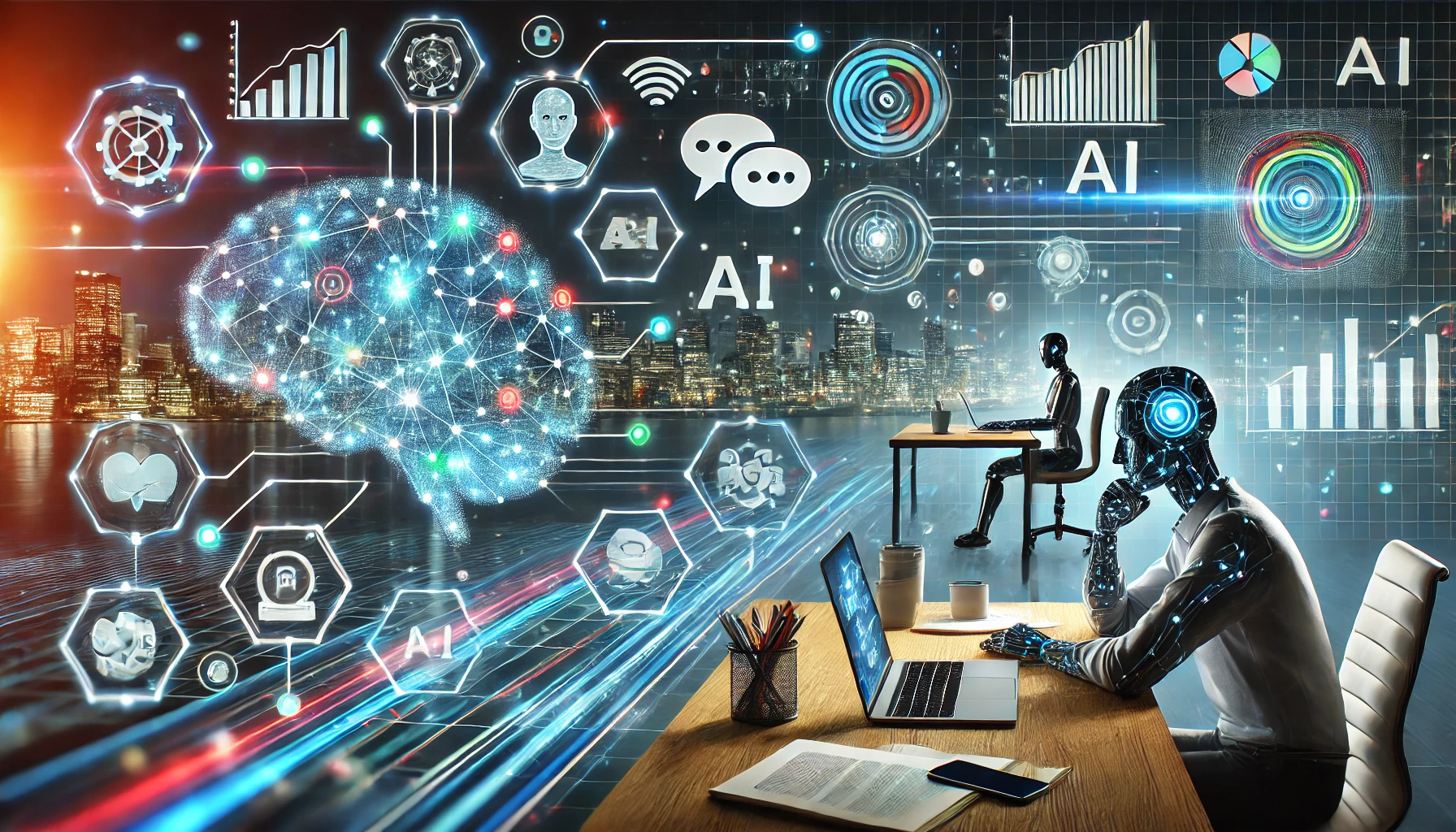
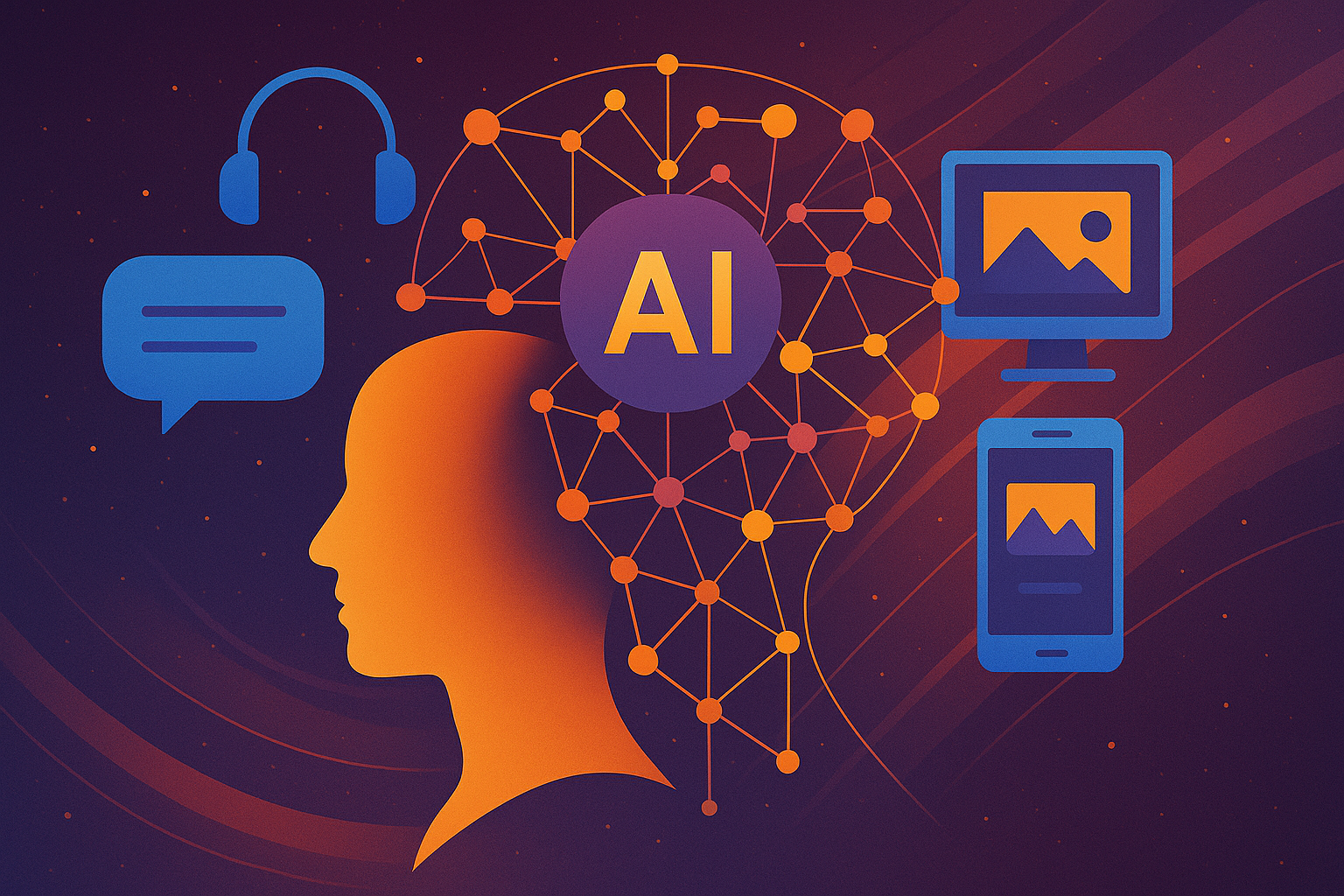
The evolution of technology has always influenced the way we communicate, and the advent of artificial intelligence (AI) is no exception. As we delve deeper into the digital age, AI is reshaping the landscape of content creation and storytelling. This article explores how AI tools are enhancing the writing process, revolutionizing content strategies, and enabling storytellers to reach new heights of creativity and efficiency.
The Rise of AI in Content Creation
AI has emerged as a powerful ally for writers and content creators. By leveraging machine learning algorithms and natural language processing, AI tools can analyze vast amounts of data, recognize patterns, and generate human-like text. This capability has led to the development of various applications that streamline the writing process. For instance, AI-driven platforms can assist in generating topic ideas, drafting outlines, and even writing full articles based on user-defined parameters.
Moreover, the integration of AI into content creation allows for a more data-driven approach. Writers can now access insights on trending topics, audience preferences, and keyword optimization, which can significantly enhance the relevance and impact of their content. By utilizing these tools, content creators can focus on higher-level strategic thinking, rather than getting bogged down by the minutiae of research and drafting.
In addition to efficiency, AI is also democratizing content creation. Writers of all skill levels can harness these tools to improve their work. Novices can benefit from AI-generated suggestions and corrections, while seasoned professionals can use AI to augment their creativity and explore new narrative possibilities. As a result, the barriers to entry for effective content creation are lowering, enabling more voices to be heard in the digital landscape.
Enhancing Creativity and Storytelling
While some may argue that AI lacks the emotional depth and nuance of human writers, it is essential to recognize that AI can serve as a catalyst for creativity rather than a replacement. Writers can utilize AI-generated content as a foundation, allowing them to build upon it with their unique perspectives and insights. This collaborative approach fosters a new kind of storytelling, where human creativity and AI efficiency coexist harmoniously.
Consider the role of AI in narrative development. By analyzing successful story arcs and character development techniques, AI can provide writers with valuable feedback and suggestions. This data-driven analysis can help authors identify potential plot holes, enhance character dynamics, and even suggest alternative endings. Such insights can elevate storytelling to new heights, allowing writers to craft more engaging and cohesive narratives.
Furthermore, AI can assist in personalizing content for diverse audiences. By analyzing user data and preferences, AI tools can help writers tailor their stories to resonate with specific demographics. This level of customization not only enhances reader engagement but also fosters a deeper connection between the storyteller and the audience. The ability to create targeted content opens up new avenues for storytelling, enabling writers to explore themes and narratives that might otherwise go unnoticed.
The Future of Content Creation with AI
Looking ahead, the future of content creation is poised to be profoundly influenced by AI advancements. As technology continues to evolve, we can expect even more sophisticated tools that enhance the writing process. For instance, the development of AI that can understand context, tone, and style will enable writers to produce content that is not only informative but also emotionally resonant.
Moreover, the integration of AI into content distribution is another area ripe for exploration. Machine learning algorithms can analyze audience behavior and preferences to determine the optimal times and platforms for content dissemination. By understanding when and where to share their work, writers can maximize their reach and impact, ensuring that their stories are seen and heard by the right audiences.
As the landscape of content creation continues to shift, ethical considerations surrounding AI will become increasingly important. Questions about authorship, originality, and the potential for bias in AI-generated content will need to be addressed. Writers and content creators must navigate these challenges thoughtfully, ensuring that their work remains authentic and reflective of their unique voices.
In conclusion, AI is undeniably transforming the way we approach content creation and storytelling. By enhancing efficiency, fostering creativity, and personalizing narratives, AI tools are empowering writers to produce more impactful and engaging content. As we embrace this technological revolution, the potential for innovative storytelling is boundless, paving the way for a new era in writing that blends human ingenuity with the capabilities of artificial intelligence.