



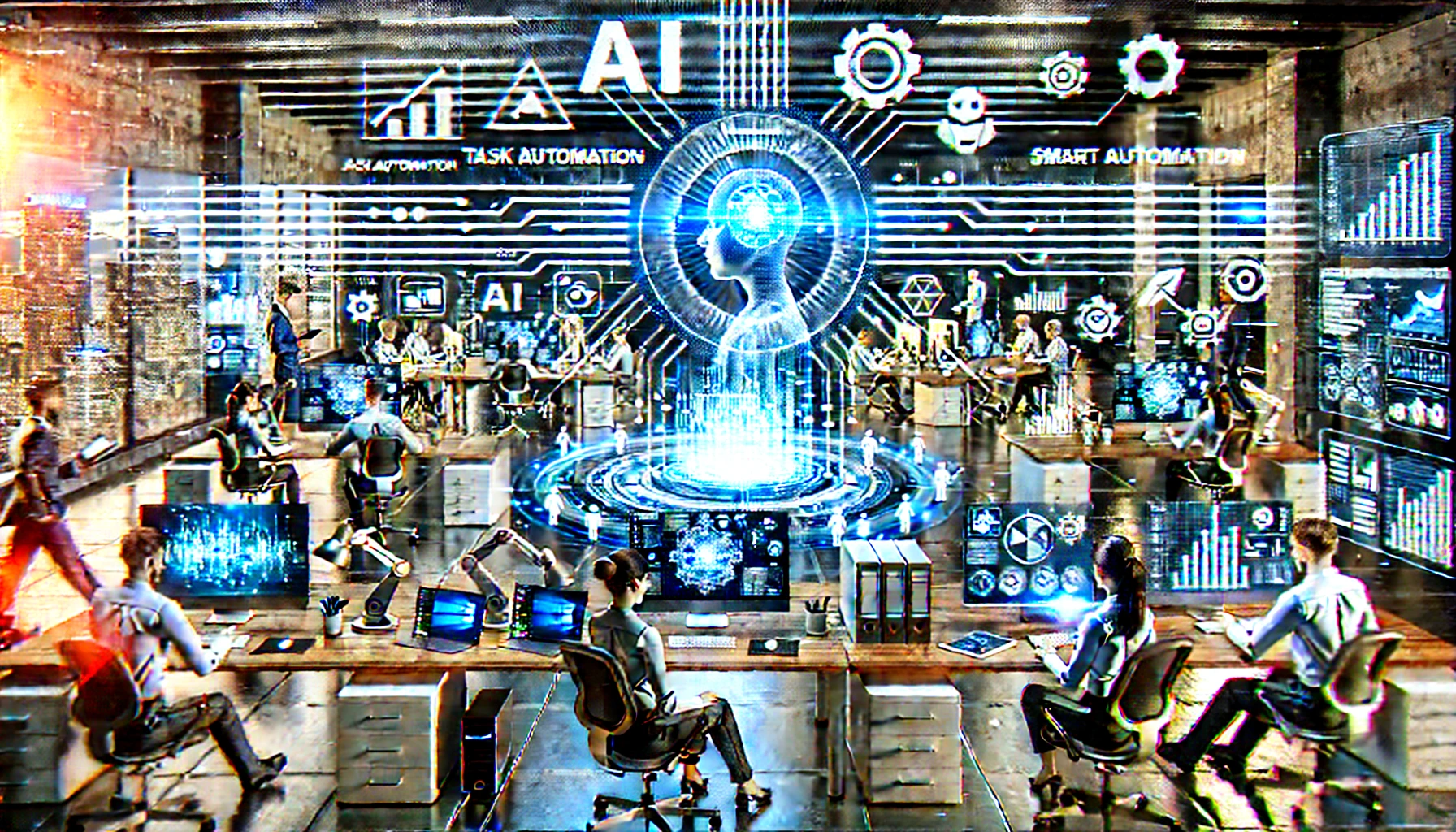
Transforming Workflows: How AI is Revolutionizing Productivity in the Digital Era
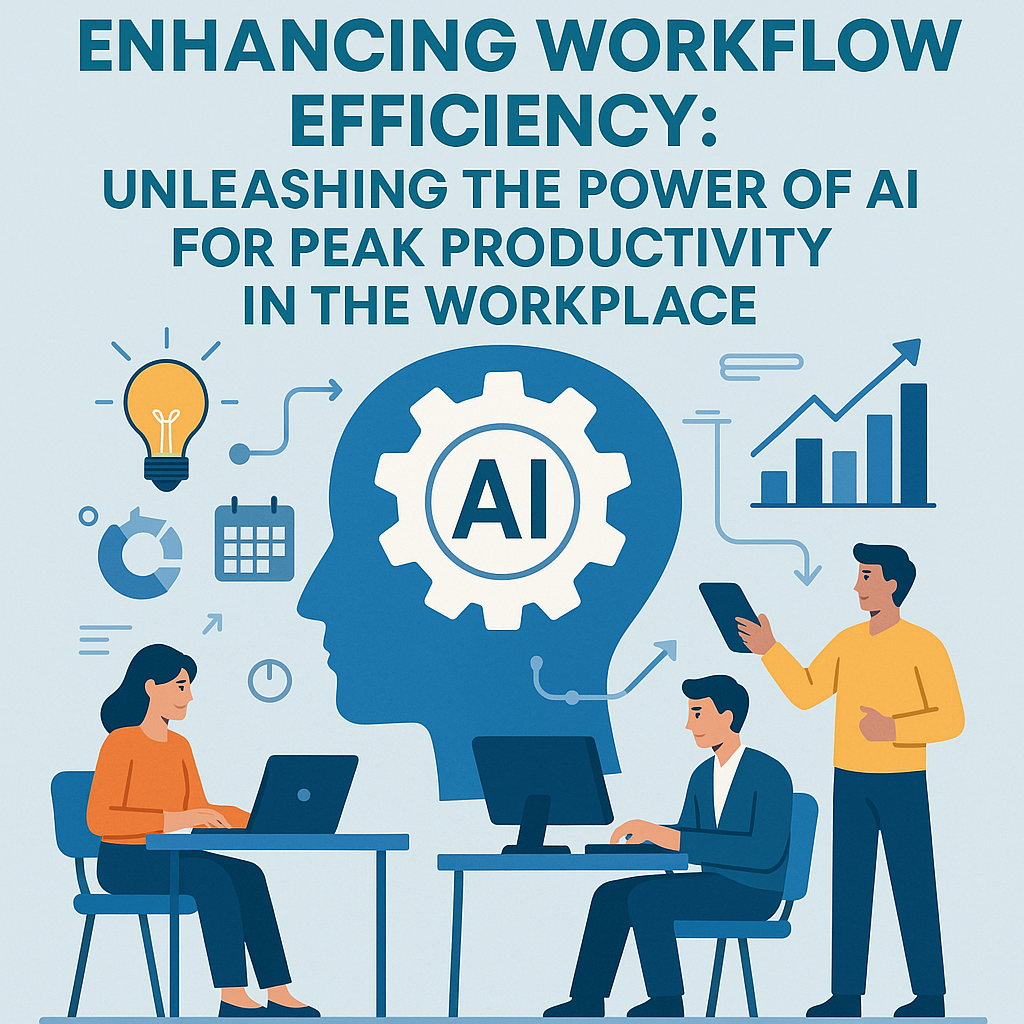
In the fast-paced digital era, businesses are constantly seeking innovative ways to enhance productivity and streamline workflows. One of the most significant advancements in this realm is the integration of artificial intelligence (AI) into everyday work processes. AI is not just a tool for automation, it’s reshaping how teams collaborate, brainstorm, and execute creative projects. This article explores the transformative power of AI in automating creative brainstorming sessions, highlighting tools and best practices for hybrid teams.
The Role of AI in Creative Brainstorming
Creative brainstorming is a fundamental aspect of innovation and problem-solving in any organization. However, traditional brainstorming sessions can often be hindered by various challenges, such as group thinking, time constraints, and the difficulty of capturing and organizing ideas. AI addresses these challenges by providing tools that enhance creativity, streamline communication, and facilitate collaboration among team members, regardless of their physical location.
AI-Powered Brainstorming Tools
Several AI-driven tools are specifically designed to enhance the brainstorming process, making it more efficient and productive. Here are a few noteworthy examples:
1. Mind Mapping Software: Tools like MindMeister and XMind utilize AI to help teams visualize their ideas and concepts. These platforms allow users to create interactive mind maps that can be easily edited and shared. AI algorithms can suggest related ideas or concepts, helping teams expand their thinking and generate new perspectives.
2. Idea Management Platforms: Tools such as Ideanote and Crowdicity leverage AI to collect and analyze ideas from team members. These platforms can automatically categorize suggestions, identify trends, and even predict the success of certain ideas based on historical data. This allows teams to focus on the most promising concepts and prioritize their efforts accordingly.
3. Collaborative Writing Assistants: AI writing assistants like Grammarly and Jasper can help teams articulate their ideas more effectively. These tools provide real-time feedback on grammar, style, and tone, ensuring that the team’s communication is clear and impactful. Additionally, they can suggest alternative phrasing or even generate content based on prompts, facilitating a smoother creative process.
4. Virtual Whiteboards: Platforms like Miro and MURAL enable teams to collaborate visually, regardless of their location. These virtual whiteboards often incorporate AI features that can suggest templates, organize ideas, and even facilitate voting on concepts, making the brainstorming process more interactive and engaging.
5. Chatbots and Virtual Assistants: AI-driven chatbots can facilitate brainstorming sessions by guiding discussions, prompting team members with questions, and even summarizing key points. Tools like Slack and Microsoft Teams can integrate chatbots to enhance communication and keep the creative flow uninterrupted.
Best Practices for Hybrid Teams
As organizations increasingly adopt hybrid work models, it is essential to establish best practices for AI-driven brainstorming sessions that accommodate both in-office and remote team members. Here are some strategies to ensure effective collaboration:
1. Set Clear Objectives: Before initiating a brainstorming session, define the goals and objectives clearly. This helps focus the discussion and ensures that all team members are aligned. AI tools can assist in tracking these objectives and providing reminders throughout the session.
2. Encourage Inclusivity: In hybrid settings, it’s crucial to create an inclusive environment where all voices are heard. Use AI tools to ensure that remote participants can contribute equally. For example, virtual whiteboards allow everyone to add ideas simultaneously, regardless of their location.
3. Leverage Data Insights: AI can analyze past brainstorming sessions to provide insights into what worked and what didn’t. Use these insights to refine your approach and adapt your strategies for future sessions. This data-driven approach can significantly enhance the effectiveness of brainstorming efforts.
4. Utilize Breakout Groups: For larger teams, consider breaking into smaller groups during brainstorming sessions. AI tools can facilitate the organization of these breakout sessions, helping to ensure that discussions remain focused and productive. Afterward, collaborate to share insights and consolidate ideas.
5. Implement Structured Techniques: Techniques such as the “Six Thinking Hats” or “SCAMPER” can be enhanced with AI tools. For instance, AI can guide participants through these frameworks, ensuring that all aspects of a problem are considered. This structured approach can lead to more comprehensive solutions.
6. Follow Up and Iterate: After a brainstorming session, use AI tools to summarize the ideas generated and assign action items. Regular follow-ups can help maintain momentum and ensure that ideas are not lost. AI can also track progress and remind team members of deadlines, keeping everyone accountable.
The Future of AI in Creative Workflows
As AI technology continues to evolve, its potential to transform workflows in creative industries will only grow. Future advancements may include more sophisticated natural language processing capabilities, enabling AI to understand context and nuance better. This could lead to even more personalized brainstorming experiences, where AI acts as a true collaborator rather than just a tool.
Moreover, as organizations become more data-driven, AI will play a critical role in analyzing the effectiveness of creative processes. By leveraging data analytics, teams can gain insights into which brainstorming techniques yield the best results, further refining their approach to creativity.
Conclusion
AI is revolutionizing productivity in the digital era, particularly in the realm of creative brainstorming. By automating and enhancing collaboration, AI tools empower hybrid teams to generate innovative ideas and solutions more efficiently. As organizations embrace these technologies and adopt best practices for their implementation, they will not only improve their workflows but also foster a culture of creativity and innovation. The future of work is here, and it is driven by the transformative power of artificial intelligence.