
Writing Smarter: The Impact of AI Tools on Modern Content Development and Communication Strategies
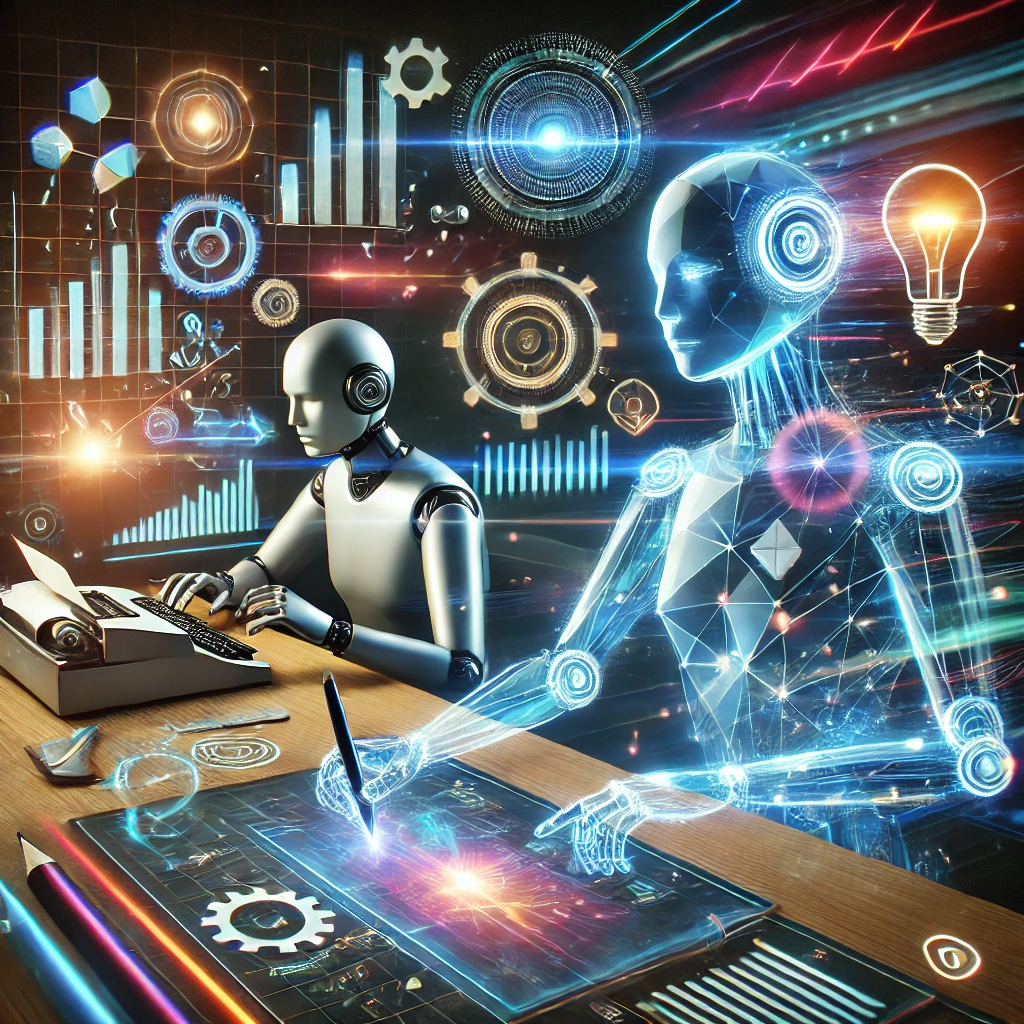
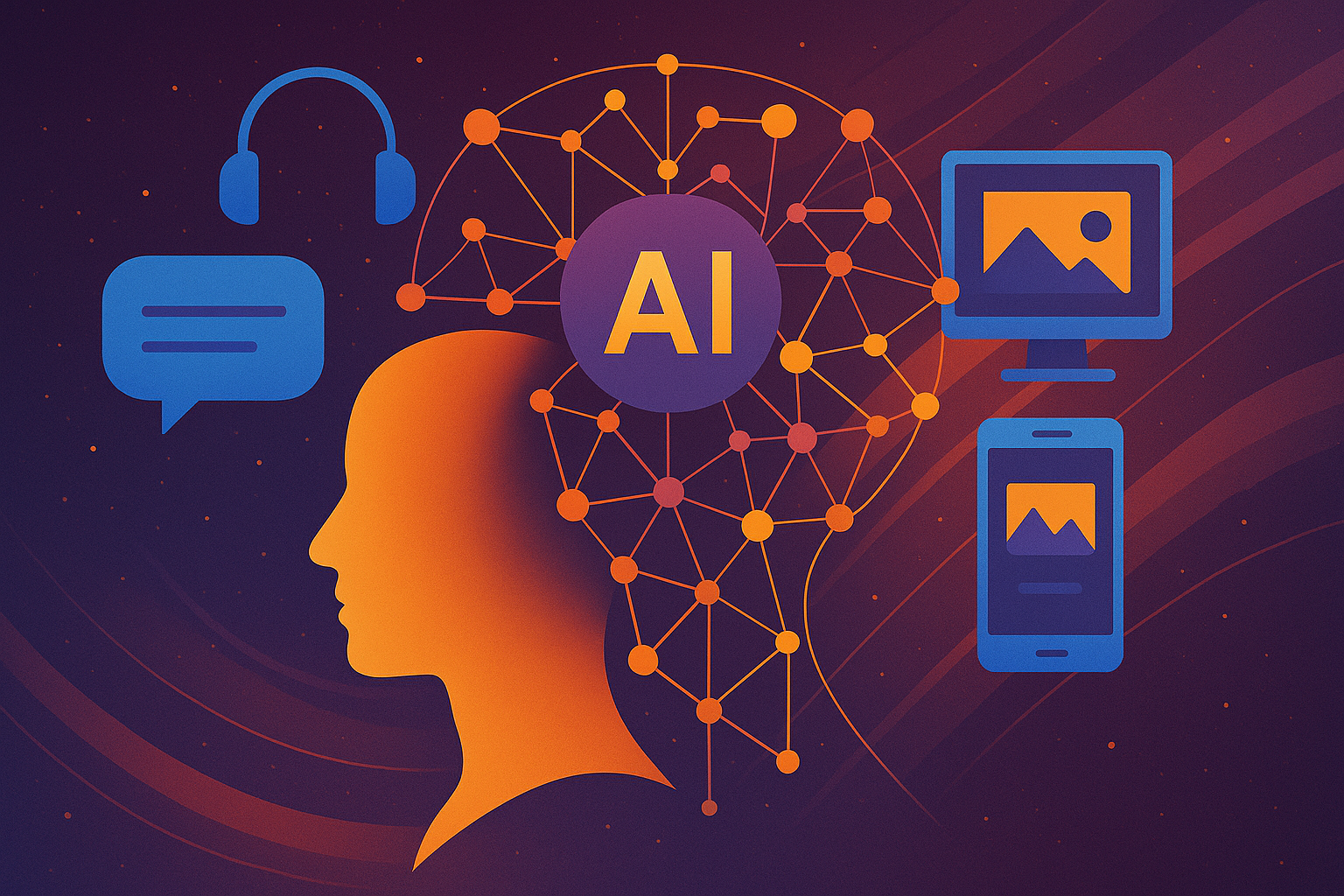
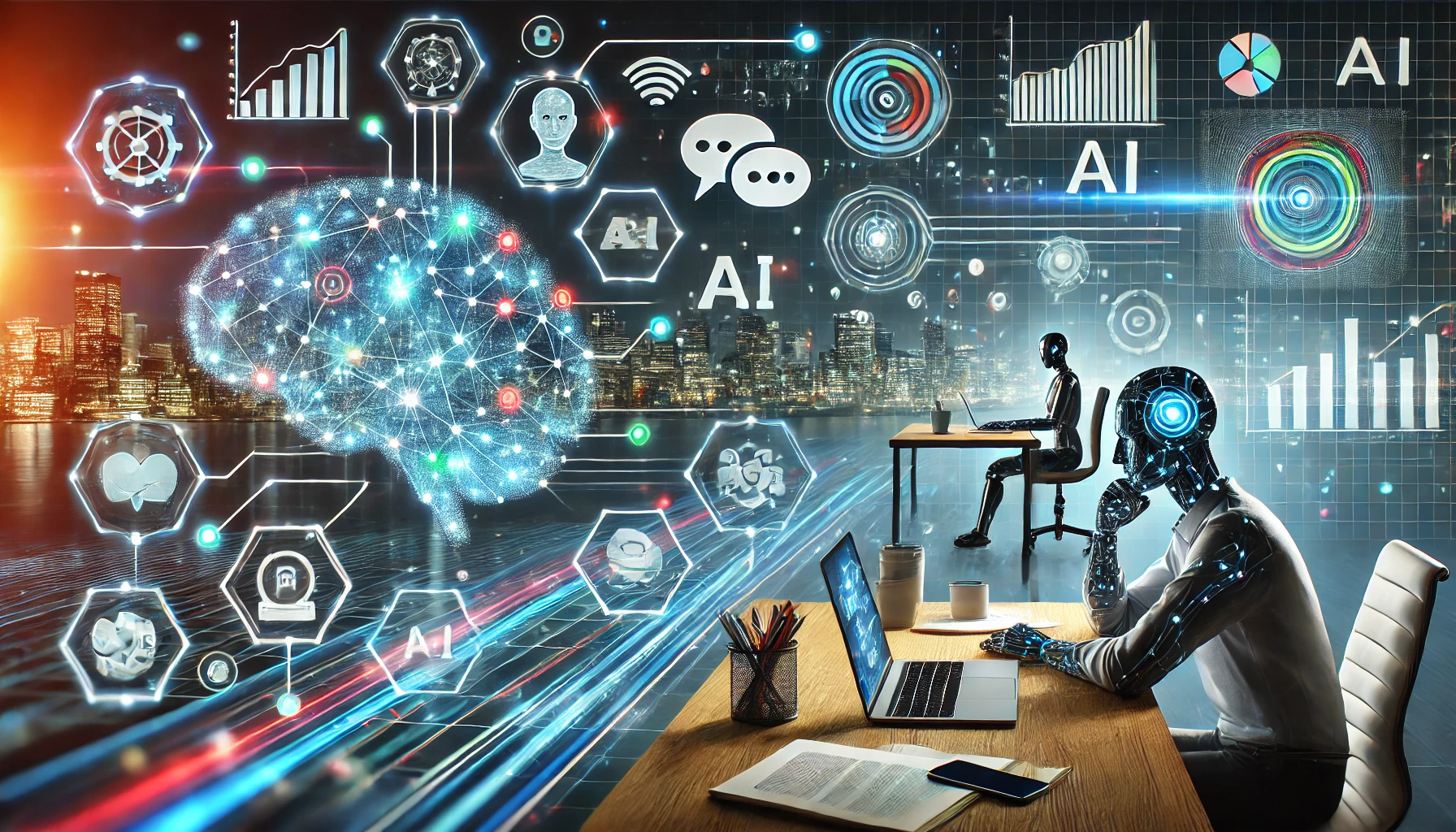
In the ever-evolving landscape of content creation, the use of artificial intelligence (AI) has developed a transformative era. As writers, marketers, and communicators strive to capture the attention of audiences, AI tools have emerged as powerful allies. This article digs into the impact of AI on storytelling, particularly in the realm of fiction, comparing human and AI-generated narratives. We will explore the nuances of structure, emotion, and creativity that define storytelling, examining how these elements are affected by AI’s influence.
The Rise of AI in Content Development
AI tools have gained traction across various industries, from customer service to healthcare, and their role in content development is no exception. Tools like OpenAI’s ChatGPT and other language models can generate text that mimics human writing styles, allowing for rapid content creation and ideation. As these technologies advance, they offer a unique opportunity to enhance storytelling capabilities while also posing questions about the essence of creativity and human touch in writing.
Structure: The Framework of Storytelling
One of the most critical aspects of storytelling is its structure. Traditional narratives often follow a familiar arc: exposition, rising action, climax, falling action, and resolution. This framework serves as a roadmap for both writers and readers, guiding the flow of the story.
Human Storytelling:
Human writers possess an innate understanding of narrative structure, often drawing from personal experiences, cultural contexts, and literary traditions. They can intuitively play with structure, bending or breaking conventions to create innovative storytelling experiences. For instance, a writer might choose to begin a story in the middle of the action to hook readers immediately, or they might start in non-linear timelines to create suspense.
AI-Generated Storytelling:
AI tools, on the other hand, rely on algorithms and vast datasets to generate content. While they can replicate traditional narrative structures with impressive accuracy, their understanding of structure lacks the depth of human intuition. AI can produce stories that follow conventional arcs, but they may struggle with more complex structures that require a hint understanding of pacing, tension, and thematic resonance. This limitation can result in narratives that feel formulaic and predictable, lacking the surprises and twists that come from human creativity.
Emotion: The Heart of Storytelling
Emotion is a powerful driving force in storytelling, allowing readers to connect with characters and narratives on a personal level. The ability to evoke feelings—whether joy, sadness, fear, or nostalgia—is what often distinguishes compelling stories from mediocre ones.
Human Storytelling:
Human writers draw from their own emotional experiences and empathy to craft relatable characters and situations. They can weave intricate emotional arcs that resonate with readers, creating moments of vulnerability, conflict, and resolution. A skilled writer can evoke a deep sense of longing or despair through the careful selection of words, imagery, and dialogue, creating a visceral experience for the reader.
AI-Generated Storytelling:
While AI can analyze patterns in emotional language and replicate certain emotional cues, it lacks true emotional understanding. AI-generated stories may include emotionally charged phrases or situations, but they often fall short of capturing the depth and nuance that human writers bring to their work. AI-generated narratives may feel emotionally flat or superficial, as they lack the lived experiences and insights that inform human creativity. This is particularly evident in character development, where AI may produce archetypal characters that lack the complexity and depth found in human-created counterparts.
Creativity: The Essence of Storytelling
Creativity is often seen as the hallmark of exceptional storytelling. It encompasses originality, imagination, and the ability to think outside the box. Human writers are adept at crafting unique narratives that challenge conventions and push boundaries, drawing from a rich tapestry of cultural influences, personal experiences, and imaginative insights.
Human Storytelling:
Human creativity is fueled by a myriad of factors, including cultural context, personal experiences, and the subconscious mind. Writers can draw from their own lives, societal issues, and the human condition to create stories that are not only original but also resonate with readers on multiple levels. The ability to innovate, experiment, and take risks in storytelling is a distinctly human trait, allowing for the creation of groundbreaking works that redefine genres and challenge societal norms.
AI-Generated Storytelling:
AI-generated content, while impressive in its ability to mimic human writing styles, often lacks the spark of true creativity. AI operates based on existing data and patterns, making it inherently derivative. While it can generate novel combinations of ideas, it does so without the deeper understanding or intention that characterizes human creativity. As a result, AI-generated stories may lack the unique voice and perspective that make human storytelling so rich and diverse.
The Future of Storytelling: A Collaborative Approach
As AI tools continue to evolve, the future of storytelling may not be a matter of choosing between human and AI-generated narratives. Instead, a collaborative approach may emerge, where human writers leverage AI as a tool to enhance their creative processes. By utilizing AI for tasks such as brainstorming ideas, generating plot outlines, or even providing inspiration, writers can free themselves from the constraints of traditional storytelling methods.
Moreover, AI can serve as a valuable assistant in content development, helping marketers and communicators craft compelling narratives that resonate with target audiences. By analyzing data and trends, AI can provide insights into what types of stories are likely to engage readers, allowing writers to tailor their narratives accordingly.
Conclusion
The impact of AI on modern content development and communication strategies is undeniable. As we navigate the complexities of storytelling in the digital age, it is essential to recognize the strengths and limitations of both human and AI-generated narratives. While AI tools can enhance efficiency and provide valuable insights, they cannot replicate the depth of human emotion, creativity, and intuition that define exceptional storytelling.
Ultimately, the future of storytelling may lie in the synergy between human creativity and AI capabilities, allowing us to write smarter and more effectively in a world where technology and art converge. As we embrace these advancements, we must remain vigilant in preserving the essence of what makes storytelling a uniquely human endeavor.