

Navigating the New Frontier: How AI and Humans Collaborate for Enhanced Problem Solving
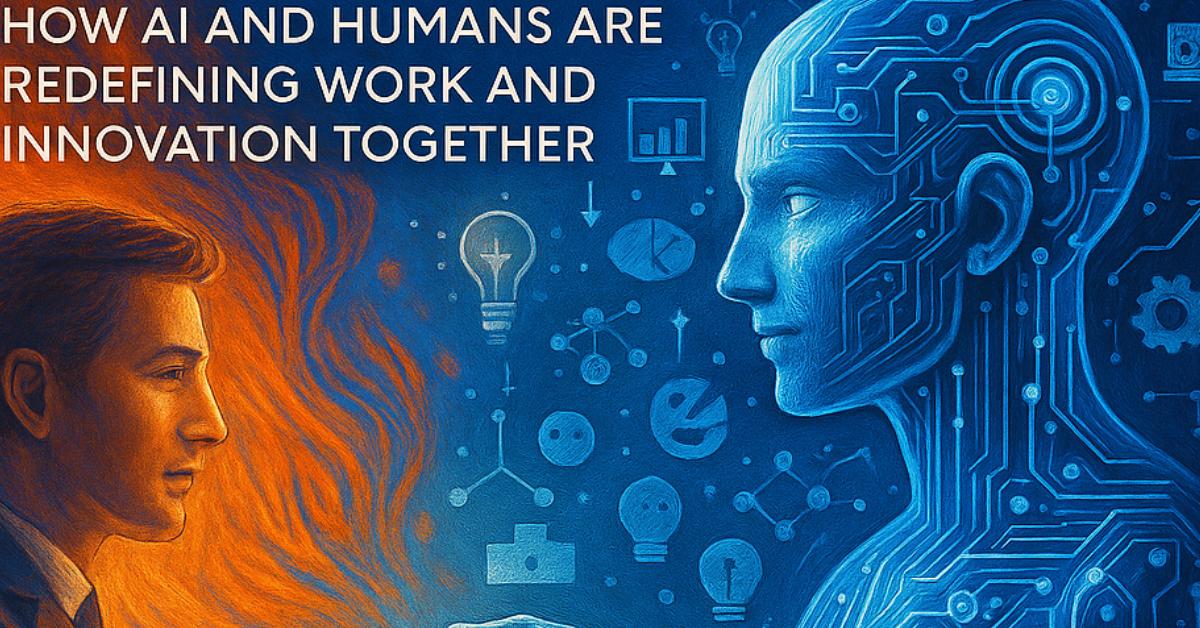
The rise of artificial intelligence (AI) has ushered in a new era of collaboration between humans and machines. As AI technologies become increasingly sophisticated, they are not merely replacing human roles but augmenting our capabilities, redesigning workflows, and enhancing problem-solving strategies across various sectors. This article explores how AI and humans can work together to create a more efficient and innovative future, focusing on the theme of augmenting capabilities.
Enhancing Human Intelligence with AI
One of the most significant ways AI enhances human capabilities is through the augmentation of intelligence. AI systems can analyze vast datasets at incredible speeds, uncovering patterns and insights that would be impossible for humans to detect alone. Imagine a researcher in the field of medicine who is tasked with identifying potential drug interactions. By leveraging AI algorithms, the researcher can sift through millions of medical records and scientific publications, pinpointing relevant information and suggesting potential avenues for further investigation.
This collaboration allows the researcher to focus on higher-order thinking, such as hypothesis generation and experimental design, rather than getting bogged down in data analysis. In this sense, AI acts as a powerful tool that enhances human intelligence rather than replacing it. The result is a more informed decision-making process that can lead to groundbreaking discoveries in various fields, including healthcare, finance, and environmental science.
Redesigning Workflows for Efficiency
AI’s integration into the workplace is not just about enhancing individual capabilities; it also involves redesigning workflows to improve overall efficiency. Traditional work processes often involve repetitive tasks that can drain human resources and stifle creativity. By automating these mundane activities, AI frees up employees to focus on more strategic initiatives.
Take, for example, the manufacturing sector. AI-powered robots can handle assembly line tasks with precision, reducing the likelihood of human error and increasing production rates. This shift allows human workers to transition into roles that require critical thinking, creativity, and emotional intelligence, such as process optimization and team leadership. As a result, companies can achieve higher productivity levels while fostering a more engaged and satisfied workforce.
Furthermore, AI can facilitate better communication and collaboration among team members. By employing natural language processing (NLP) algorithms, AI tools can summarize meeting notes, track project progress, and even suggest the best times for team members to collaborate. This seamless integration of AI into workflows creates an environment where human creativity and machine efficiency coexist harmoniously.
Teaming in Specific Sectors: Case Studies
The collaboration between AI and humans is particularly evident in specific sectors where the stakes are high, and the need for innovative solutions is paramount. Let’s explore a few case studies that exemplify this collaboration.
Healthcare
In the healthcare sector, AI is transforming patient care by assisting medical professionals in diagnosing diseases and personalizing treatment plans. For instance, AI algorithms can analyze medical imaging data to detect anomalies that may be missed by the human eye. Radiologists equipped with AI tools can make more accurate diagnoses, leading to timely interventions and improved patient outcomes.
Moreover, AI can assist in predictive analytics, helping healthcare providers identify patients at risk of developing chronic conditions. By combining AI’s analytical prowess with the empathetic care provided by healthcare professionals, the industry is moving toward a more proactive and personalized approach to patient care.
Finance
In finance, AI is revolutionizing risk assessment and fraud detection. Financial analysts can leverage AI-driven analytics to evaluate creditworthiness and identify potentially fraudulent transactions. This collaboration not only enhances the accuracy of financial assessments but also speeds up the decision-making process.
Additionally, AI-powered chatbots are improving customer service in the financial sector. These chatbots can handle routine inquiries, allowing human agents to focus on more complex customer needs. The synergy between AI and human agents results in a more efficient customer service experience, ultimately leading to increased customer satisfaction.
Education
The education sector is also experiencing the benefits of AI-human collaboration. AI can personalize learning experiences by analyzing students’ performance data and tailoring educational content to meet their individual needs. Educators, equipped with insights derived from AI analytics, can identify struggling students and provide targeted support.
Moreover, AI can assist in administrative tasks, such as grading assignments and managing schedules, enabling teachers to dedicate more time to direct student engagement. This collaborative model fosters a more effective learning environment where both AI and educators play crucial roles in student success.
The Future of Collaboration: Challenges and Opportunities
While the collaboration between AI and humans presents numerous opportunities, it also comes with challenges. Concerns about job displacement, data privacy, and ethical considerations are at the forefront of discussions surrounding AI integration. It is crucial for organizations to address these issues proactively by fostering a culture of continuous learning and adaptation.
Training programs that equip employees with the skills needed to work alongside AI will be essential in mitigating fears of job loss. By emphasizing the importance of human-AI collaboration, organizations can create an environment where employees feel empowered to embrace technology as a partner rather than a competitor.
In addition, ethical guidelines must be established to ensure that AI systems are designed and implemented responsibly. Transparency in AI decision-making processes and accountability for AI-driven outcomes will be vital to building trust among users.
Conclusion
As we navigate this new frontier of AI and human collaboration, it is clear that the future holds immense potential for enhanced problem-solving. By augmenting human capabilities, redesigning workflows, and fostering teamwork in specific sectors, AI is poised to revolutionize how we approach challenges. Embracing this collaboration will enable us to unlock new levels of creativity and innovation, ultimately leading to a more prosperous and efficient society.