



Unveiling the Secrets: How AI Technology is Shaping Our World and Transforming Everyday Experiences
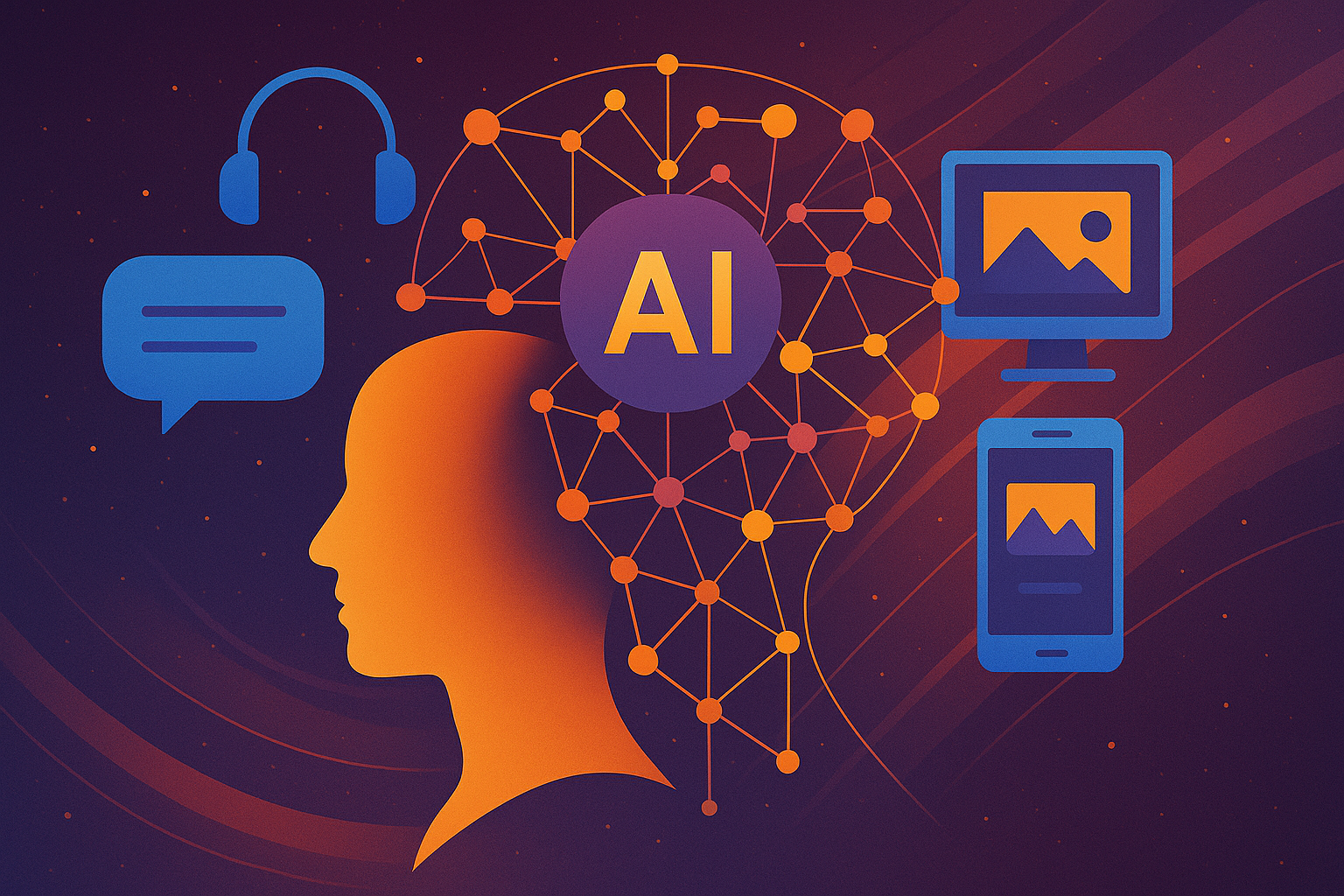
Artificial Intelligence (AI) has moved from the realm of science fiction into the fabric of our daily lives. From the way we communicate to how we shop, AI technologies are reshaping our experiences and redefining our understanding of what is possible. This article delves into the transformative power of AI, focusing on specific areas such as Natural Language Processing (NLP), computer vision, and AI hardware.
The Rise of Natural Language Processing
Natural Language Processing, or NLP, is a branch of AI that enables computers to understand, interpret, and generate human language. This technology is at the heart of many applications that we use daily, including virtual assistants like Siri and Alexa, chatbots, and translation services.
Enhancing Communication
One of the most significant impacts of NLP is its ability to bridge communication gaps. For instance, language translation tools powered by NLP allow users to converse in different languages seamlessly. Google Translate has evolved significantly, leveraging neural machine translation to provide more accurate and contextually relevant translations. This not only facilitates international business but also fosters cultural exchange and understanding among people from diverse backgrounds.
Revolutionizing Customer Service
In the realm of customer service, NLP has transformed how businesses interact with their clients. Chatbots, equipped with NLP capabilities, can handle a multitude of inquiries simultaneously, providing instant responses to customers. This not only enhances user experience but also allows companies to allocate human resources to more complex tasks. As these systems learn from interactions, they continually improve, leading to more personalized and effective communication.
The Power of Computer Vision
Computer vision is another fascinating area of AI that enables machines to interpret and make decisions based on visual data. This technology is revolutionizing industries such as healthcare, automotive, and retail by enabling machines to “see” and understand the world around them.
Advancements in Healthcare
In healthcare, computer vision is making waves in diagnostics and treatment planning. For example, algorithms can analyze medical images, such as X-rays and MRIs, to detect anomalies that may be missed by the human eye. A study published in Nature demonstrated that AI systems could match or even surpass human radiologists in detecting breast cancer from mammograms. This not only speeds up the diagnostic process but also supports medical professionals in making more informed decisions.
Enhancing Retail Experiences
In retail, computer vision is used to enhance customer experiences and streamline operations. Smart cameras in stores can track customer movements, analyze shopping patterns, and even monitor inventory levels in real-time. Retailers like Amazon have implemented “just walk out” technology, allowing customers to enter a store, select items, and leave without going through a traditional checkout process. The system automatically charges the customer’s account, thanks to the sophisticated computer vision algorithms at work.
The Backbone of AI: AI Hardware
While software innovations often steal the spotlight, the hardware that powers AI technologies is equally essential. AI hardware, such as Graphics Processing Units (GPUs) and specialized chips like Tensor Processing Units (TPUs), is designed to handle the massive computational demands of AI algorithms.
Powering Machine Learning
The rise of deep learning, a subset of machine learning, has been made possible by advancements in AI hardware. GPUs, originally designed for rendering graphics in video games, are now utilized for training complex AI models due to their parallel processing capabilities. This has significantly reduced the time required to train models, enabling researchers and developers to experiment and innovate at an unprecedented pace.
Enabling Edge Computing
Moreover, AI hardware is facilitating the shift towards edge computing, where data processing occurs closer to the source of data generation. This is particularly beneficial for applications requiring real-time responses, such as autonomous vehicles and smart devices. By processing data locally, these systems can operate more efficiently and with lower latency, enhancing user experiences and safety.
Conclusion: Embracing the AI Revolution
As we continue to explore the depths of AI technology, it becomes increasingly clear that its influence on our world is profound and far-reaching. From enabling seamless communication through NLP to enhancing visual understanding with computer vision and powering innovations with specialized hardware, AI is transforming our everyday experiences in ways we could only dream of a few decades ago.
The ongoing advancements in AI will undoubtedly lead to even more revolutionary changes in the future. As society embraces these technologies, it is essential to consider the ethical implications and ensure that AI is developed and used responsibly. By doing so, we can harness the full potential of AI to create a better, more connected world.