



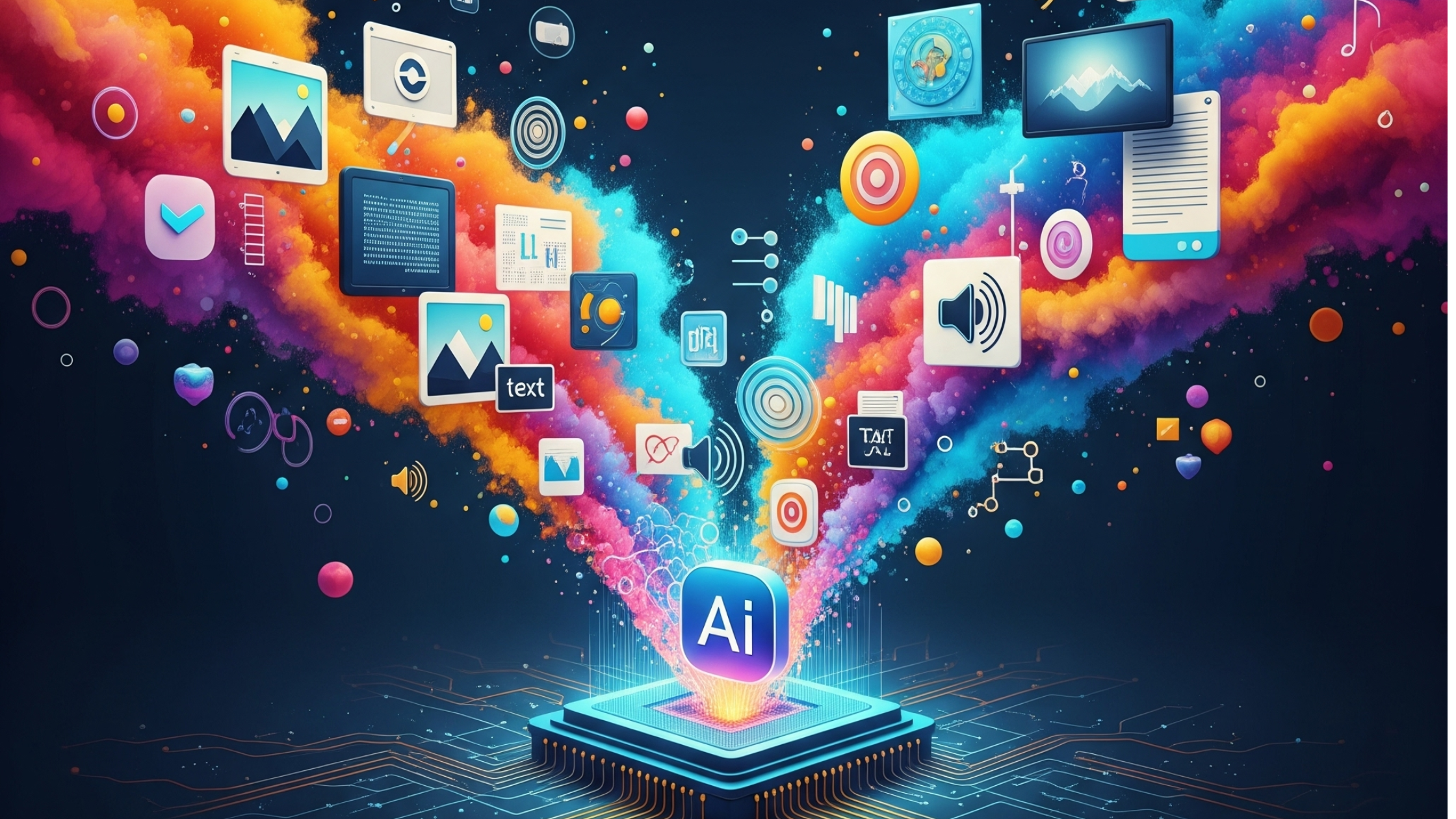
Multimodal AI: Integrating Diverse Data to Enhance Interaction and User Engagement
Introduction
In the rapidly evolving landscape of artificial intelligence (AI), the integration of diverse data modalities has emerged as a game-changer. Multimodal AI, which combines information from various sources—such as text, images, audio, and video—enables richer interactions and deeper user engagement. This article explores the transformative potential of multimodal AI, focusing specifically on its applications in healthcare. By analyzing how this technology enhances diagnostics, patient interactions, and personalized treatment, we can better understand its real-world impact.
The Power of Multimodal Data in Healthcare: Enhancing Diagnostics Through Integrated Data
In the realm of healthcare, accurate diagnostics are paramount. Traditional diagnostic methods often rely on single data sources, which can lead to incomplete assessments. However, multimodal AI systems can analyze a combination of medical images (like X-rays or MRIs), patient histories, and even genetic data to provide a more comprehensive view of a patient’s condition.
For instance, consider a multimodal AI system that integrates radiological images with electronic health records (EHR). By analyzing patterns in both data types, the AI can identify anomalies that might be overlooked when each modality is assessed in isolation. A study published in *Nature Medic* demonstrated that AI systems using multimodal data achieved diagnostic accuracy rates exceeding those of human radiologists in certain contexts. Such advancements not only enhance diagnostic precision but also expedite the decision-making process, ultimately improving patient outcomes.
Improving Patient Interactions with AI-Driven Communication
Effective communication between healthcare providers and patients is crucial for successful treatment outcomes. Multimodal AI can significantly enhance this aspect by utilizing natural language processing (NLP), speech recognition, and sentiment analysis. For instance, AI chatbots can engage patients through voice and text, understanding and responding to queries in real-time.
These systems can analyze the emotional tone of a patient’s voice while simultaneously processing the content of their questions. This dual analysis allows for more empathetic interactions, as the AI can tailor responses based on the patient’s emotional state. A notable example is the use of AI in mental health apps, where multimodal systems gauge a user’s emotional health through voice tone, text input, and even facial recognition via smartphone cameras. Such applications not only improve user experience but also foster a sense of connection and support, which is vital for mental health treatment.
Personalizing Treatment Plans with Multimodal Insights
Another significant application of multimodal AI in healthcare is the personalization of treatment plans. By integrating diverse data sources, including genetic information, lifestyle factors, and real-time health metrics, AI can recommend tailored treatment options that suit individual patients.
For example, a multimodal AI system can analyze genomic data alongside patient-reported outcomes and wearable device metrics. This comprehensive analysis enables healthcare providers to design personalized medication regimens or lifestyle interventions that align with the patient’s unique profile. A study in the *Journal of Personalized Medicine* highlighted that patients receiving AI-assisted personalized treatment plans showed improved adherence and better health outcomes compared to those on standard treatment protocols.
Challenges and Considerations: Addressing Data Privacy and Security
While the potential benefits of multimodal AI in healthcare are immense, challenges remain, particularly concerning data privacy and security. The integration of diverse data types raises concerns about how sensitive health information is collected, stored, and used.
Healthcare organizations must navigate complex regulations, such as HIPAA in the United States, to ensure that patient data is protected. Developing robust security measures and transparent data handling practices is essential to maintain patient trust and comply with legal standards. Additionally, AI systems must be designed to minimize bias, ensuring that the data used reflects diverse populations and does not inadvertently perpetuate health disparities.
Ensuring Interoperability Among Systems
Another challenge lies in the interoperability of different healthcare systems. Many healthcare providers use disparate electronic health record systems, making it difficult to share and integrate data effectively. For multimodal AI to realize its full potential, seamless data exchange among systems is crucial.
Efforts are underway to establish standardized protocols and frameworks for data sharing. Initiatives like Fast Healthcare Interoperability Resources (FHIR) aim to facilitate interoperability, allowing multimodal AI systems to access and analyze comprehensive patient data from various sources. Overcoming these technical barriers will be essential for widespread adoption and efficacy of multimodal AI in healthcare.
Conclusion
Multimodal AI represents a significant leap forward in the integration of diverse data to enhance interaction and user engagement, particularly in healthcare. By improving diagnostics, enriching patient interactions, and personalizing treatment plans, this technology has the potential to revolutionize how healthcare is delivered. However, addressing challenges related to data privacy, security, and interoperability will be crucial for its successful implementation. As we continue to explore the possibilities of multimodal AI, it is clear that its impact on healthcare—and beyond—will be profound and far-reaching.