

Imagining the Future: How AI Art is Transforming the Landscape of Visual Storytelling
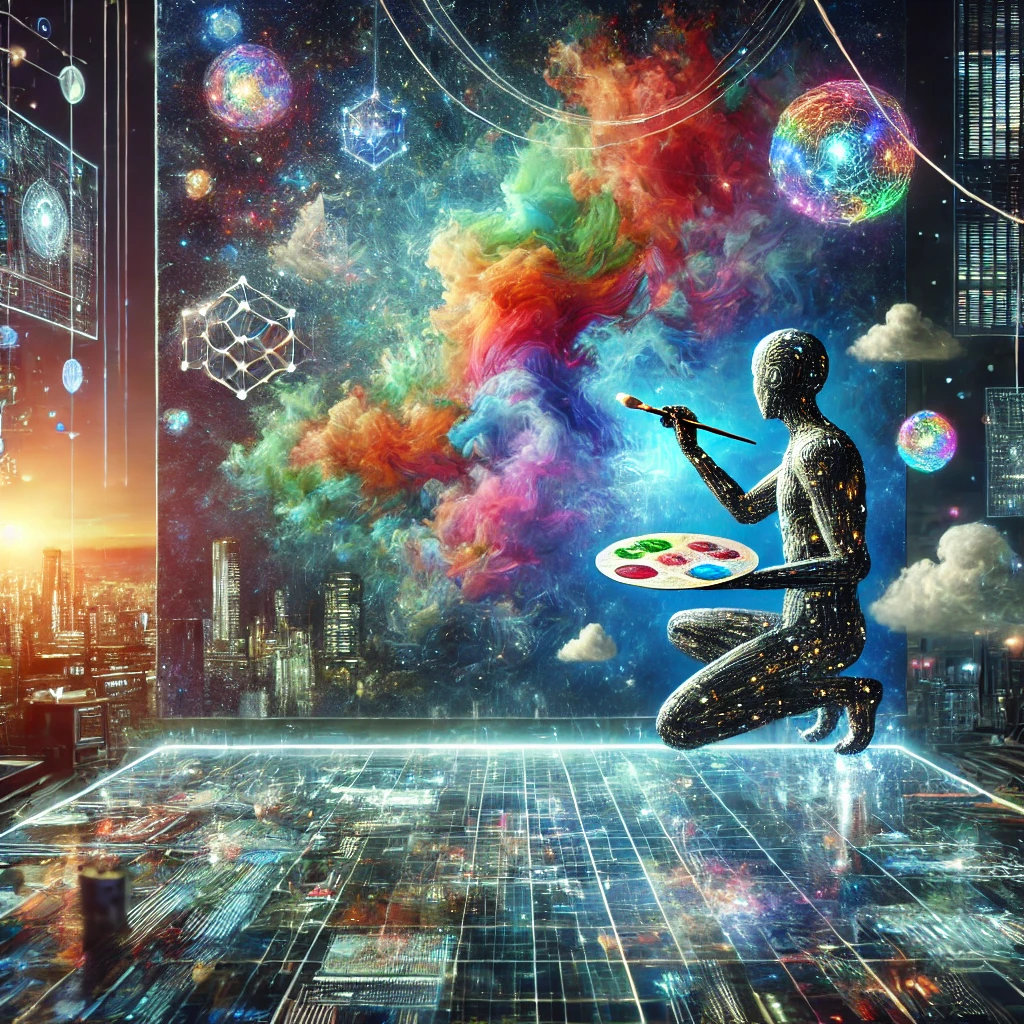
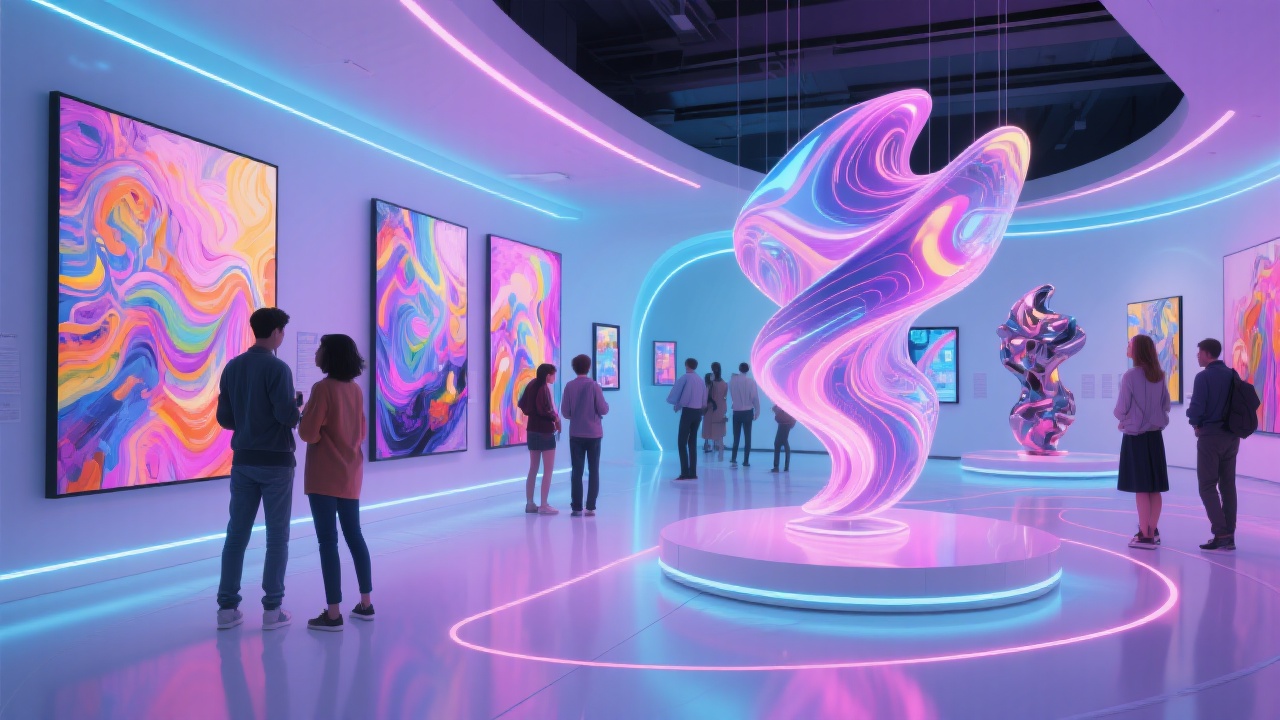
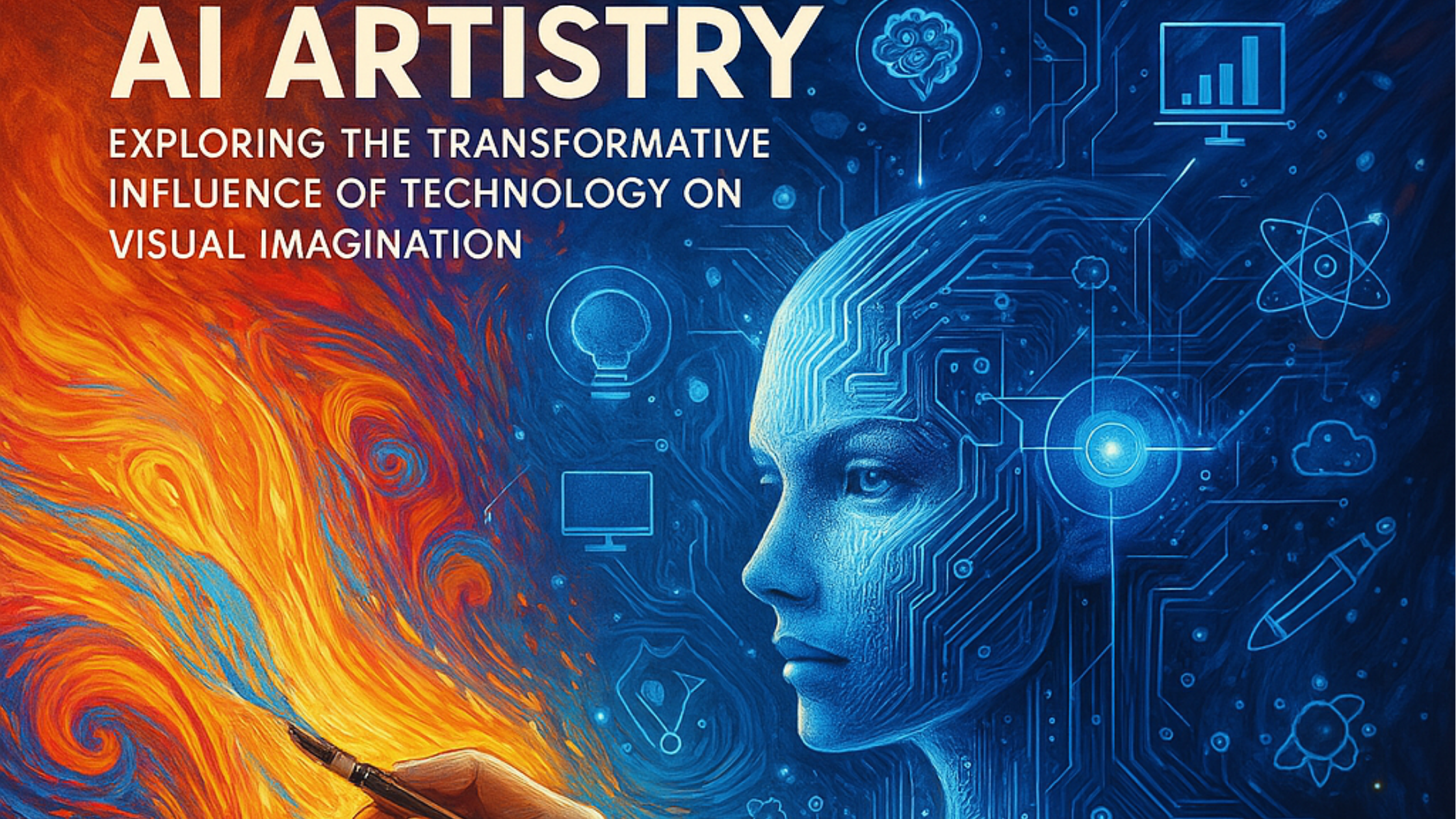
The intersection of art and technology has long been a fertile ground for innovation, creativity, and exploration. As we stand on the brink of a new era defined by artificial intelligence (AI), the realm of visual storytelling is undergoing a profound transformation. AI art, in particular, is not merely a novel trend but a continuation of a rich historical lineage that includes generative and computational art. By tracing this lineage, we can better appreciate how AI art is reshaping our understanding of creativity, authorship, and the very nature of art itself.
The Genesis of Algorithmic Art
The roots of generative art can be traced back to the mid-20th century, with pioneers such as Frieder Nake, Harold Cohen, and Vera Molnár. These artists began to explore the potential of algorithms to create visual works, laying the groundwork for a new form of artistic expression. Nake’s early experiments with computer-generated visual forms in the 1960s demonstrated how mathematical algorithms could produce aesthetically engaging images. Unlike traditional art forms, which often relied on the artist’s hand and intuition, algorithmic art introduced the concept of the machine as a collaborator.
This divergence from traditional methods marked a significant turning point in the art world. Artists began to recognize the potential for machines to generate complex patterns and forms that could challenge conventional notions of creativity. The algorithm became a tool for exploration, allowing artists to engage with randomness and structure in ways that were previously unimaginable. As we look at AI art today, we see a direct line of influence from these early algorithmic pioneers, who first embraced the idea of the computer as an artistic partner.
The Influence of Cybernetics
As the field of art evolved, so too did the technologies that informed it. The rise of cybernetics in the 1960s and 1970s introduced a new way of thinking about systems, feedback loops, and communication. Artists like Nam June Paik and Gordon Pask began to incorporate cybernetic principles into their work, creating interactive installations that blurred the lines between the observer and the observed. This shift was significant; it emphasized the role of the viewer as an active participant in the artistic experience.
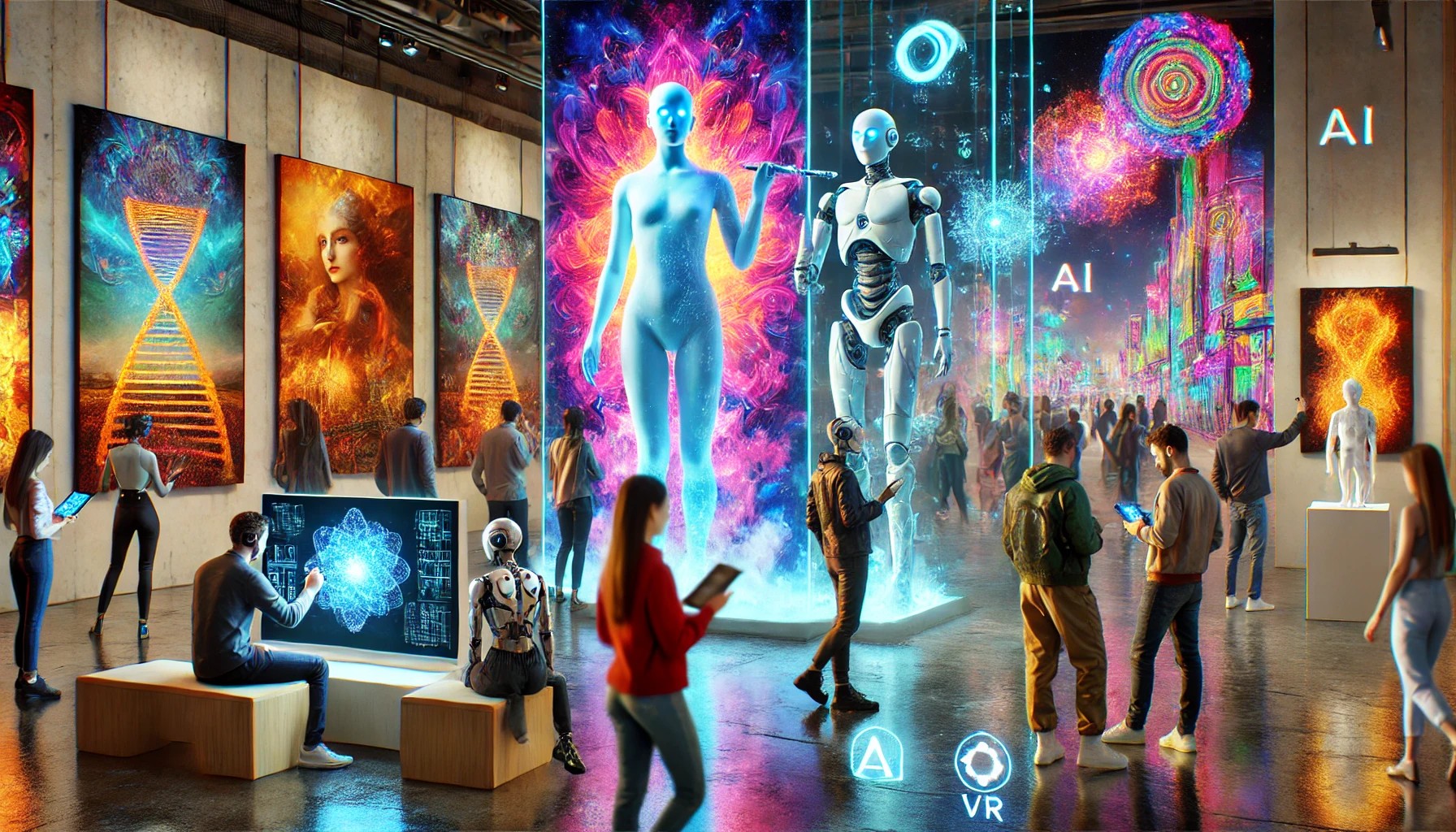
Cybernetics’ emphasis on feedback and interactivity has profound implications for AI art. Modern AI systems, particularly those based on machine learning, rely on vast datasets and iterative processes to generate new works. This creates a dynamic relationship between the artist, the machine, and the audience. The viewer’s interaction with AI-generated art can influence the output, leading to a collaborative experience that echoes the cybernetic principles of feedback and adaptation. In this way, AI art can be seen as a continuation of the cybernetic exploration of art, expanding the boundaries of collaboration and interaction.
Divergence from Previous Generative Methods
While generative art has a rich history, the advent of AI introduces a fundamental shift in how art is created and perceived. Traditional generative methods often relied on predefined algorithms and rules set by the artist. In contrast, AI art leverages machine learning to analyze vast amounts of data, allowing it to learn and evolve independently. This distinction raises important questions about authorship and creativity.
The ability of AI to generate works that are indistinguishable from those created by human artists poses challenges to our understanding of artistic intent. Unlike earlier generative artists who explicitly programmed their systems, AI systems often operate as black boxes, producing results that can surprise even their creators. This unpredictability can lead to a richer exploration of artistic themes, as AI-generated works may reveal patterns and connections that human artists might not have considered.
Moreover, AI’s capacity to mimic various artistic styles and genres allows for a new form of visual storytelling that transcends traditional boundaries. Artists can now draw upon an extensive range of influences, creating hybrid works that reflect a diverse array of cultural and historical contexts. This fluidity sets AI art apart from previous generative methods, as it embraces a more expansive and inclusive approach to creativity.
Conclusion: AI Art’s Place in Art History
As we reflect on the historical lineage of generative and computational art, it becomes clear that AI art is not an isolated phenomenon but rather a continuation of a long-standing dialogue between art and technology. From the early algorithmic pioneers to the cybernetic artists who embraced interactivity, each step along the way has contributed to the rich tapestry of visual storytelling.
AI art represents a significant evolution in this tradition, challenging our perceptions of creativity, authorship, and the role of the artist. As we move forward, it is essential to recognize the potential of AI not only as a tool for creation but also as a catalyst for new forms of expression and engagement. In doing so, we can appreciate AI art’s place in the broader context of art history, as it continues to redefine the landscape of visual storytelling for generations to come.