





Harnessing AI Technology: Transformative Innovations Reshaping Industries and Daily Life
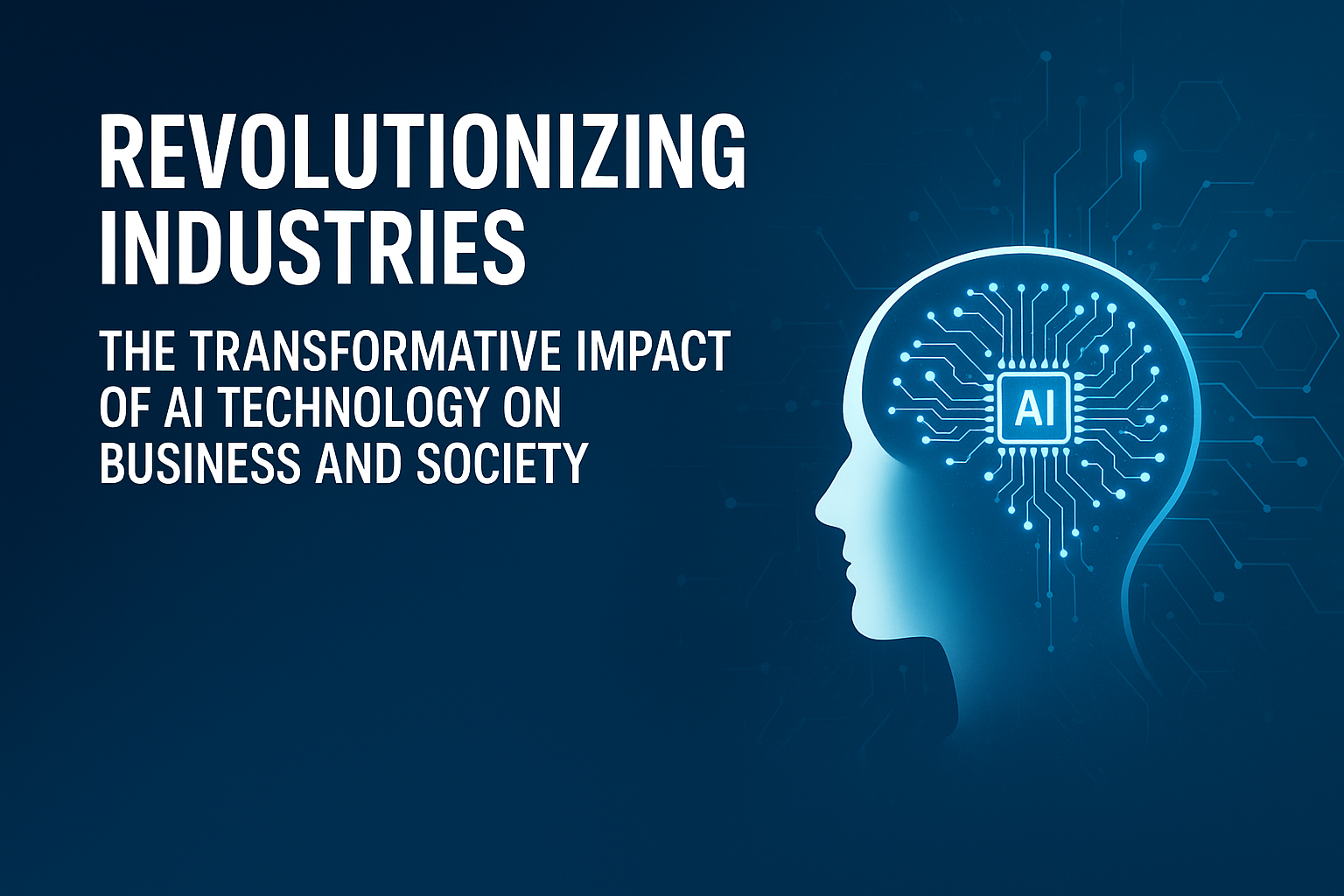
Artificial Intelligence (AI) has emerged as a transformative force, reshaping industries and redefining daily life. From healthcare to finance, AI technologies are enhancing efficiencies, driving innovations, and creating new paradigms for interaction. Among the myriad of advancements, the evolution of neural networks stands out as a pivotal development. By examining this specific aspect of AI technology, we can glean insights into how these innovations have not only revolutionized computational capabilities but also significantly impacted various sectors.
The Evolution of Neural Networks
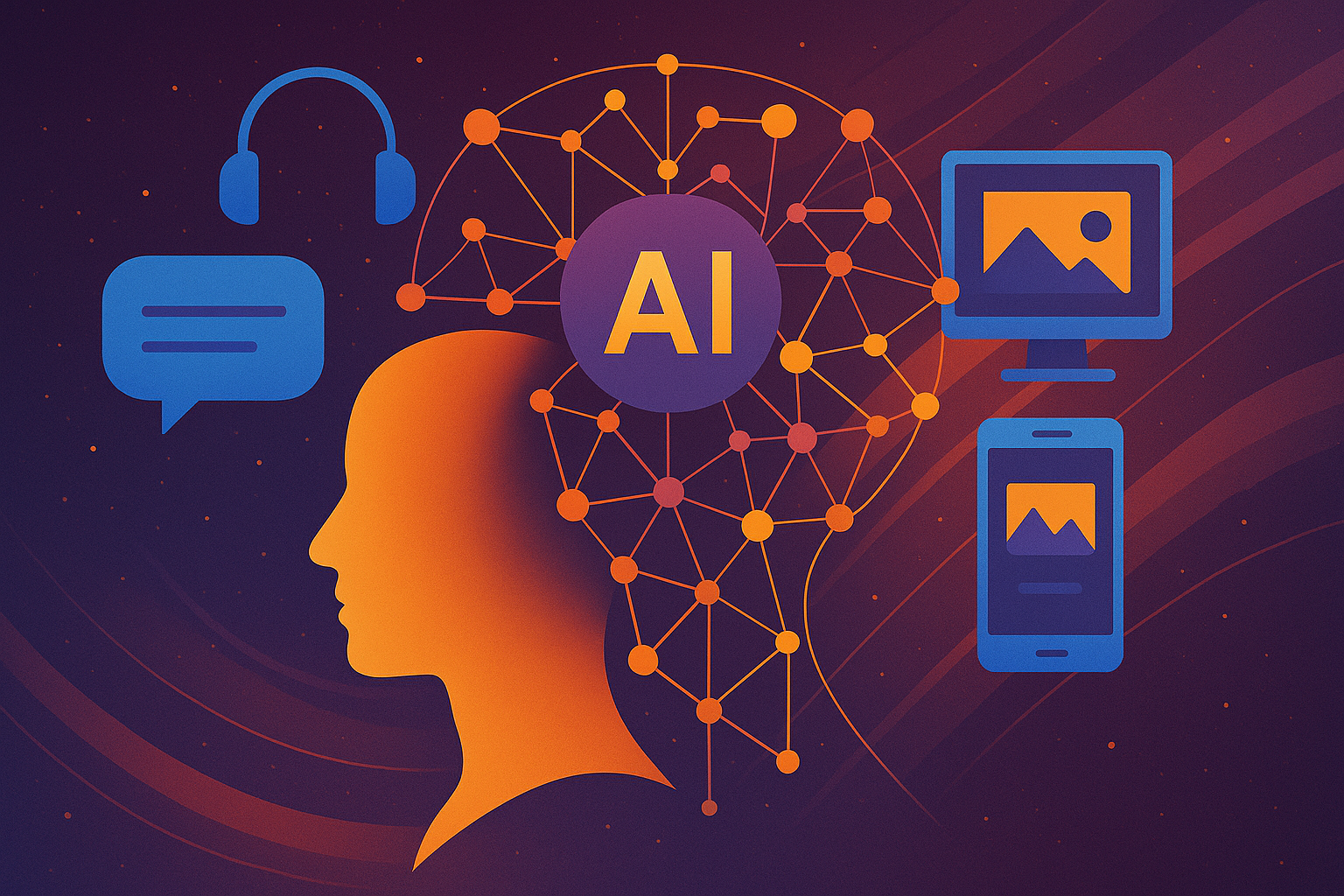
Neural networks, inspired by the human brain’s architecture, have undergone a remarkable evolution since their inception. Initially conceptualized in the 1950s, these computational models were limited in scope and effectiveness. The early iterations, known as perceptrons, struggled with complex tasks due to their simplistic structure and the lack of computational power.
In the 1980s, significant breakthroughs were made with the introduction of backpropagation, a technique that allowed networks to learn from errors. This advancement paved the way for multi-layer networks, or deep neural networks (DNNs), which could handle more complex data and tasks. The real game-changer, however, came in the 2010s with the convergence of several factors: the availability of vast amounts of data, advancements in computing power, and the development of sophisticated algorithms. These elements collectively propelled neural networks into the spotlight, enabling them to outperform traditional machine learning methods across numerous applications.
Big Data: The Fuel for Neural Networks
The relationship between neural networks and big data is symbiotic. The effectiveness of neural networks relies heavily on the availability of large datasets, which serve as the training ground for these models. With the exponential growth of data generated from various sources—social media, IoT devices, and online transactions—neural networks have become increasingly adept at extracting meaningful patterns and insights.
In sectors like healthcare, big data analytics powered by neural networks can lead to breakthroughs in diagnostics and treatment personalization. For instance, deep learning models can analyze medical imaging data to detect anomalies such as tumors with remarkable accuracy. By leveraging vast datasets of patient records, these models can also predict disease progression and recommend tailored treatment plans, ultimately improving patient outcomes.
Moreover, in the realm of finance, companies utilize neural networks to analyze transaction data for fraud detection and risk assessment. The ability to process and learn from large volumes of data allows these networks to identify unusual patterns that may indicate fraudulent activities, thereby enhancing security measures and protecting consumers.
Breakthroughs in Reinforcement Learning
Another significant aspect of neural networks is their integration with reinforcement learning (RL), a paradigm that enables machines to learn optimal behaviors through trial and error. This approach has led to groundbreaking advancements in various fields, particularly in robotics and gaming.
Reinforcement learning, when combined with deep neural networks, has given rise to Deep Reinforcement Learning (DRL). This powerful methodology has achieved remarkable feats, such as mastering complex games like Go and Dota 2, often surpassing human capabilities. For instance, Google’s DeepMind developed AlphaGo, which defeated world champions in Go, a game known for its complexity and strategic depth. Such achievements not only demonstrate the potential of DRL but also highlight its applicability in real-world scenarios.
In robotics, DRL is being employed to teach machines how to navigate environments, perform tasks, and interact with humans. From autonomous vehicles to robotic arms in manufacturing, the applications of reinforcement learning are vast. These systems can learn from their experiences, adapting to new challenges and improving their performance over time.
The Impact on Daily Life
The integration of neural networks into everyday applications has profoundly impacted how individuals interact with technology. Voice assistants like Amazon’s Alexa and Apple’s Siri leverage neural networks to understand and respond to natural language, making technology more accessible. These AI-driven systems continuously learn from user interactions, improving their accuracy and responsiveness over time.
Furthermore, personalized recommendations on platforms like Netflix and Spotify are powered by neural networks analyzing user behavior and preferences. This level of personalization enhances user experience, making content discovery more intuitive and enjoyable.
In retail, AI-driven chatbots provide customer support, answering queries and assisting with purchases, thus streamlining the shopping experience. These applications not only save time for consumers but also reduce operational costs for businesses.
Conclusion
The evolution of neural networks represents a cornerstone in the advancement of AI technology, driving transformative innovations across industries and enhancing daily life. By harnessing the power of big data and integrating reinforcement learning methodologies, neural networks have unlocked unprecedented capabilities, from healthcare breakthroughs to personalized consumer experiences. As we continue to explore and expand the potential of AI, it is crucial to remain mindful of ethical considerations and the implications of these technologies on society.
The journey of neural networks is far from over. As research progresses and new techniques emerge, the future promises even more groundbreaking advancements, reshaping not only industries but the very fabric of our daily lives.