



Expanding Horizons: The Role of Multimodal AI in Shaping Future Interactions and Experiences
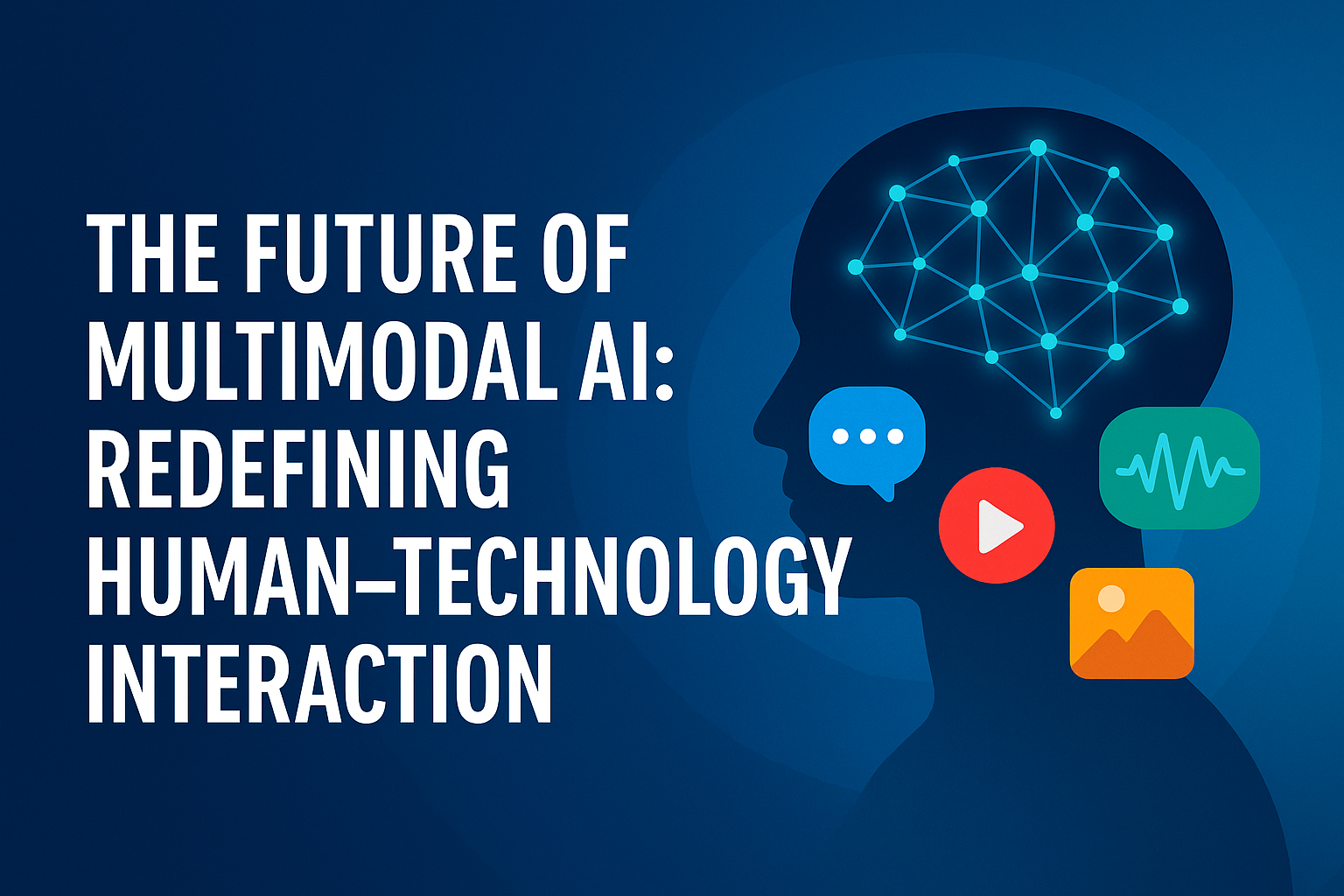
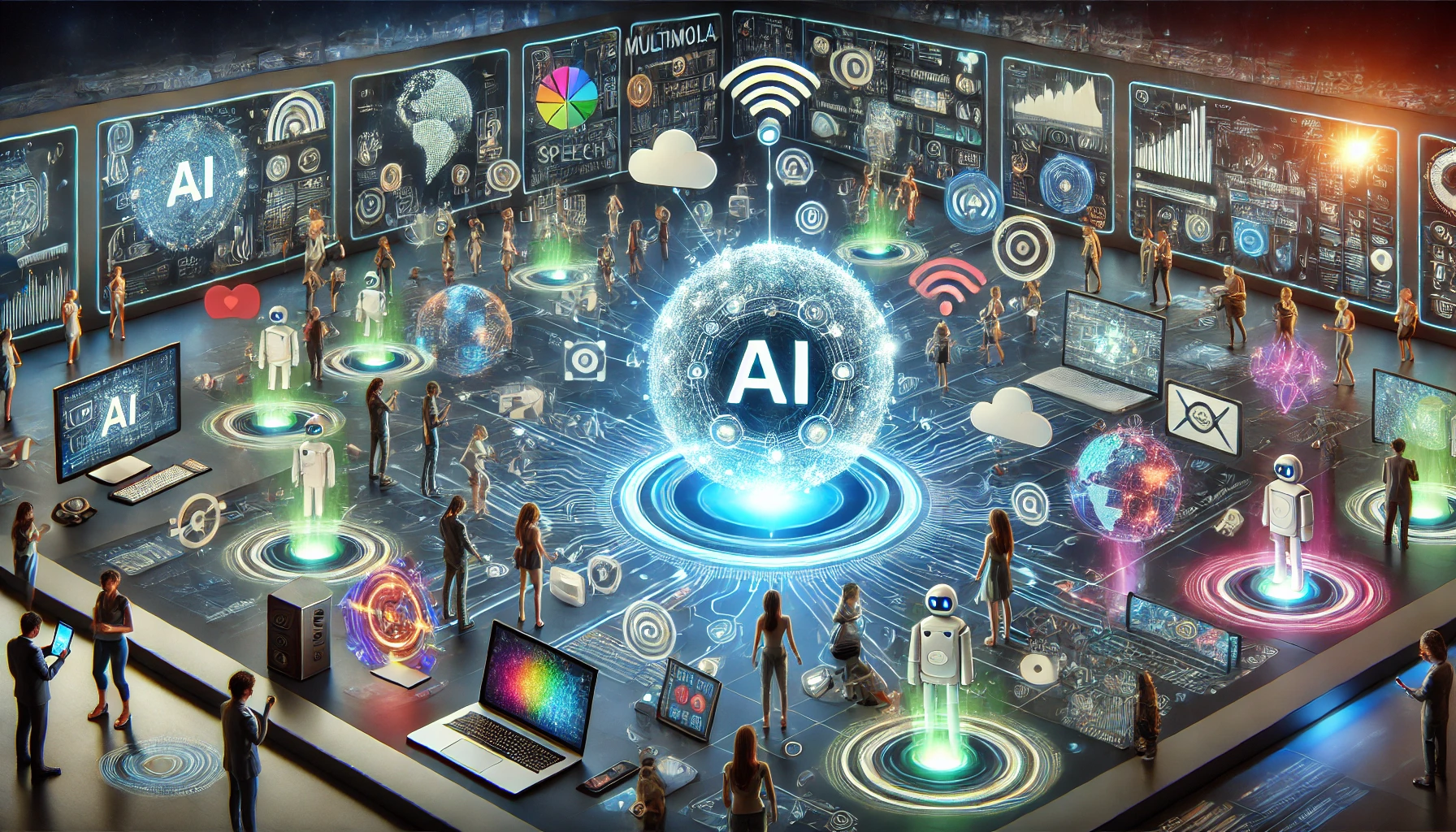
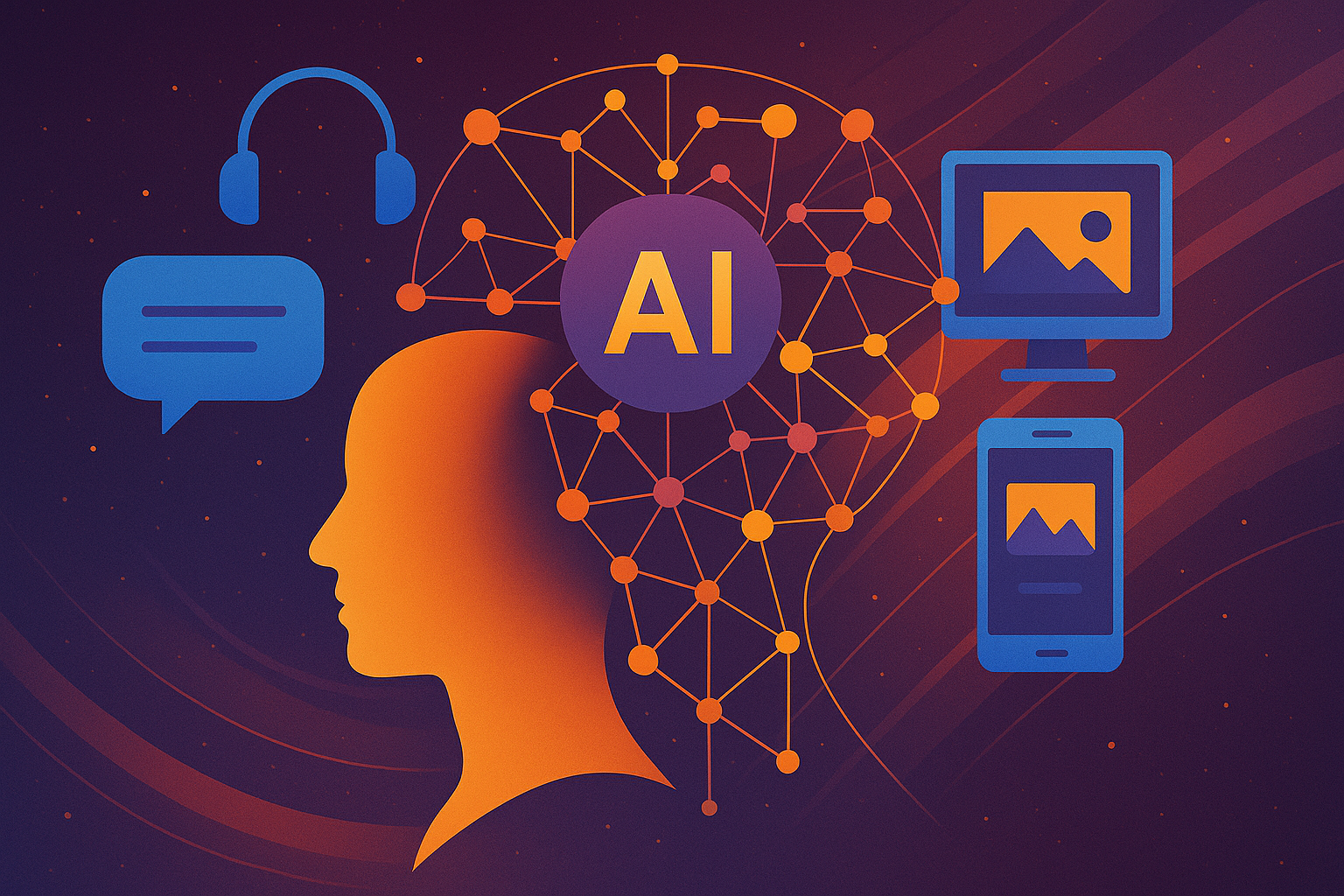
The rapid evolution of artificial intelligence (AI) has ushered in an era where machines can process and understand information across multiple modalities. This capability, known as multimodal AI, allows systems to integrate data from various sources such as text, images, audio, and video, creating a more holistic understanding of the world. As we venture further into this exciting domain, it becomes imperative to explore how multimodal AI is redefining human-computer interactions and enhancing user experiences across diverse applications.
Understanding Multimodal AI
At its core, multimodal AI refers to the ability of AI systems to analyze and interpret data from different modalities simultaneously. Traditional AI models have primarily focused on single modalities, such as text or images. However, the integration of multiple modalities enables a more nuanced understanding of context and meaning. For instance, a multimodal model can analyze an image alongside descriptive text to generate insights that neither modality could provide alone.
One of the key advantages of multimodal AI is its ability to mimic human cognitive processes. Humans naturally integrate information from various senses to form a comprehensive understanding of their environment. By emulating this capability, multimodal AI systems can improve their accuracy and relevance in tasks such as image captioning, visual question answering (VQA), and sentiment analysis.
Vision and Language: The Power Duo
The interplay between vision and language represents one of the most prominent applications of multimodal AI. Vision-language models, such as CLIP (Contrastive Language-Image Pretraining) and DALL-E, have gained significant attention for their ability to connect visual content with textual descriptions. These models leverage vast datasets that pair images with corresponding captions, allowing them to learn intricate relationships between visual features and linguistic elements.
For example, in image captioning tasks, a multimodal AI can generate descriptive captions for images by understanding the objects, actions, and settings depicted. This capability has profound implications for accessibility, enabling visually impaired users to engage with visual content through descriptive audio. Moreover, it enhances content creation in fields like marketing and social media, where compelling visual narratives are crucial for audience engagement.
Visual question answering (VQA) is another exciting area within the vision-language domain. In VQA, users pose questions about an image, and the AI system must provide accurate answers based on the visual content. This task requires a deep understanding of both the image and the question, showcasing the model’s ability to integrate and reason across modalities. Applications range from interactive educational tools to assistive technologies that empower users to interact with visual data more effectively.
Key Applications and Impacts
The implications of multimodal AI extend beyond mere technological advancements; they have the potential to reshape various industries and enhance user experiences. In healthcare, for instance, multimodal AI can analyze medical images alongside patient records and clinical notes to assist in diagnosis and treatment planning. By synthesizing information from diverse sources, healthcare professionals can make more informed decisions, ultimately improving patient outcomes.
In the realm of entertainment, multimodal AI is revolutionizing content consumption and creation. Streaming platforms are increasingly utilizing AI to recommend movies and shows based on users’ viewing habits, preferences, and even social media interactions. By analyzing visual and textual data, these platforms can curate personalized experiences that resonate with individual tastes, fostering deeper engagement.
Moreover, the integration of multimodal AI in customer service is transforming how businesses interact with their clients. Virtual assistants equipped with multimodal capabilities can understand and respond to customer inquiries more effectively, using both voice recognition and visual cues. This leads to more natural and intuitive interactions, enhancing customer satisfaction and loyalty.
Model Architectures Driving Multimodal AI
The effectiveness of multimodal AI hinges on the architectures employed to process and integrate diverse data types. Several innovative models have emerged, each designed to tackle the challenges of multimodal learning.
Transformers, for instance, have become the backbone of many state-of-the-art multimodal systems. Their ability to handle sequential data makes them particularly well-suited for tasks that require understanding context across modalities. Models like ViLT (Vision-and-Language Transformer) leverage transformers to process images and text simultaneously, allowing for efficient cross-modal interactions.
Another notable architecture is the use of attention mechanisms, which enable models to focus on relevant parts of the input data. This capability is crucial in tasks like VQA, where the model must discern which aspects of an image are pertinent to answering a specific question. Attention mechanisms enhance the model’s ability to reason and generate contextually relevant outputs.
Furthermore, the advent of pre-trained models has accelerated progress in multimodal AI. By fine-tuning these models on domain-specific datasets, researchers can achieve remarkable performance with relatively limited training data. This approach has democratized access to advanced multimodal capabilities, allowing smaller organizations and researchers to harness the power of AI without extensive computational resources.
Conclusion
The emergence of multimodal AI marks a significant milestone in the evolution of artificial intelligence. By integrating diverse data types, these systems are not only enhancing user interactions but also transforming industries and creating new possibilities for innovation. As we continue to explore the potential of multimodal AI, it is essential to consider the ethical implications and ensure that these technologies are developed responsibly.
As we look to the future, the role of multimodal AI will undoubtedly expand, offering new avenues for creativity, accessibility, and collaboration. The journey has just begun, and the horizon is filled with exciting opportunities for those willing to embrace the transformative power of multimodal capabilities.