Introduction
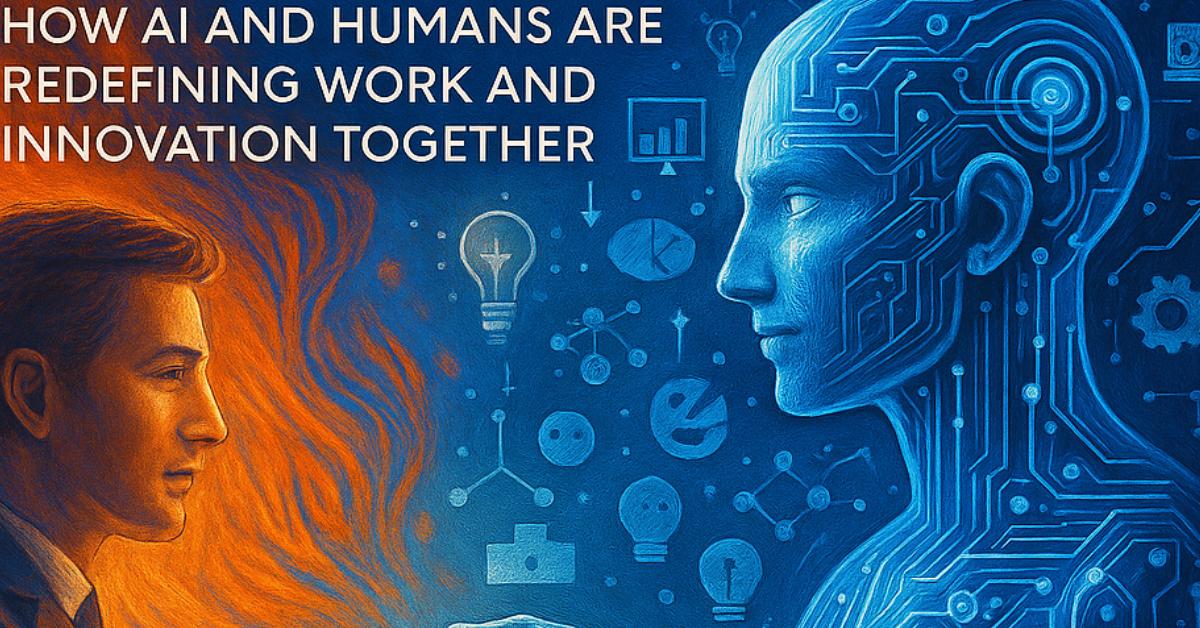
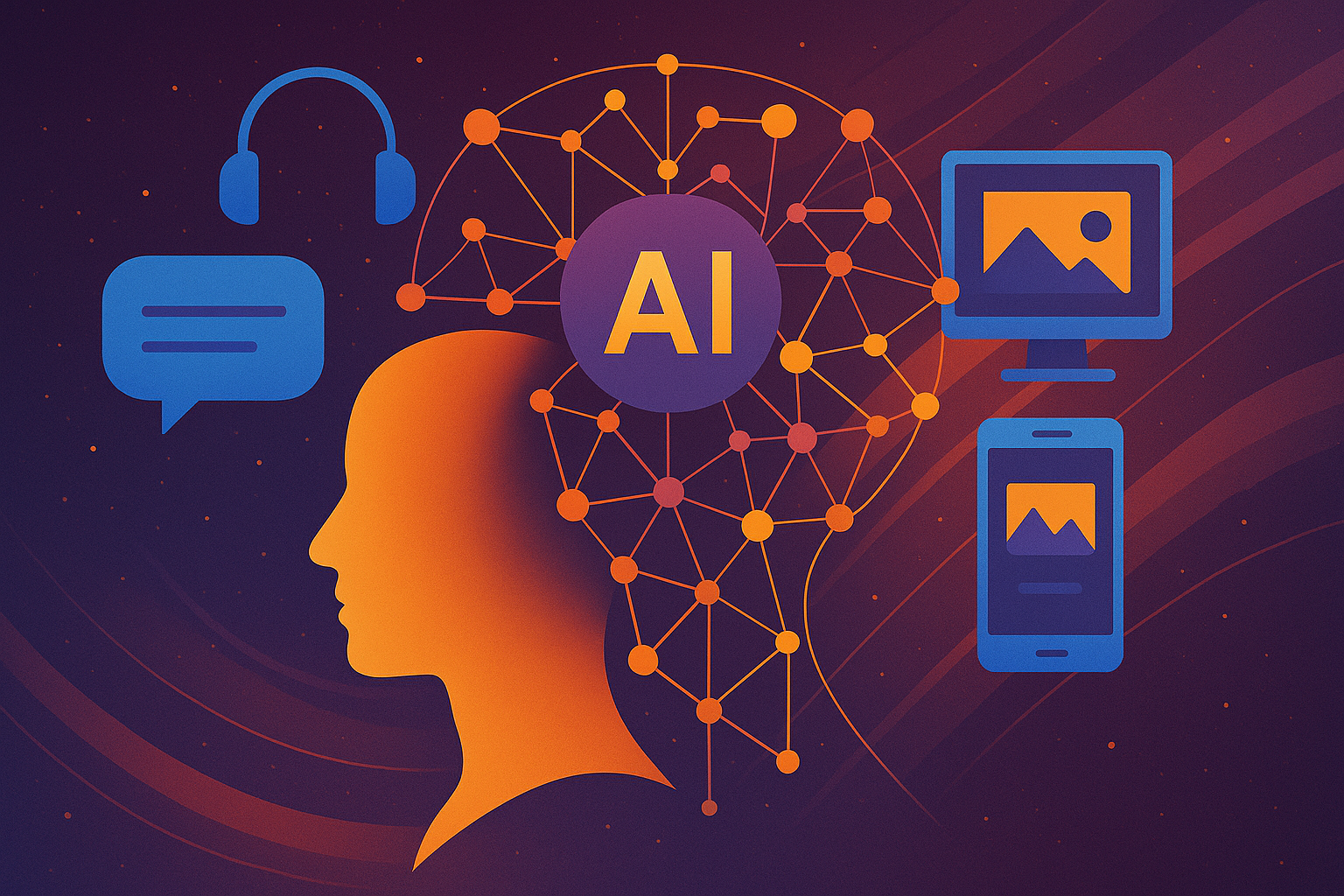
As we stand on the precipice of a technological revolution, the collaboration between artificial intelligence (AI) and humans has emerged as a pivotal force in driving innovation across various sectors. This synergy is not merely a futuristic concept but an evolving reality that is reshaping the workforce, enhancing productivity, and fostering creativity in ways previously thought impossible. In this article, we will explore the collaboration models between AI and humans, focusing specifically on the realm of creative industries. We will investigate how AI can augment human creativity, the skills required for effective collaboration, and the implications for future innovations.
The Evolving Landscape of Creative Industries
In creative industries such as art, music, and design, the integration of AI tools has revolutionized how creators approach their work. Traditionally, creativity was seen as an inherently human trait, characterized by intuition, emotion, and originality. However, the advent of AI has introduced a new paradigm where machines can assist in the creative process, offering unique perspectives and capabilities.
AI-driven tools can analyze vast datasets, identify patterns, and generate content that can serve as inspiration for human creators. For instance, algorithms can create music compositions by learning from established genres and styles, enabling musicians to explore new sonic territories. Similarly, AI can assist visual artists by generating design concepts or even creating entire pieces based on specific parameters set by the artist. This collaboration allows human creators to focus on higher-level decision-making and emotional resonance, while AI handles repetitive tasks and data analysis.
Collaboration Models: Augmentation vs. Automation
As the relationship between AI and human creativity evolves, it is essential to distinguish between two primary collaboration models: augmentation and automation:
a) Augmentation
Augmentation refers to the enhancement of human capabilities through AI tools. In this model, AI acts as a collaborator, providing insights and suggestions that empower creators to push the boundaries of their work. For example, graphic designers can utilize AI-powered software that suggests color palettes, typography, and layouts based on current design trends. This not only speeds up the creative process but also allows designers to experiment with ideas they may not have considered.
Moreover, in fields like writing and content creation, AI tools can assist authors by generating outlines, suggesting plot twists, or even crafting entire paragraphs based on the writer’s style. This collaborative approach fosters an environment where human creativity is amplified rather than replaced.
b) Automation
On the other hand, automation involves the use of AI to perform tasks traditionally executed by humans. While this model can lead to increased efficiency, it raises concerns about job displacement and the loss of creative jobs. For instance, AI-generated art has sparked debates over the authenticity and value of human-created works. As AI becomes more proficient at generating content, the line between human and machine creativity blurs.
However, it is crucial to recognize that automation does not necessarily spell doom for creative professions. Instead, it can lead to the emergence of new roles that focus on managing and curating AI-generated content. Creative directors, for instance, may find themselves overseeing AI systems that generate designs, ensuring that the final output aligns with the desired vision and emotional impact.
Skills for the Future: Navigating the AI-Human Collaboration
To thrive in a world where AI and human collaboration is the norm, individuals must cultivate a unique set of skills that complement AI capabilities. These skills encompass both technical and soft skills, enabling effective communication and collaboration between humans and machines.
Technical Skills
Proficiency in AI tools and technologies is becoming increasingly important across creative sectors. Understanding how to leverage AI for data analysis, content generation, and design can significantly enhance a creator’s ability to innovate. Familiarity with programming languages or data analytics tools can provide a competitive edge, allowing creatives to harness the full potential of AI in their work.
Soft Skills
Equally important are the soft skills that facilitate collaboration. Creativity, critical thinking, and emotional intelligence are essential for navigating the complexities of AI-human partnerships. As AI takes over more routine tasks, the ability to think creatively and approach problems from unique angles will set individuals apart. Additionally, strong communication skills are vital for articulating ideas and feedback, ensuring that the collaboration between humans and AI remains productive and aligned with creative objectives.
Conclusion
The future of innovation lies in the collaborative synergy between AI and humans, particularly in creative industries. By embracing AI as a partner rather than a competitor, creators can unlock new avenues for exploration and expression. The models of augmentation and automation present unique opportunities and challenges, prompting a reevaluation of the skills required for success in a rapidly evolving landscape.
As we move forward, it is imperative for individuals and organizations to prioritize the development of both technical and soft skills that foster effective collaboration with AI. By doing so, we can shape a future where human creativity and machine intelligence coexist harmoniously, driving unprecedented innovations that enrich our lives and redefine the boundaries of possibility.