


Exploring the Future of Multimodal AI: Enhancing Interaction Across Diverse Information Channels
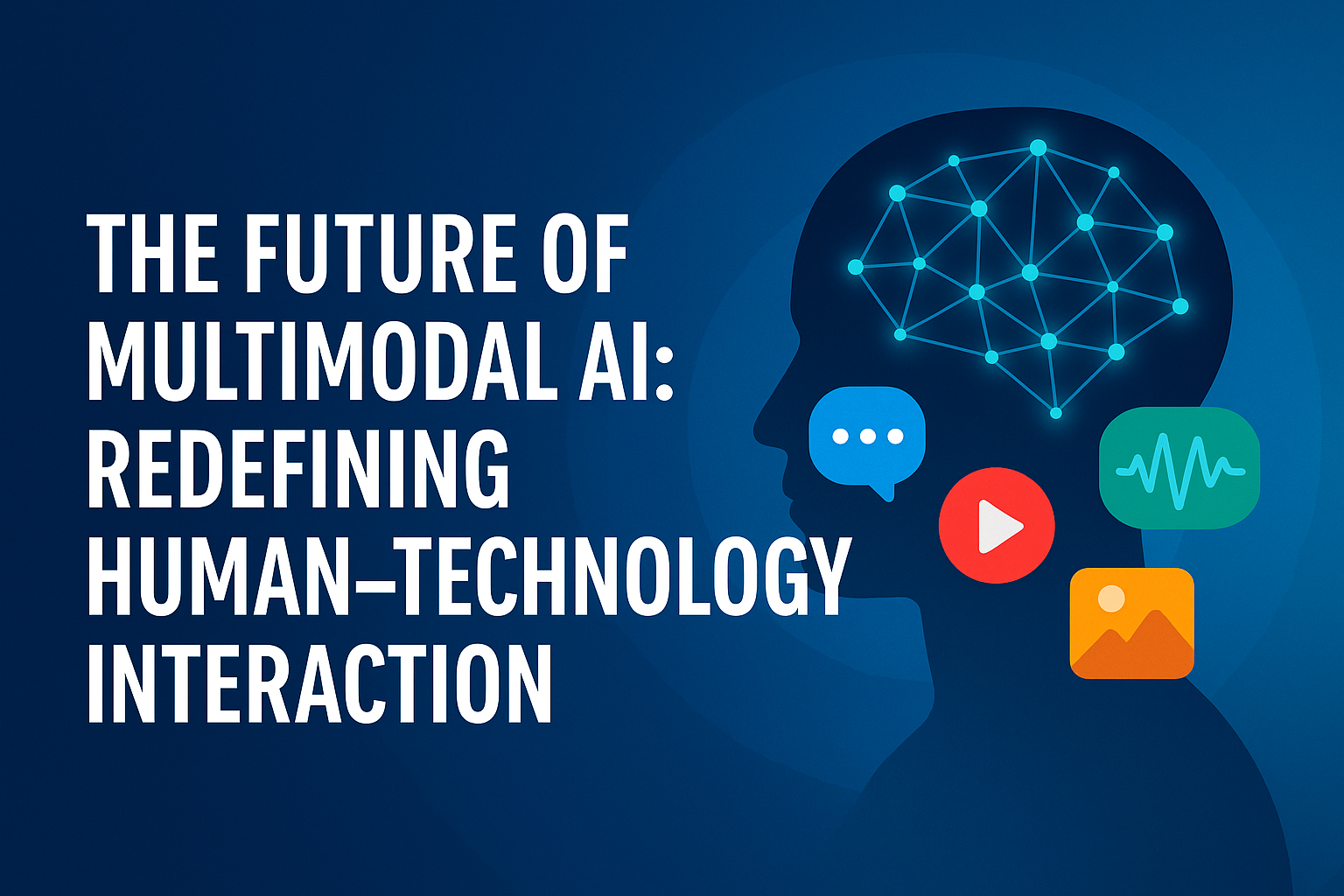
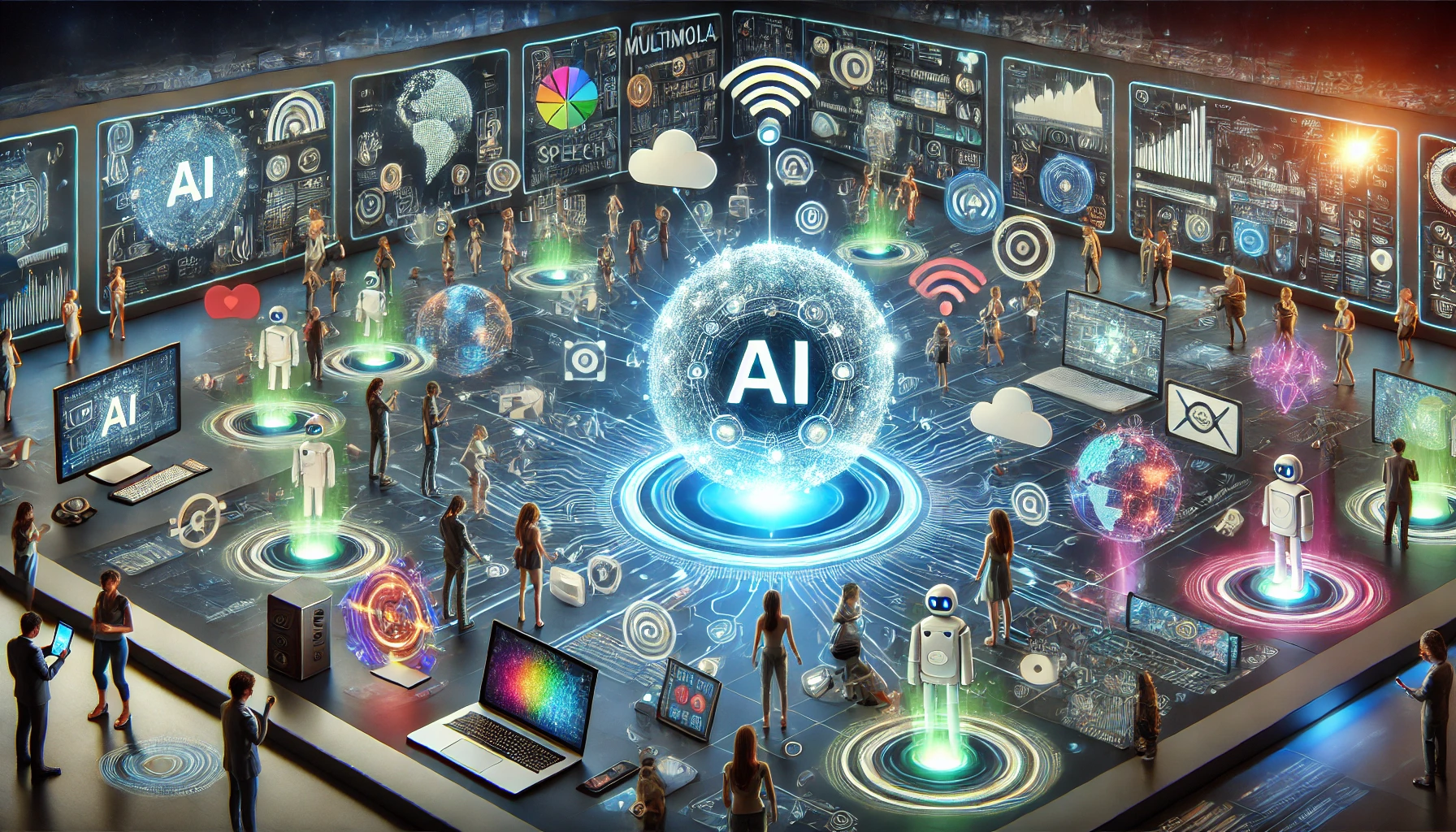
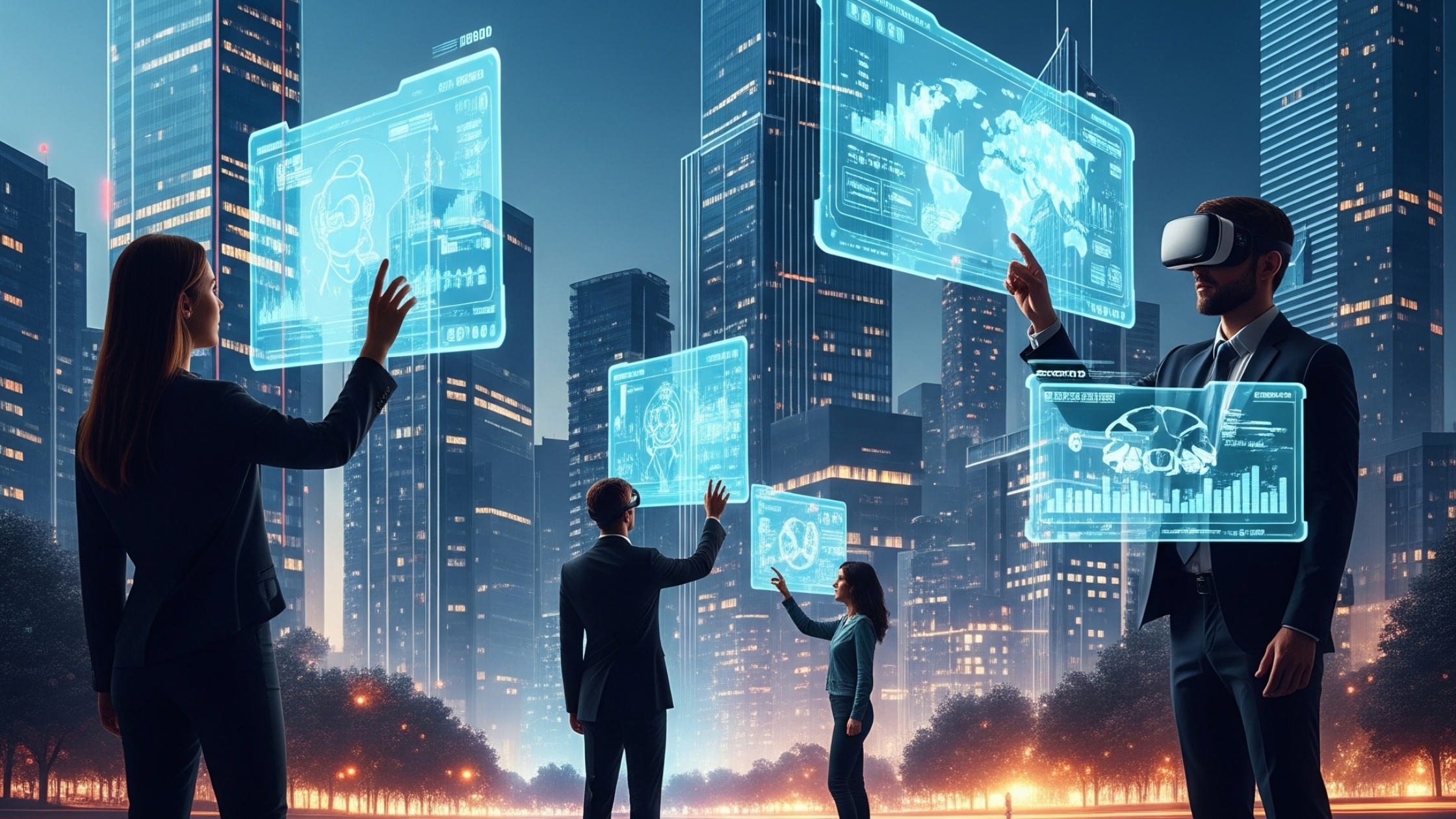
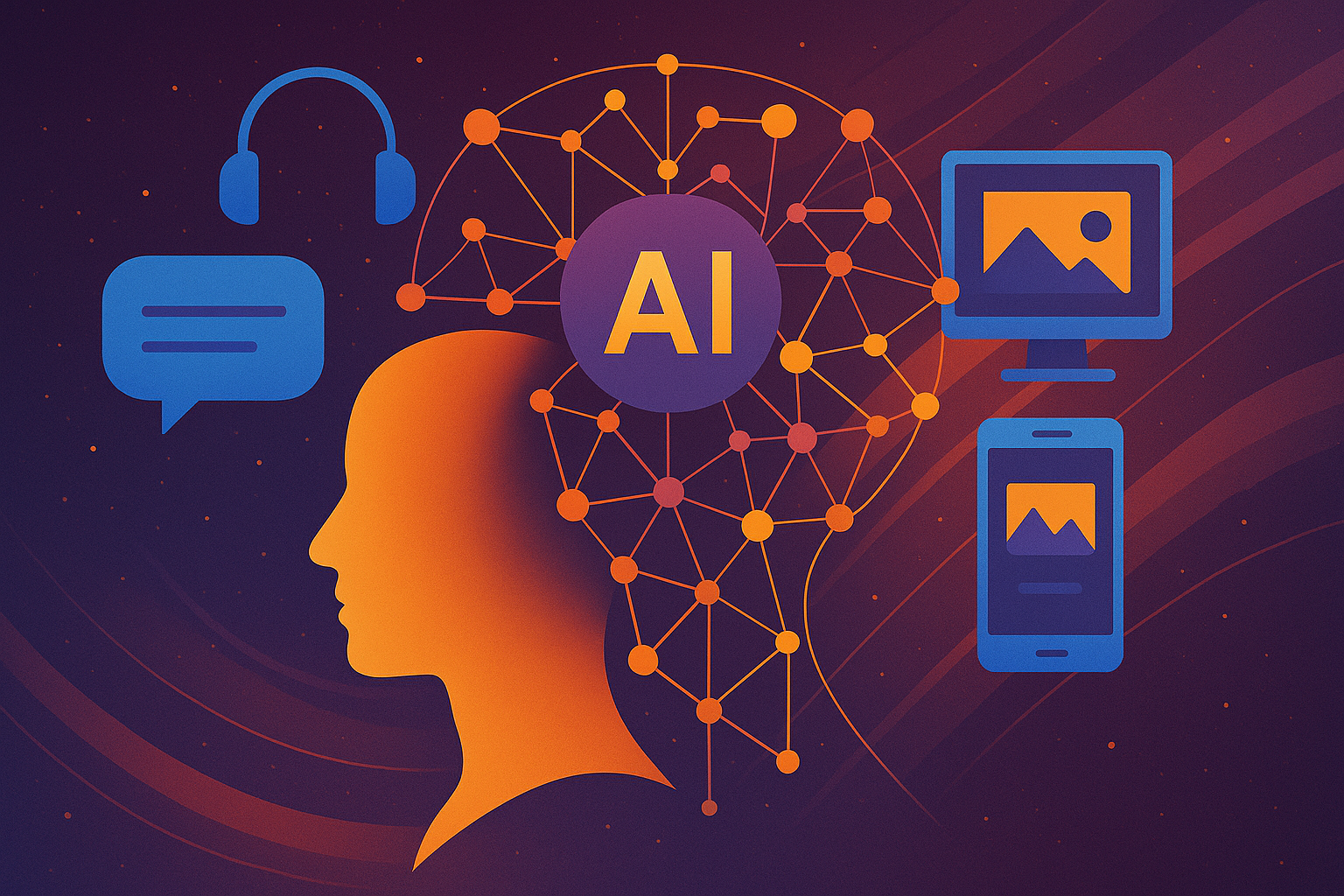
In an era where technology is evolving at a breakneck pace, the concept of multimodal AI is emerging as a transformative force in the field of artificial intelligence. This innovative approach enables computers to process and understand information from various sources—text, images, audio, and video—simultaneously. As we delve deeper into the future of multimodal AI, we uncover its potential to enhance interaction across diverse information channels, revolutionizing how we engage with technology and each other.
Understanding Multimodal AI
To appreciate the significance of multimodal AI, it is essential to grasp its foundational principles. At its core, multimodal AI integrates multiple modes of data to provide a more holistic understanding of context and meaning. Traditional AI systems often rely on a single type of input, such as text or images, limiting their ability to interpret complex scenarios. In contrast, multimodal AI synthesizes information from various channels, allowing for a richer, more nuanced interaction.
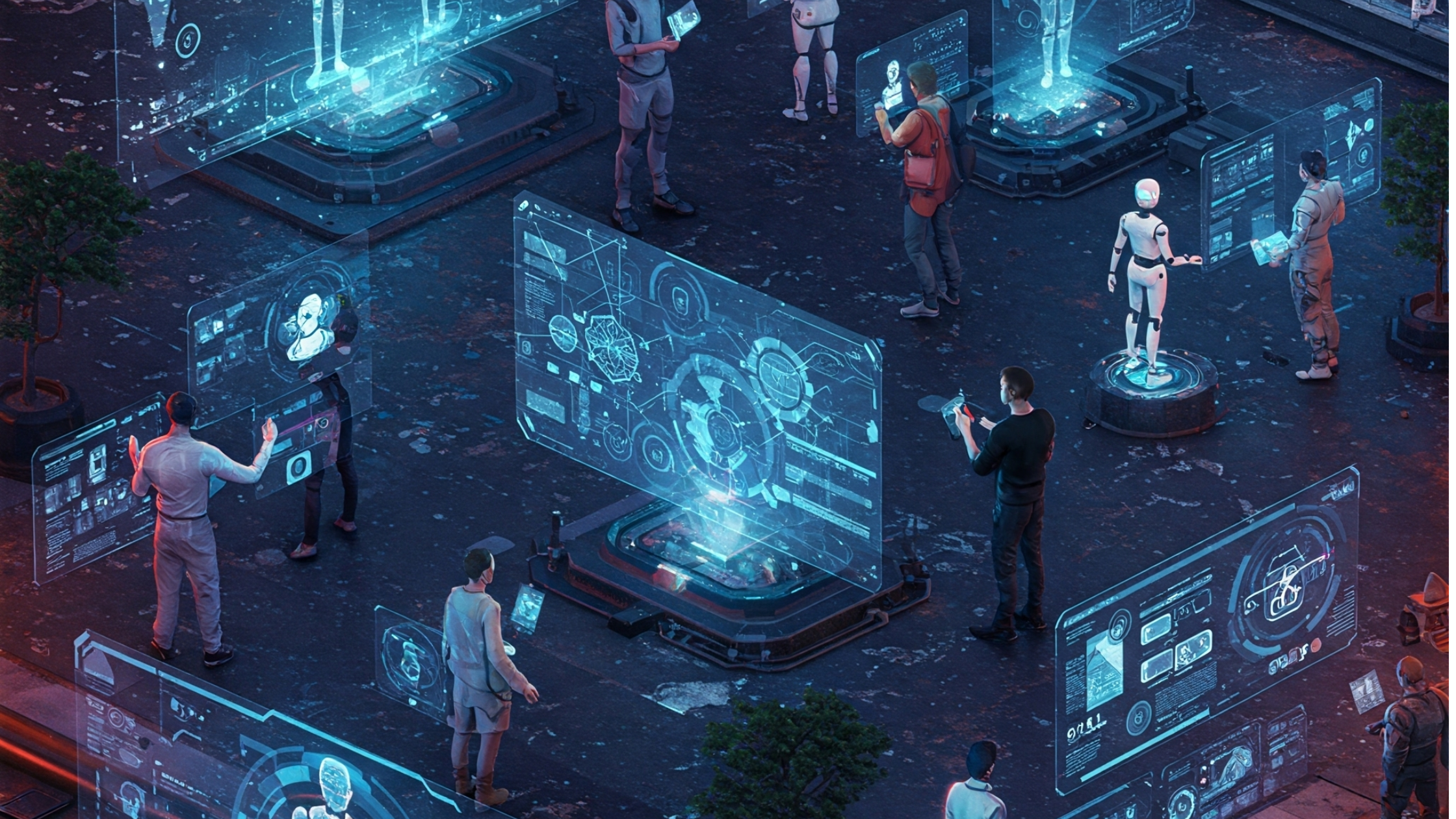
For instance, consider a virtual assistant capable of interpreting spoken commands while simultaneously analyzing visual inputs from a camera. Such a system can provide context-aware responses, making interactions more intuitive and effective. The underlying technology often involves deep learning algorithms that can analyze and correlate disparate data types, enhancing the AI’s ability to understand human behavior and intent.
Applications of Multimodal AI
The applications of multimodal AI are vast and varied, spanning numerous industries and sectors. One of the most promising areas is healthcare, where multimodal systems can analyze patient data, including medical images, lab results, and clinical notes, to provide more accurate diagnoses and treatment recommendations. By integrating visual data from X-rays or MRIs with textual information from patient records, healthcare professionals can make more informed decisions.
In the realm of education, multimodal AI can create personalized learning experiences. For example, an intelligent tutoring system could assess a student’s written responses, analyze their facial expressions through video, and adapt its teaching style accordingly. This level of customization not only enhances engagement but also improves learning outcomes by catering to individual needs.
Moreover, the entertainment industry is leveraging multimodal AI to enhance user experiences. Streaming platforms utilize these technologies to analyze viewing habits, preferences, and social media interactions, allowing them to recommend content that resonates with users on multiple levels. By understanding both the textual and visual aspects of user interactions, these platforms can create a more immersive and enjoyable experience.
Challenges in Developing Multimodal AI
Despite its potential, the development of multimodal AI is fraught with challenges. One significant hurdle is the integration of diverse data types. Each modality—text, image, audio—has its own unique characteristics and requirements for processing. Developing algorithms that can seamlessly fuse these modalities into a coherent understanding is a complex task that requires sophisticated techniques and significant computational resources.
Another challenge lies in the availability and quality of data. Multimodal AI systems require large datasets that encompass various modalities to learn effectively. However, collecting and curating such datasets can be time-consuming and expensive. Additionally, issues related to data privacy and security must be addressed, particularly when dealing with sensitive information in fields like healthcare and finance.
Finally, there are ethical considerations surrounding the deployment of multimodal AI. As these systems become more integrated into daily life, concerns regarding bias, transparency, and accountability must be addressed. Ensuring that multimodal AI systems operate fairly and ethically is crucial to gaining public trust and fostering widespread adoption.
The Future of Multimodal AI
Looking ahead, the future of multimodal AI appears promising, with advancements in technology set to overcome many of the current challenges. As machine learning algorithms continue to evolve, we can expect improvements in the integration of diverse data types. Researchers are exploring innovative approaches, such as transformer models, which have shown great potential in processing multimodal inputs effectively.
Furthermore, the democratization of AI tools will likely accelerate the development of multimodal applications. As more developers gain access to powerful AI frameworks and pre-trained models, the creation of multimodal systems will become more accessible, spurring innovation across various sectors.
Finally, fostering collaboration between technologists, ethicists, and policymakers will be crucial in shaping the ethical landscape of multimodal AI. By establishing guidelines and best practices, we can ensure that these systems are developed and deployed responsibly, maximizing their benefits while minimizing potential harms.
Conclusion
In conclusion, multimodal AI represents a significant leap forward in our ability to interact with technology across diverse information channels. By integrating various data types, these systems can provide richer, more nuanced experiences that enhance communication, learning, and decision-making. While challenges remain, the future of multimodal AI holds immense potential to transform industries and improve our daily lives. As we continue to explore this exciting frontier, it is essential to prioritize ethical considerations and foster collaboration to ensure that the benefits of multimodal AI are realized for all.