




The Impact of AI Technology on Society: Innovations Shaping Our Future and Daily Lives
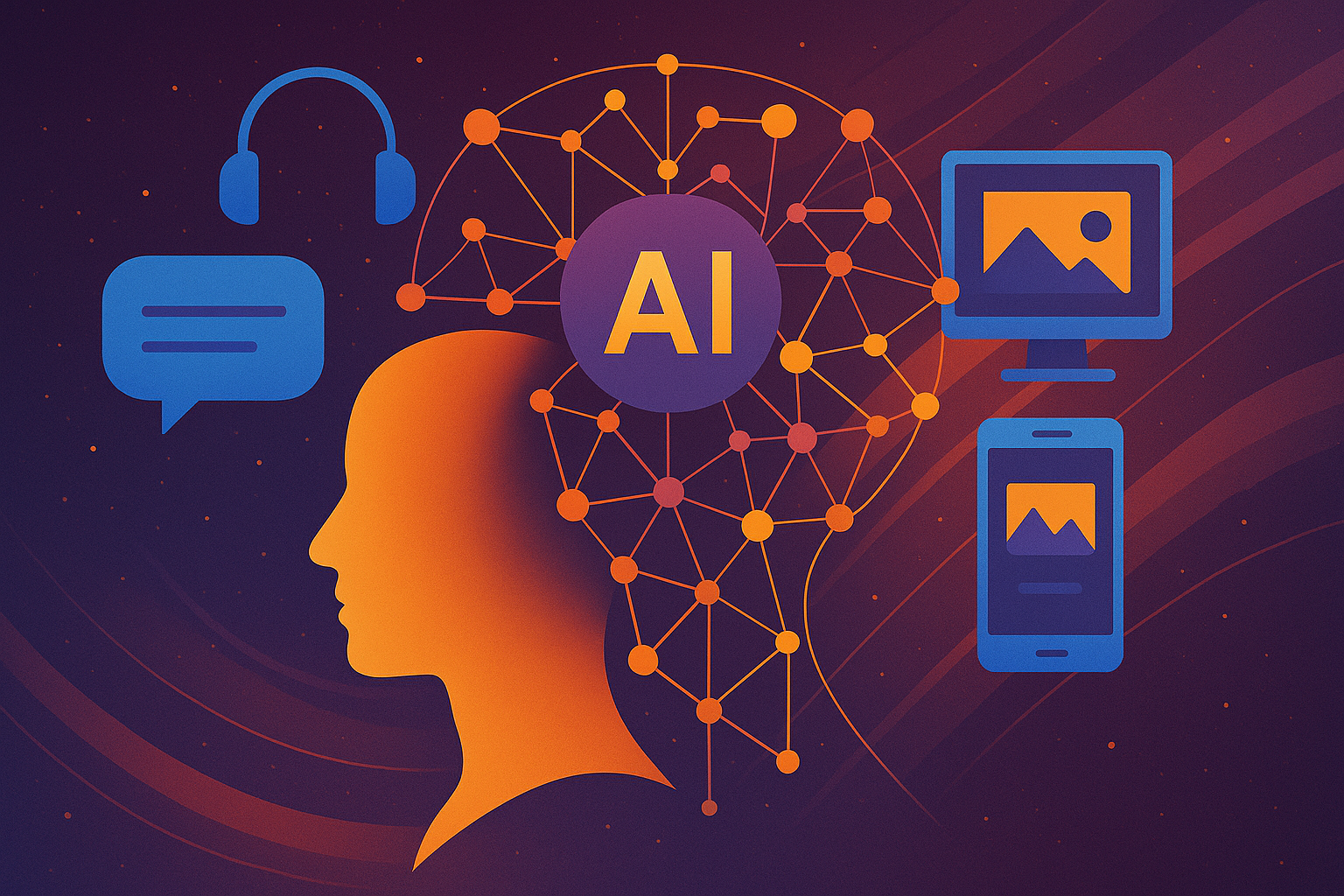
Artificial Intelligence (AI) technology is rapidly transforming the landscape of society, influencing various sectors and shaping our daily lives in unprecedented ways. From natural language processing (NLP) that enables machines to understand human language, to computer vision that empowers machines to interpret visual data, AI is becoming an integral part of our everyday experiences. This article delves into specific areas of AI technology, exploring how these innovations are impacting society and what the future may hold.
The Rise of Natural Language Processing: Enhancing Communication
Natural Language Processing (NLP) is one of the most significant advancements in AI technology. By enabling machines to understand, interpret, and respond to human language, NLP has revolutionized communication between humans and machines. Applications like chatbots, virtual assistants, and language translation services have become commonplace, making information more accessible and interactions more seamless.
For instance, consider how companies are using NLP to improve customer service. Chatbots powered by NLP can handle inquiries 24/7, providing instant responses to customer questions. This not only enhances user experience but also reduces operational costs for businesses. Moreover, NLP tools are aiding in breaking down language barriers, allowing individuals from different linguistic backgrounds to communicate effectively.
Informing Decision-Making
Beyond enhancing communication, NLP is also playing a crucial role in data analysis. Businesses are leveraging sentiment analysis tools to gauge public opinion on their products or services by analyzing social media posts and reviews. This allows companies to make informed decisions based on real-time feedback, ultimately leading to better customer satisfaction and loyalty.
As NLP technology continues to evolve, we can anticipate even more sophisticated applications. Future advancements may lead to AI systems that can understand context and nuance in human language, further improving their ability to assist and engage with users.
The Power of Computer Vision: Transforming Industries
Computer vision, another vital area of AI technology, is transforming industries by enabling machines to interpret and understand visual data. This innovation has far-reaching implications, particularly in sectors such as healthcare, manufacturing, and autonomous vehicles.
In healthcare, computer vision is being utilized for diagnostic purposes. Algorithms can analyze medical images like X-rays and MRIs to detect anomalies that may be missed by human eyes. This not only speeds up the diagnostic process but also improves accuracy, ultimately saving lives. For example, AI systems have shown promise in identifying early signs of diseases such as cancer, allowing for timely intervention.
Enhancing Security and Surveillance
The security sector is also benefiting from advancements in computer vision. Surveillance systems equipped with AI can analyze video feeds in real-time, identifying suspicious behavior and alerting authorities instantly. This capability is invaluable in crime prevention and public safety, providing law enforcement with tools to respond more effectively to potential threats.
Looking ahead, as computer vision technology becomes more sophisticated, we may see its integration into everyday devices. Imagine smart home systems that can recognize family members and adjust settings accordingly, or retail environments that use computer vision to enhance the shopping experience through personalized recommendations.
AI Hardware: The Backbone of Innovation: Driving Performance
While software advancements in AI, such as NLP and computer vision, are often highlighted, the hardware that supports these technologies is equally crucial. AI hardware, including specialized processors and GPUs, plays a significant role in driving performance and efficiency in AI applications.
The rise of AI-specific hardware has led to significant improvements in processing speeds and energy efficiency. For instance, graphics processing units (GPUs) have become essential for training complex machine learning models. Companies like NVIDIA have developed hardware specifically designed to handle the demands of AI workloads, enabling faster computations and more efficient data processing.
Enabling Edge Computing
Another exciting development in AI hardware is the shift towards edge computing. Rather than relying solely on centralized data centers, edge computing allows data processing to occur closer to the source of data generation. This is particularly important for applications that require real-time processing, such as autonomous vehicles and smart devices.
By reducing latency and bandwidth usage, edge computing enhances the performance of AI applications. As AI hardware continues to evolve, we can expect to see even more innovative solutions that bring AI capabilities to the forefront of everyday technology.
Conclusion: A Future Shaped by AI
The impact of AI technology on society is profound and multi-faceted. Innovations in natural language processing, computer vision, and AI hardware are reshaping industries and enhancing our daily lives. As these technologies continue to evolve, they promise to bring about even more significant changes, making our interactions with machines more intuitive and seamless.
However, with these advancements come challenges and ethical considerations that society must address. Issues such as data privacy, algorithmic bias, and the potential for job displacement require careful thought and proactive measures. As we navigate this new landscape, it is crucial to foster a dialogue about the responsible use of AI technology, ensuring that it serves to benefit all of humanity.
The future of AI is bright, and its potential to improve our lives is immense. By embracing these innovations and addressing the accompanying challenges, we can harness the power of AI to create a better, more connected world.