
Maximizing Efficiency: How AI is Revolutionizing Productivity in the Modern Workplace
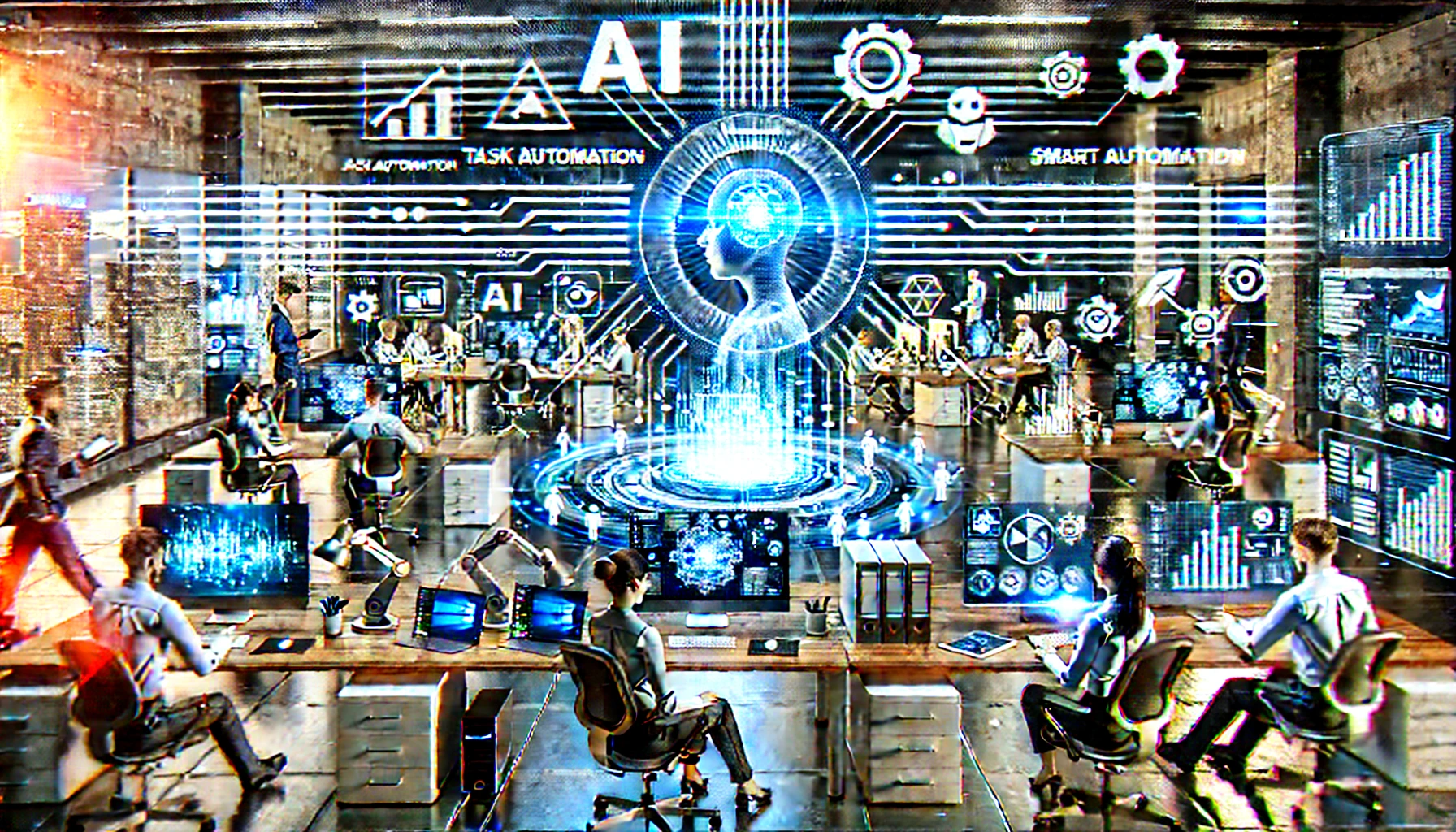
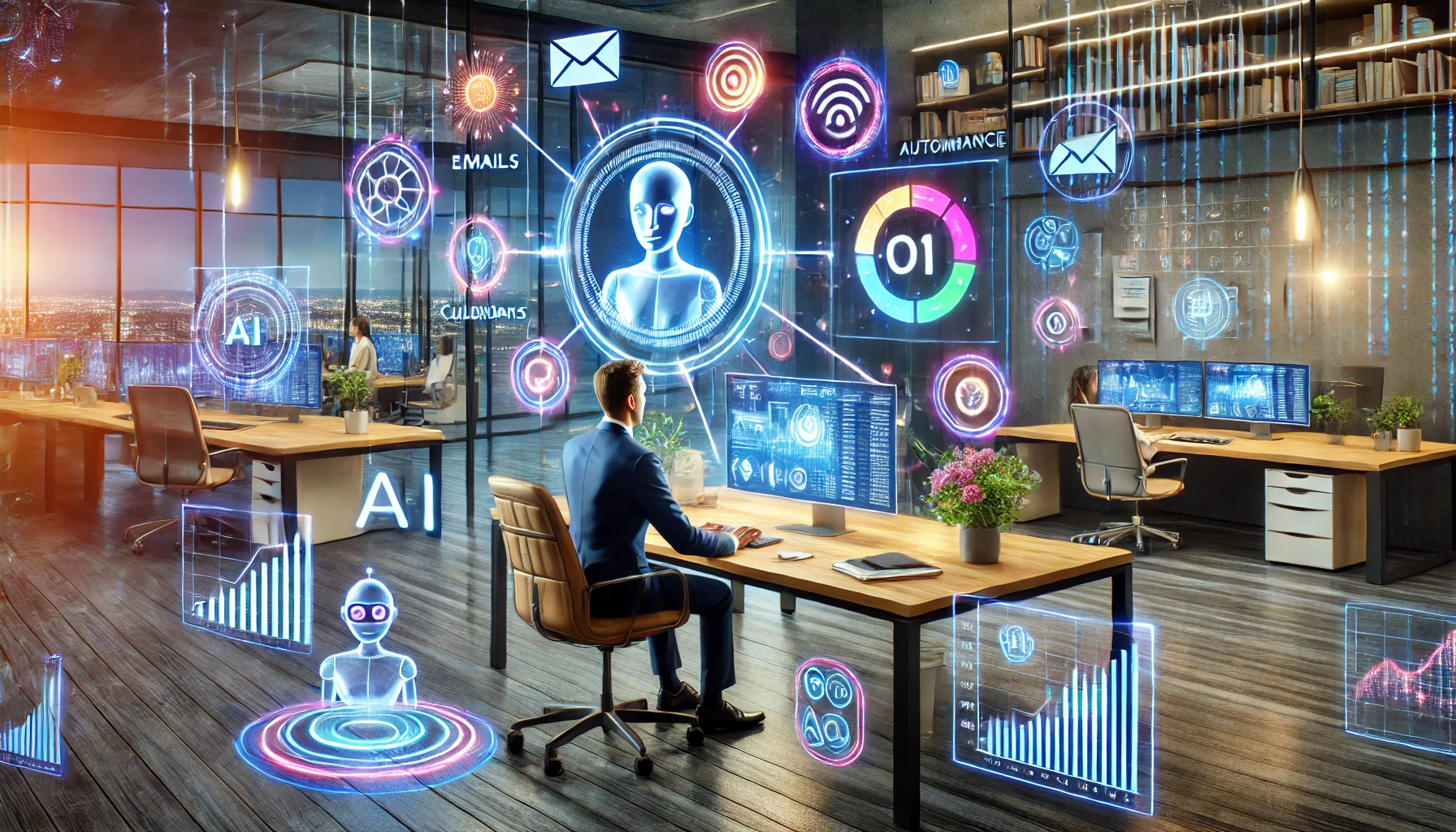
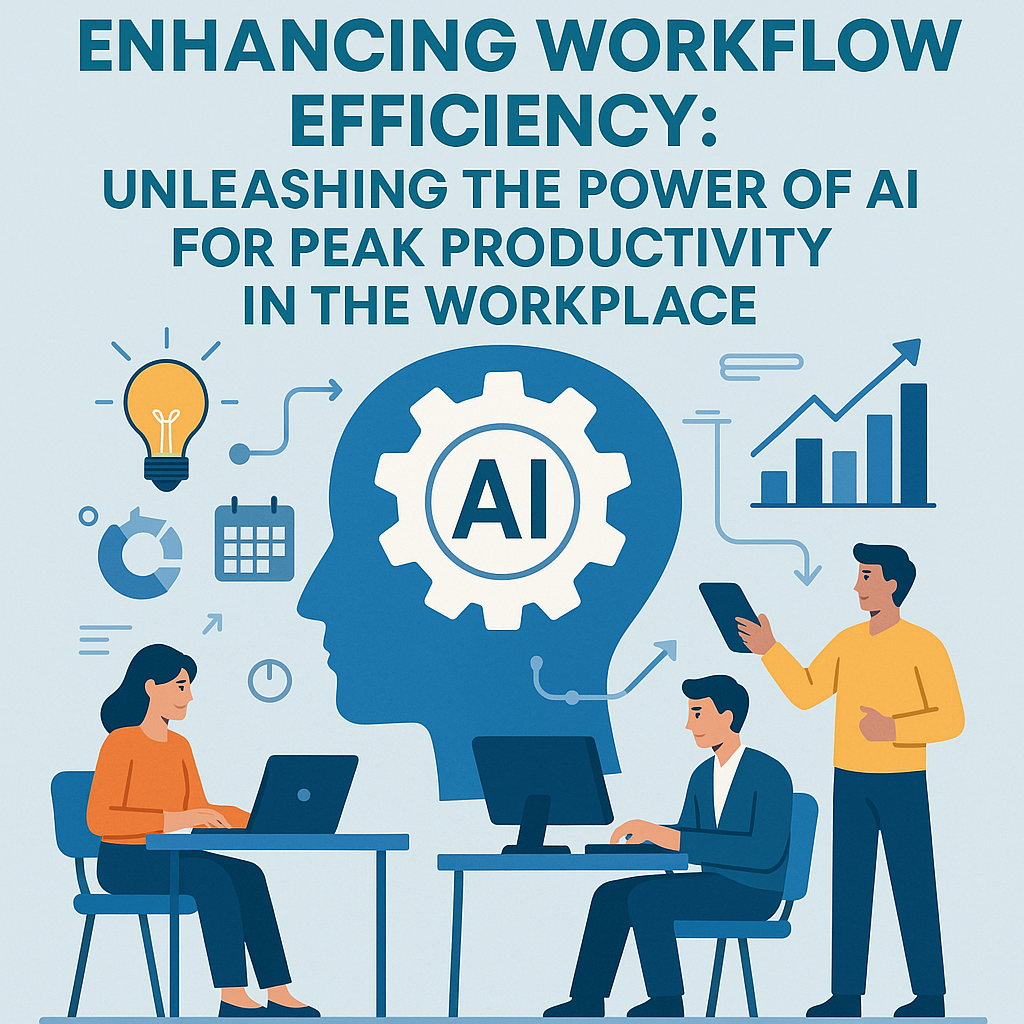
The rapid evolution of artificial intelligence (AI) has stirred up conversations about its potential to automate tasks traditionally performed by humans. However, a more nuanced perspective is emerging: rather than merely replacing human effort, AI can augment our capabilities, enhancing productivity and creativity in various professional domains. This article delves into the ways AI is reshaping the modern workplace by acting as a collaborator rather than a competitor, focusing on specific applications that illustrate this augmentation.
Understanding Augmentation vs. Automation
At the heart of the AI revolution is the distinction between automation and augmentation. Automation refers to the use of technology to perform tasks without human intervention, often leading to job displacement. In contrast, augmentation seeks to enhance human abilities, empowering workers to achieve more than they could on their own. By leveraging AI’s strengths—such as data processing, pattern recognition, and predictive analytics—professionals can unlock new levels of efficiency and creativity. This article explores three domains where AI serves as a powerful augmentation tool: scientific research, creative brainstorming, and complex problem-solving.
AI in Scientific Research: Accelerating Discovery
The realm of scientific research has long been characterized by its rigorous demands for accuracy, efficiency, and innovation. AI is transforming this landscape by acting as a research partner, helping scientists sift through vast amounts of data and identify patterns that would otherwise go unnoticed.
Data Analysis and Pattern Recognition
Consider the field of genomics, where researchers are tasked with analyzing massive datasets to understand genetic variations. AI algorithms can process these datasets at lightning speed, identifying correlations and anomalies that might elude human researchers. This capability not only accelerates the pace of discovery but also allows scientists to focus on interpreting results and formulating hypotheses rather than getting bogged down in data management.
Hypothesis Generation
Moreover, AI can assist in generating new hypotheses based on existing data. For instance, machine learning models can analyze historical research findings and suggest new avenues for exploration. By providing researchers with insights that may not be immediately apparent, AI fosters a more dynamic research environment, where human intuition and machine intelligence work hand in hand to drive progress.
AI as a Brainstorming Partner for Creatives
In the world of creative industries, the pressure to innovate constantly can be overwhelming. AI tools are emerging as invaluable partners for artists, writers, and designers, augmenting their creative processes rather than replacing them.
Idea Generation and Inspiration
Imagine a writer grappling with writer’s block. AI-powered writing assistants can analyze existing literature, suggest themes, and even generate plot outlines based on user inputs. These tools can provide fresh perspectives and stimulate creativity, allowing writers to explore ideas they may not have considered. Similarly, graphic designers can use AI to generate design variations or suggest color palettes based on current trends, enabling them to push the boundaries of their creativity.
Collaborative Creation
AI also facilitates collaborative creation. Tools like OpenAI’s DALL-E allow artists to input text prompts and receive unique visual interpretations, which can serve as a springboard for their own work. This collaborative dynamic encourages experimentation and exploration, ultimately enriching the creative output. The symbiotic relationship between human creativity and AI-generated content leads to innovative solutions that might not have emerged in isolation.
AI for Complex Problem-Solving
In today’s fast-paced business environment, organizations are frequently faced with complex challenges that require innovative solutions. AI can serve as a powerful ally in this arena, augmenting human decision-making and problem-solving capabilities.
Scenario Simulation
Consider a project manager tasked with launching a new product. AI tools can simulate various market scenarios, analyzing consumer behavior and predicting outcomes based on different strategies. This predictive capability allows managers to make data-driven decisions, reducing risk and increasing the likelihood of success. By augmenting human judgment with AI insights, teams can navigate uncertainty more effectively.
Enhanced Collaboration
Furthermore, AI can streamline collaboration among team members by facilitating communication and information sharing. Platforms like Microsoft Teams and Slack are integrating AI features that summarize discussions, highlight action items, and suggest relevant documents. This functionality helps teams stay aligned and focused, allowing them to tackle complex problems collaboratively without the burden of information overload.
Conclusion: The Synergistic Potential of AI and Human Creativity
As we navigate the evolving landscape of work, it is essential to recognize the synergistic potential of AI as an augmentation tool. By enhancing rather than replacing human capabilities, AI can revolutionize productivity across various domains. Whether in scientific research, creative industries, or complex problem-solving, AI empowers professionals to achieve more, fostering an environment where innovation thrives.
The future workplace will likely be characterized by collaboration between humans and AI, where each complements the other’s strengths. Embracing this partnership can lead to unprecedented levels of efficiency and creativity, driving progress in ways we have yet to fully imagine. As we harness the power of AI, we must remain vigilant in ensuring it serves as a tool for empowerment, enabling us to push the boundaries of what is possible in our professional lives.