AI Art Revolution: How Technology is Redefining Visual Aesthetics and Artistic Expression
The advent of artificial intelligence (AI) has ushered in a new era of artistic expression, fundamentally altering how visual aesthetics are conceived, produced, and consumed. As AI art platforms proliferate, they have created an ecosystem where traditional notions of creativity are challenged, and the boundaries of artistic collaboration are expanded. This article delves into the strategic landscape of AI art tools and platforms, examining their business models, the debate between open-source and closed-source tools, and the implications for stock imagery in the digital art world.
The Ecosystem of AI Art Platforms
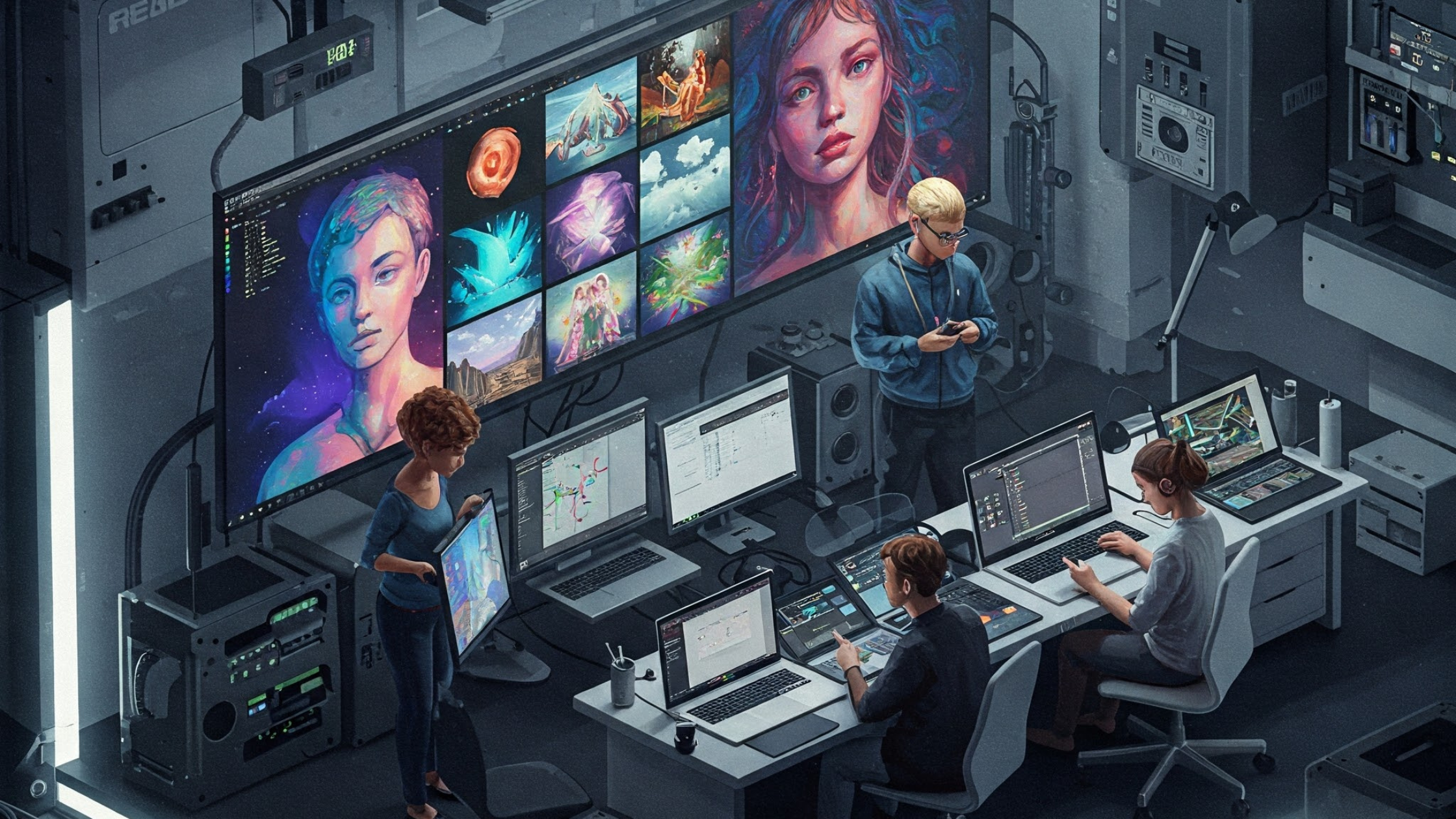
The AI art ecosystem is diverse, encompassing a range of platforms that cater to different segments of the market. From generative art tools that allow users to create unique visuals through algorithms to platforms that leverage machine learning to enhance traditional artistic techniques, the variety is vast. Major players like DALL-E, Midjourney, and Artbreeder have emerged, each offering distinct features and capabilities. This article will explore the strategic elements that define these platforms, focusing on their business models, the open-source versus closed-source debate, and the future of stock imagery in this evolving landscape.
Business Models of AI Art Platforms: Subscription vs. Pay-Per-Use
One of the most significant strategic differences among AI art platforms lies in their business models. Subscription-based platforms, such as Midjourney, provide users with unlimited access to their tools for a monthly fee. This model encourages frequent usage and fosters a community of dedicated creators who continuously engage with the platform. On the other hand, pay-per-use models, like DALL-E, charge users based on the number of images generated. This approach can attract casual users who may not want to commit to a subscription but are willing to pay for individual creations.
Target Audience and Market Segmentation
The target audience also plays a crucial role in shaping the business models of these platforms. For instance, platforms like Runway ML cater primarily to professional artists and designers, offering advanced features that require a deeper understanding of AI and art. In contrast, tools like DeepArt and Artbreeder target casual users and hobbyists, providing user-friendly interfaces that simplify the creative process. This segmentation not only influences pricing strategies but also affects marketing approaches and community engagement efforts.
Monetization Strategies
Moreover, monetization strategies are evolving in the AI art space. Some platforms have begun to explore partnerships with brands and businesses, offering tailored solutions for marketing and advertising. For example, AI-generated artwork can be used for product packaging or social media campaigns, creating new revenue streams for both the platforms and the artists involved. This shift towards collaborative monetization highlights the strategic importance of aligning with industry trends and understanding the needs of various stakeholders.
Open-Source vs. Closed-Source Tools: Accessibility and Community Development
The debate between open-source and closed-source AI art tools is a pivotal aspect of the strategic landscape. Open-source platforms, such as DeepDream and Runway’s open-source tools, foster community development by allowing users to modify and improve the software. This accessibility encourages innovation and collaboration, as creators can share their adaptations and enhancements. The open-source model democratizes art creation, making it accessible to a broader audience, including those who may lack technical expertise.
Intellectual Property and Control
Conversely, closed-source platforms maintain control over their algorithms and code, which can be seen as a double-edged sword. While this model allows for a more polished and cohesive user experience, it raises concerns about intellectual property and the ownership of created artworks. Artists using closed-source tools may face limitations on how they can use or sell their creations, leading to frustrations and ethical dilemmas. The strategic implications of this debate are significant, as they shape the future of artistic ownership and the relationship between technology and creativity.
Innovation and Competitive Advantage
From a competitive standpoint, open-source tools can rapidly evolve through community contributions, often outpacing closed-source platforms in terms of feature development. However, closed-source platforms may leverage proprietary technology to offer unique features that are not available in open-source alternatives, creating a competitive advantage. This dynamic creates a landscape where both models coexist, each appealing to different segments of the market and fostering a diverse range of artistic expressions.
Strategic Implications for Stock Imagery: Disruption of Traditional Stock Platforms
The rise of AI-generated art has profound implications for the stock imagery market. Traditional stock platforms, such as Shutterstock and Getty Images, have relied on human-created content for decades. However, the emergence of AI art tools has the potential to disrupt this model by offering unique, customizable images at a fraction of the cost. AI-generated visuals can be tailored to specific needs, allowing businesses to obtain exactly what they require without the limitations of existing stock libraries.
Licensing and Ethical Considerations
As AI art becomes more prevalent in commercial applications, licensing and ethical considerations will come to the forefront. Questions regarding the ownership of AI-generated images and the rights of the original artists whose works were used to train the AI models are critical. Stock platforms will need to adapt their licensing agreements to address these complexities, ensuring that artists are fairly compensated while also providing businesses with the flexibility they need.
Future Trends and Market Dynamics
Looking ahead, the strategic landscape of stock imagery will likely evolve to incorporate AI-generated content as a standard offering. Platforms that embrace this change and develop clear guidelines for licensing and usage will position themselves as leaders in the market. Additionally, the integration of AI art into marketing strategies will become increasingly common, driving demand for unique and innovative visuals that can capture audience attention.
Conclusion: Navigating Market Dynamics
The AI art revolution is reshaping the creative landscape, presenting both challenges and opportunities for artists, platforms, and businesses alike. As the ecosystem continues to evolve, understanding the strategic elements at play will be crucial for stakeholders looking to navigate this dynamic environment. From the diverse business models of AI art platforms to the ongoing debate over open-source versus closed-source tools and the implications for stock imagery, the future of artistic expression is being redefined. Embracing these changes will not only enhance creative possibilities but also foster a more inclusive and innovative artistic community.