



The Impact of Productivity AI: Transforming Workflows and Redefining Workplace Efficiency
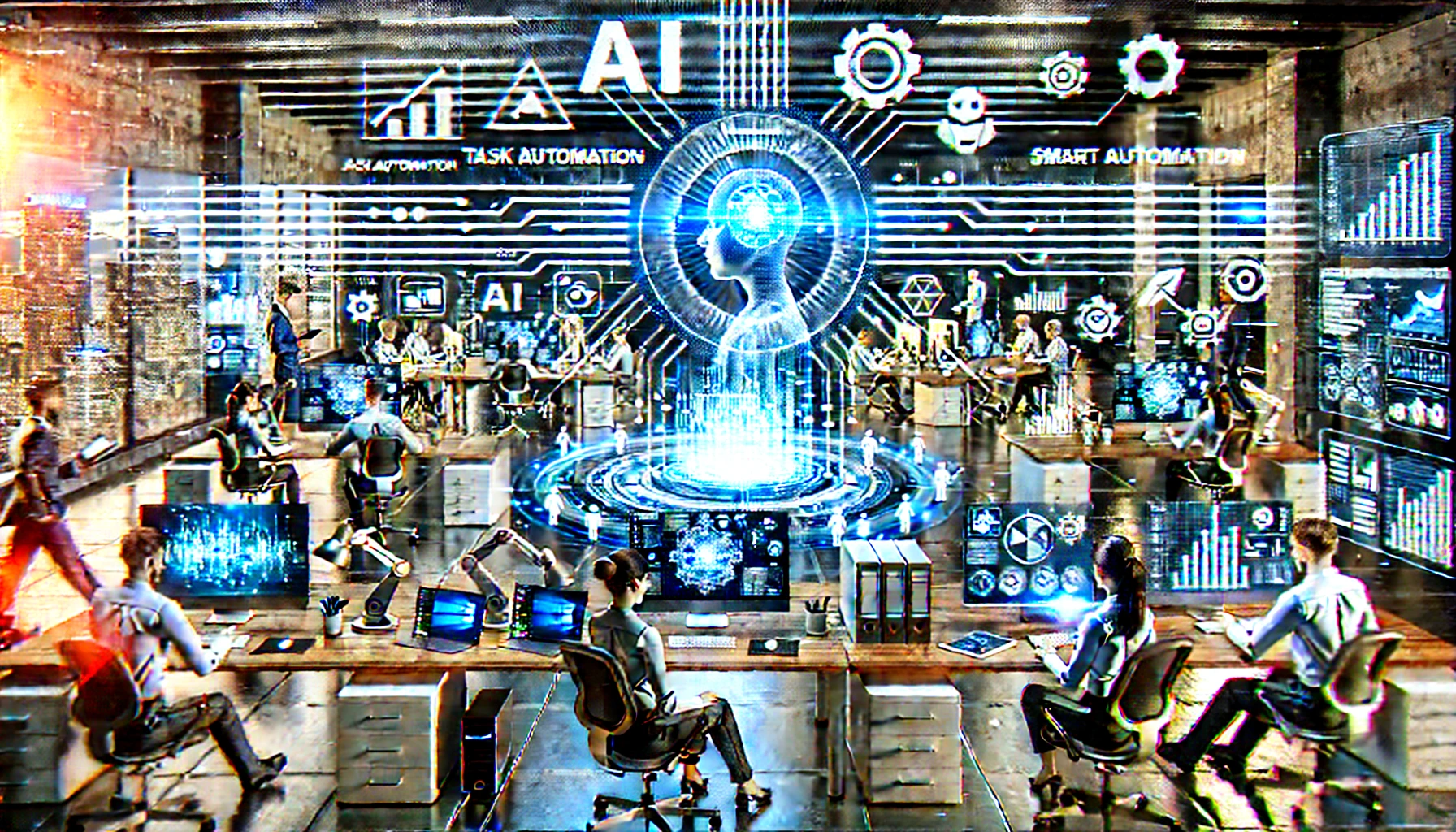
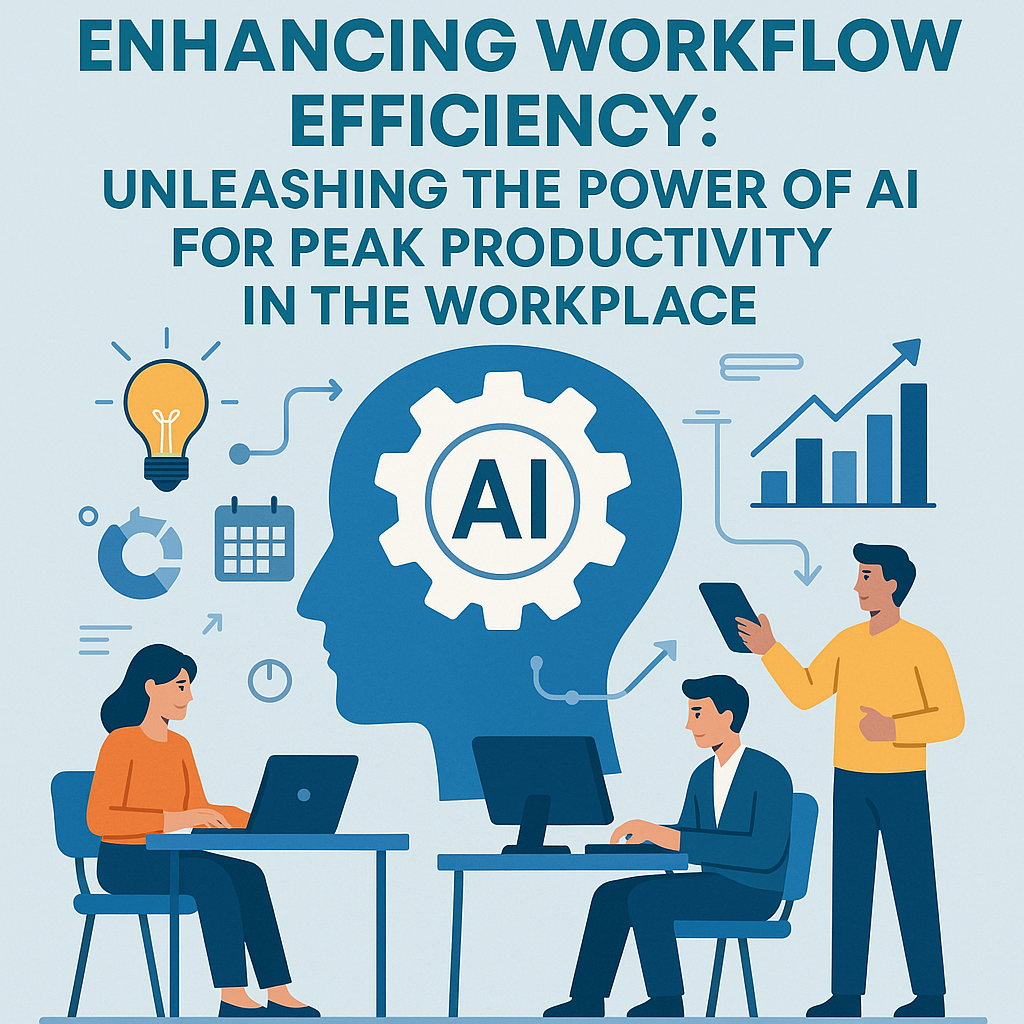
In an age where the demand for efficiency is ever-increasing, businesses are turning to innovative solutions to streamline their operations. Among these solutions, productivity AI stands out as a game-changer, revolutionizing how organizations manage their workflows. By automating repetitive tasks, enhancing decision-making processes, and providing real-time insights, productivity AI is not just a tool but a catalyst for redefining workplace efficiency. This article delves into the specific aspect of workflow automation powered by AI, exploring its impact on productivity and the future of work.
Understanding Workflow Automation
At its core, workflow automation refers to the use of technology to automate complex business processes and functions beyond just individual tasks. Productivity AI enhances this automation by incorporating machine learning and data analytics, enabling systems to learn from past behaviors and improve over time. This transformation allows businesses to eliminate manual processes, reduce errors, and enhance overall efficiency.
Streamlining Repetitive Tasks
One of the most significant advantages of productivity AI lies in its ability to automate repetitive tasks that consume valuable employee time. From data entry to customer support inquiries, AI-driven tools can handle these tasks with speed and accuracy. For instance, chatbots powered by natural language processing can manage customer interactions, answering common questions and resolving issues without human intervention. This not only frees up employees to focus on more strategic initiatives but also ensures that customers receive prompt responses, enhancing satisfaction and loyalty.
Moreover, AI tools can automate data collection and reporting processes. Traditionally, employees would spend hours compiling data from various sources to create reports. With AI, these tasks can be automated, allowing for real-time data analysis and reporting. This shift not only saves time but also improves decision-making by providing leaders with up-to-date information.
Enhancing Collaboration and Communication
Another vital aspect of productivity AI is its ability to enhance collaboration and communication within teams. AI-driven platforms can facilitate seamless interaction among team members, regardless of their geographical locations. Tools like Slack, Microsoft Teams, and Asana are integrating AI features that can prioritize messages, suggest responses, and even schedule meetings based on participants’ availability.
Additionally, AI can analyze communication patterns and provide insights into team dynamics. For example, it can identify bottlenecks in communication or highlight areas where collaboration is lacking. By understanding these dynamics, organizations can implement strategies to foster a more collaborative environment, ultimately leading to improved productivity.
Measuring Productivity with AI
While automation and enhanced communication are crucial, measuring productivity is equally important. Productivity AI tools can track performance metrics in real time, providing organizations with valuable insights into their workflows. By analyzing data from various sources, these tools can identify trends, pinpoint inefficiencies, and recommend improvements.
For instance, AI can measure employee engagement levels by analyzing communication frequencies, task completion rates, and even sentiment analysis from emails and messages. This data enables managers to make informed decisions about workload distribution, team dynamics, and potential areas for training and development. Furthermore, organizations can use AI to benchmark their productivity against industry standards, allowing them to stay competitive in a rapidly evolving market.
The Future of Productivity AI
Looking ahead, the potential of productivity AI is vast. As technology continues to evolve, we can expect even more sophisticated tools that can anticipate needs and adapt to changing work environments. The integration of AI with other emerging technologies, such as the Internet of Things (IoT) and blockchain, will further enhance workflow automation, creating a more interconnected and efficient workplace.
Moreover, organizations will increasingly prioritize employee well-being alongside productivity. AI can play a pivotal role in this shift by monitoring workloads and suggesting breaks or adjustments to prevent burnout. By leveraging AI to create a healthier work environment, businesses can enhance employee satisfaction and retention, ultimately driving productivity.
Conclusion
The impact of productivity AI on workflows is profound, transforming how organizations operate and redefining workplace efficiency. By automating repetitive tasks, enhancing collaboration, and providing real-time insights, AI tools are not just improving productivity but are also fostering a culture of innovation and adaptability. As we move forward, embracing productivity AI will be crucial for organizations aiming to thrive in an increasingly competitive landscape. The future of work is here, and it is powered by productivity AI.