



Synergizing Minds: Unlocking the Power of Human-AI Collaboration for a Smarter Future
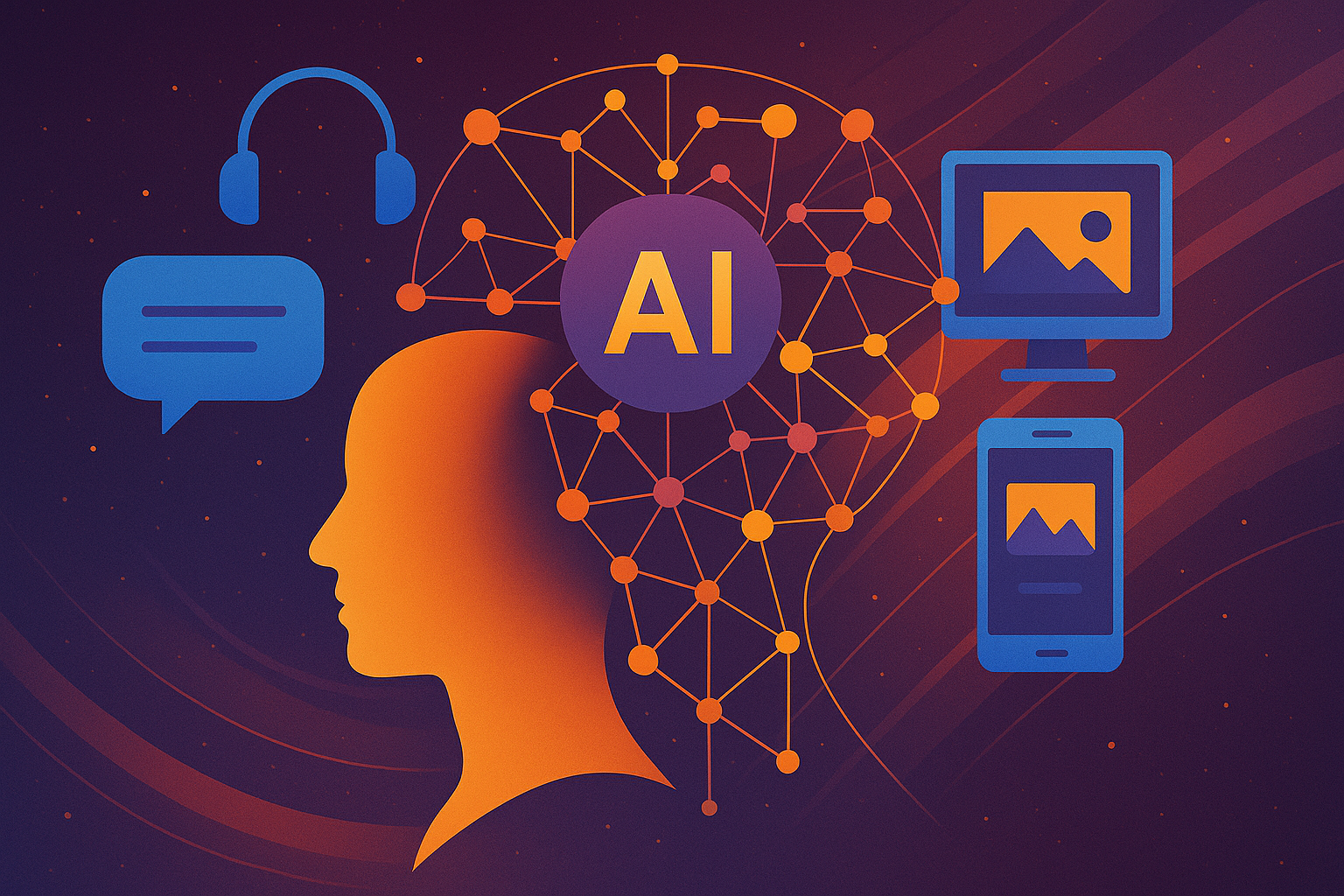
In an era defined by rapid technological advancement, the relationship between humans and artificial intelligence (AI) is evolving into a powerful partnership. As AI continues to permeate various sectors, it becomes imperative to explore the dynamics of human-AI collaboration. This article delves into the impact of such collaboration on job roles and skills, emphasizing how this synergy can reshape the future of work. By examining the implications of human-AI collaboration, we can better understand the potential benefits and challenges that lie ahead.
The Changing Landscape of Job Roles
Historically, the introduction of new technologies has often led to fears of job displacement. However, the reality of human-AI collaboration suggests a more nuanced outcome. Rather than simply replacing human workers, AI has the potential to augment their capabilities. For instance, in the healthcare sector, AI systems can analyze patient data and identify patterns that may elude human practitioners. This allows healthcare professionals to focus on patient care and complex decision-making, enhancing their roles rather than diminishing them.
Moreover, the integration of AI into various industries necessitates the evolution of job roles. Workers will increasingly need to adapt to new tools and technologies, requiring a shift in skill sets. The demand for soft skills, such as emotional intelligence, creativity, and critical thinking, will likely rise as AI systems take over routine tasks. As AI handles data analysis and automates repetitive functions, professionals who can leverage this information for strategic decision-making will be invaluable.
Skills for the Future Workforce
Preparing for a future where human-AI collaboration is the norm requires a proactive approach to skill development. Educational institutions and organizations must prioritize training programs that equip workers with the skills needed to thrive in this new landscape. Emphasizing interdisciplinary learning will be crucial, as professionals will need to understand both the technical aspects of AI and the contextual knowledge of their respective fields.
For example, a marketing professional might benefit from understanding machine learning algorithms that analyze consumer behavior while also honing their creative skills to develop compelling campaigns. Similarly, educators can incorporate AI tools into their teaching methodologies, fostering a generation of students who are adept at using technology to enhance their learning experiences.
Moreover, lifelong learning will become a cornerstone of career development. As AI technologies advance, continuous education will enable workers to stay relevant and adaptable. Organizations can foster a culture of learning by providing resources and opportunities for employees to upskill or reskill. This investment not only benefits individuals but also enhances overall organizational performance.
Designing Effective Human-AI Interfaces
To maximize the potential of human-AI collaboration, the design of interfaces between humans and AI systems is paramount. An intuitive and user-friendly interface can significantly enhance the effectiveness of AI tools, ensuring that users can easily interact with and leverage these technologies. Human-Computer Interaction (HCI) research plays a crucial role in this area, providing insights into how users perceive and engage with AI systems.
Designing interfaces that prioritize user experience involves understanding the needs and preferences of diverse user groups. For instance, a healthcare AI tool must be accessible to medical professionals with varying levels of tech-savviness. Incorporating feedback loops, where users can provide input on the system’s performance, can lead to continuous improvement and increased user satisfaction.
Furthermore, ethical considerations must guide the design of human-AI interfaces. Transparency is essential; users should understand how AI systems make decisions and the data they utilize. This fosters trust and encourages users to embrace AI as a collaborative partner rather than a black box. Ethical design also involves ensuring that AI systems are free from bias, promoting fairness and inclusivity in their applications.
Navigating Ethical Challenges in Collaboration
As we embrace the potential of human-AI collaboration, ethical considerations become increasingly critical. The deployment of AI systems raises questions about accountability, privacy, and the potential for bias. Organizations must navigate these challenges to ensure that their AI tools are not only effective but also ethical.
Accountability is a significant concern, particularly in high-stakes environments such as healthcare or criminal justice. When AI systems make decisions that impact people’s lives, it is essential to establish clear lines of accountability. Organizations must determine who is responsible for the outcomes generated by AI systems and how they can address errors or biases that may arise.
Privacy is another critical issue. AI systems often rely on vast amounts of data, raising concerns about how this data is collected, stored, and used. Organizations must prioritize data protection and transparency, ensuring that users are informed about how their data is utilized. Implementing robust data governance frameworks can help mitigate privacy risks and build trust with users.
Lastly, addressing bias in AI systems is paramount. AI algorithms can inadvertently perpetuate existing biases present in training data. To combat this, organizations must prioritize diverse data sets and employ fairness metrics to evaluate AI performance. Ensuring that AI systems are developed with an ethical framework can help create a more equitable future.
Conclusion
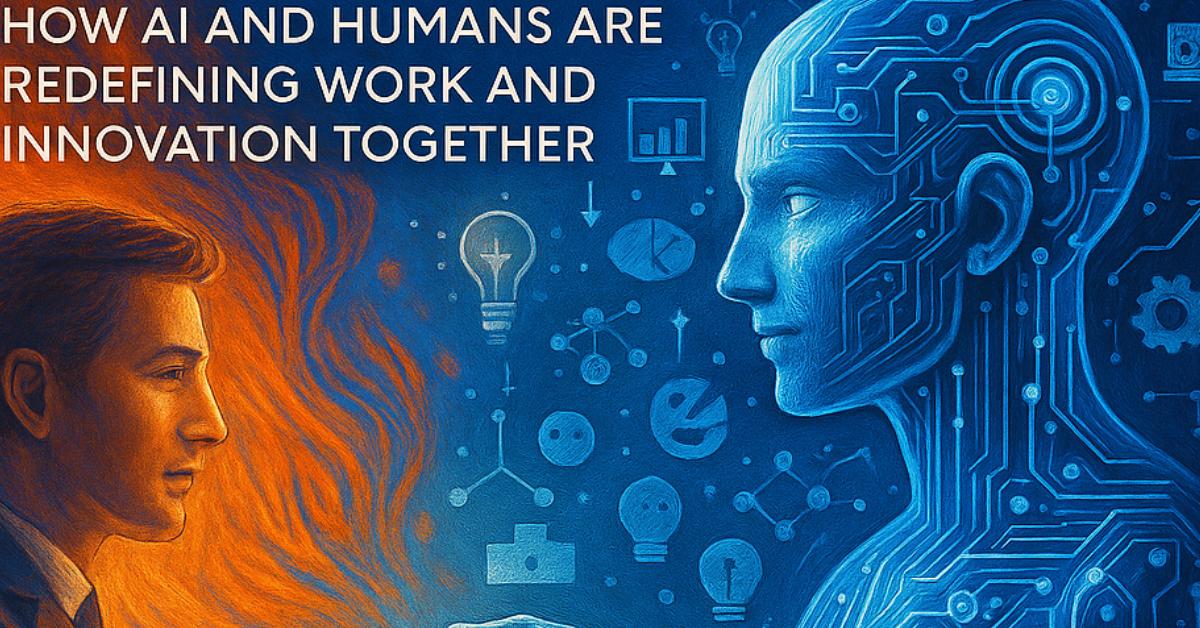
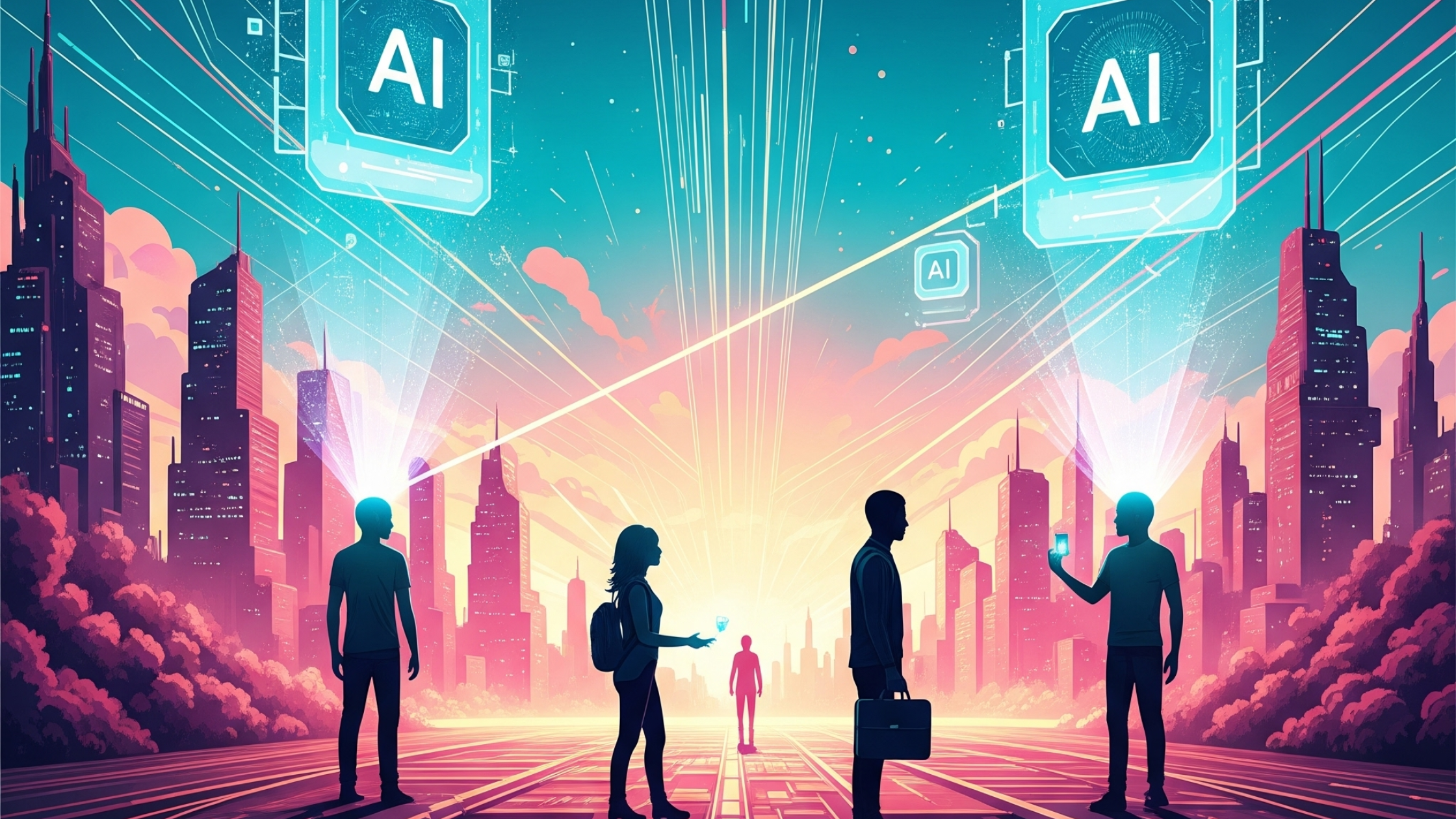
The synergy between human intelligence and artificial intelligence holds the promise of a smarter future. By embracing human-AI collaboration, we can unlock new potentials in various sectors, transforming job roles, enhancing skills, and fostering innovation. However, this journey is not without its challenges. As we navigate the complexities of ethical considerations, interface design, and the evolving workforce landscape, it is crucial to prioritize collaboration, transparency, and inclusivity. Ultimately, the future of work will depend on our ability to harness the power of human-AI collaboration for the greater good.