




Unlocking Writing Potential: How AI Tools are Transforming the Way We Create and Communicate
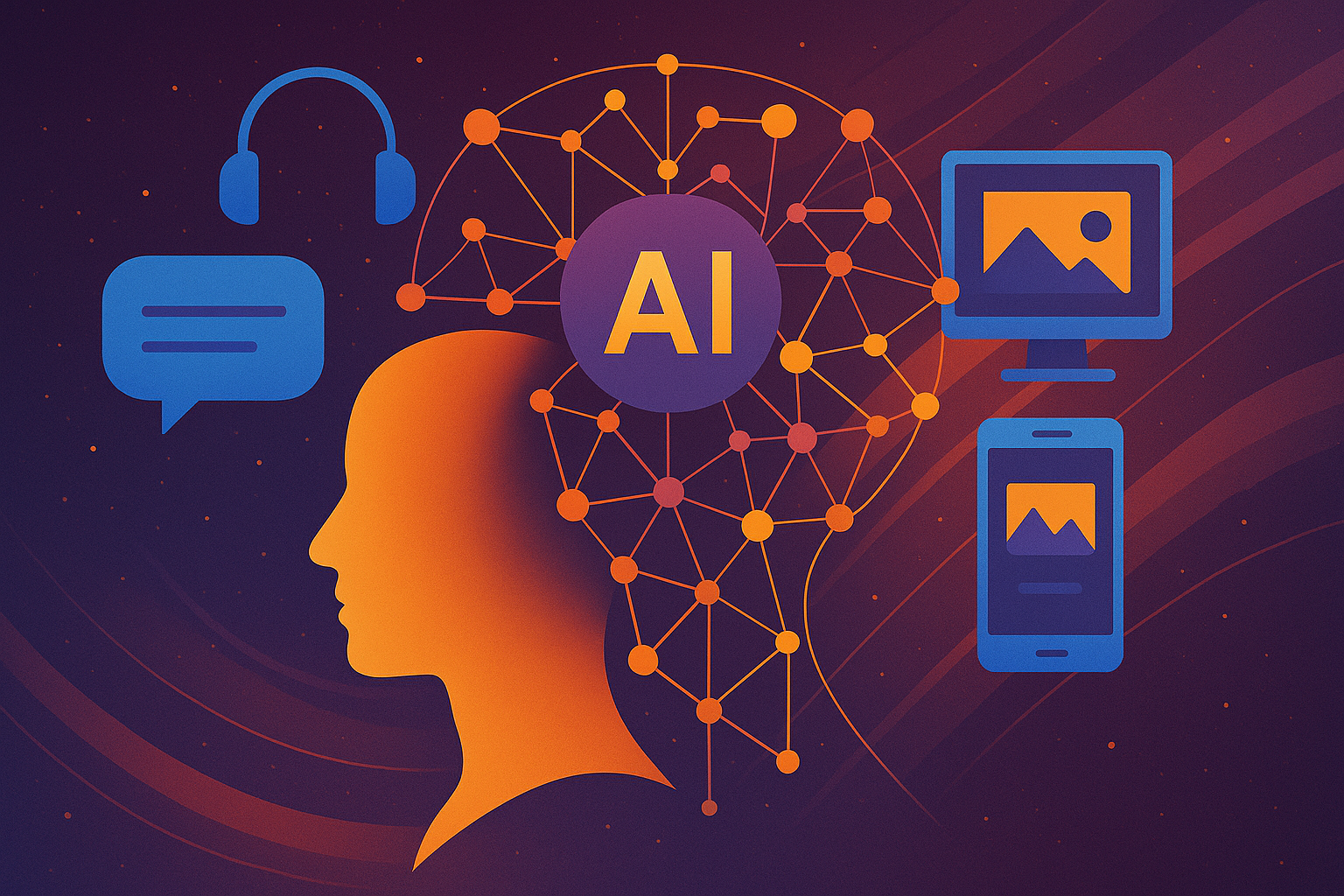
In the digital age, the landscape of content creation is undergoing a seismic shift, driven largely by advancements in artificial intelligence (AI). Writing, once a solitary endeavor characterized by individual creativity and voice, is now being reshaped by collaborative tools that enhance productivity and innovation. This article explores the transformative impact of AI on content creation, focusing on the dynamic relationship between human writers and AI tools. We will delve into how this collaboration not only enhances creativity but also influences SEO strategies, addresses limitations, and anticipates future trends.
The Human-AI Collaboration: A New Creative Frontier
At the heart of the AI revolution in writing lies the concept of collaboration. AI tools are designed to augment human creativity rather than replace it. For instance, platforms like OpenAI’s ChatGPT and Jasper AI enable writers to brainstorm ideas, generate outlines, and even draft entire sections of text. This partnership allows writers to focus on higher-order thinking and creative expression while AI handles repetitive tasks.
Writers can leverage AI’s ability to analyze vast amounts of data to identify trending topics and audience preferences. By inputting specific keywords or themes, AI can generate a list of relevant subjects that resonate with target demographics. This not only saves time but also fosters a more strategic approach to content creation, ensuring that writers are producing material that is both engaging and relevant.
Moreover, AI tools can assist in overcoming writer’s block. When creativity stalls, a simple prompt from an AI can spark new ideas and directions. This collaborative approach encourages writers to experiment with different styles and formats, pushing the boundaries of conventional writing and leading to innovative content that captivates audiences.
The SEO Revolution: AI’s Role in Content Optimization
As the digital landscape becomes increasingly competitive, the importance of search engine optimization (SEO) cannot be overstated. AI tools are revolutionizing the way content is optimized for search engines, making it easier for writers to create material that ranks well and reaches the intended audience.
AI-driven platforms can analyze existing content and provide insights into keyword usage, readability, and overall structure. Tools like Surfer SEO and Clearscope offer recommendations on keyword density, related terms, and even content length, helping writers craft articles that are not only informative but also optimized for search visibility. This data-driven approach ensures that writers are not just creating content in a vacuum but are aware of what works in the digital ecosystem.
Additionally, AI can help in predicting trends and shifts in audience behavior. By analyzing search patterns and social media interactions, AI tools can identify emerging topics and suggest timely content ideas. This proactive approach to content creation enables writers to stay ahead of the curve, positioning themselves as thought leaders in their respective niches.
Navigating Limitations: The Challenges of AI in Writing
Despite the myriad benefits of AI in content creation, it is essential to acknowledge its limitations. While AI can generate coherent text and provide valuable insights, it lacks the nuanced understanding of context, emotion, and cultural subtleties that human writers possess. This is particularly evident in creative writing, where voice, tone, and emotional resonance play a crucial role in connecting with readers.
Furthermore, over-reliance on AI tools can lead to homogenization in writing styles. If multiple writers use the same AI tool to generate content, there is a risk that their outputs may become indistinguishable from one another. This can dilute the unique voice and perspective that individual writers bring to their work.
Another challenge lies in the ethical considerations surrounding AI-generated content. The potential for misinformation and the ethical implications of using AI to produce content must be carefully navigated. Writers and organizations must remain vigilant in ensuring that the content created is accurate and aligns with their values and mission.
Future Trends: The Evolution of AI in Content Creation
Looking ahead, the relationship between AI and content creation is poised for further evolution. As AI technology continues to advance, we can expect even more sophisticated tools that understand context, tone, and audience intent. These developments will likely lead to a more seamless integration of AI into the writing process, allowing for a more intuitive collaboration between human creativity and machine efficiency.
One potential trend is the rise of personalized content generation. AI could analyze individual user data to create tailored content that speaks directly to the interests and preferences of specific audiences. This level of personalization could enhance engagement and foster deeper connections between writers and their readers.
Additionally, as AI becomes more capable of understanding complex narratives, we may see its application extend beyond traditional writing into areas such as storytelling for film and video games. This could open up new avenues for writers and creators to explore, combining human imagination with AI’s analytical prowess.
Conclusion
The integration of AI tools into content creation represents a significant shift in how we write and communicate. By fostering a collaborative relationship between human writers and AI, we can unlock new levels of creativity and efficiency. While there are limitations and ethical considerations to navigate, the potential for enhanced SEO strategies and personalized content generation is immense. As we look to the future, embracing AI as a partner in the writing process will be essential for writers seeking to thrive in an ever-evolving digital landscape.