The Aesthetic Revolution: How AI Art is Shaping the Future of Visual Expression and Design
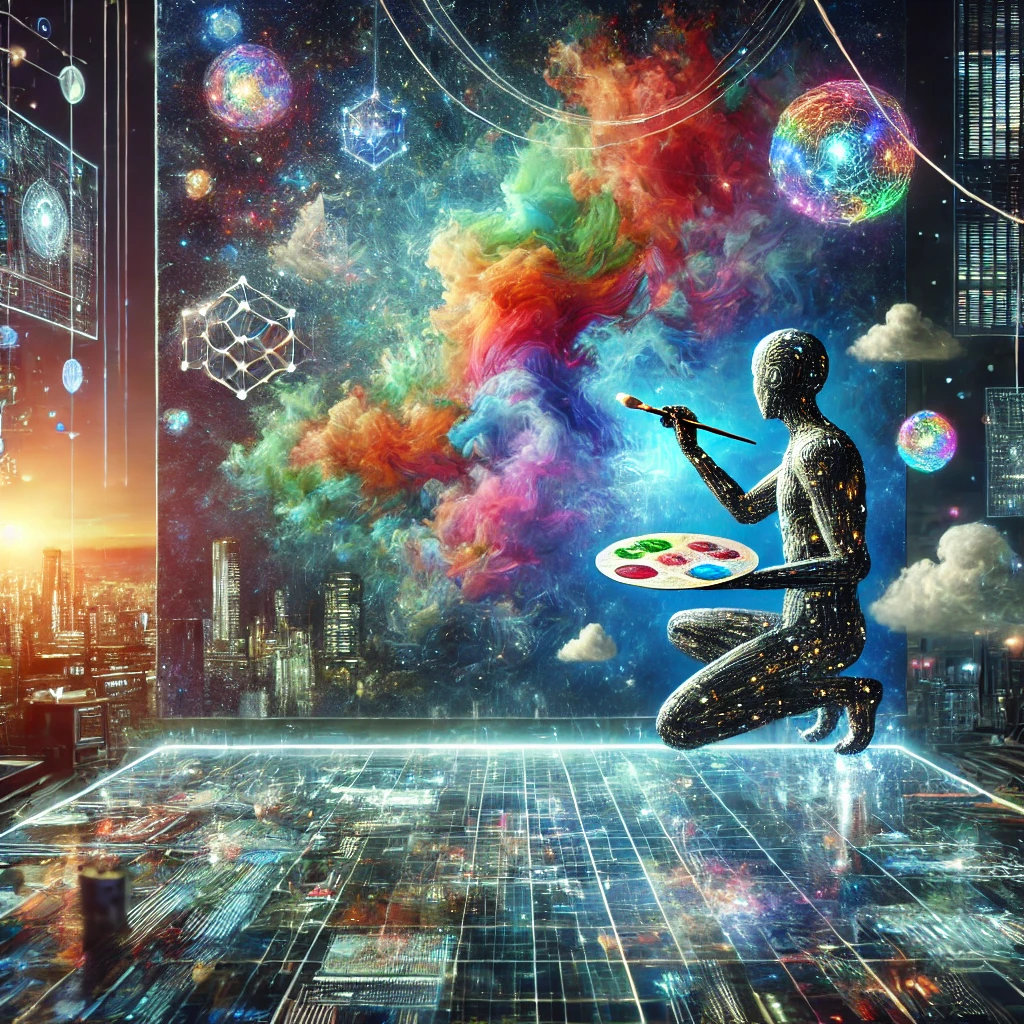
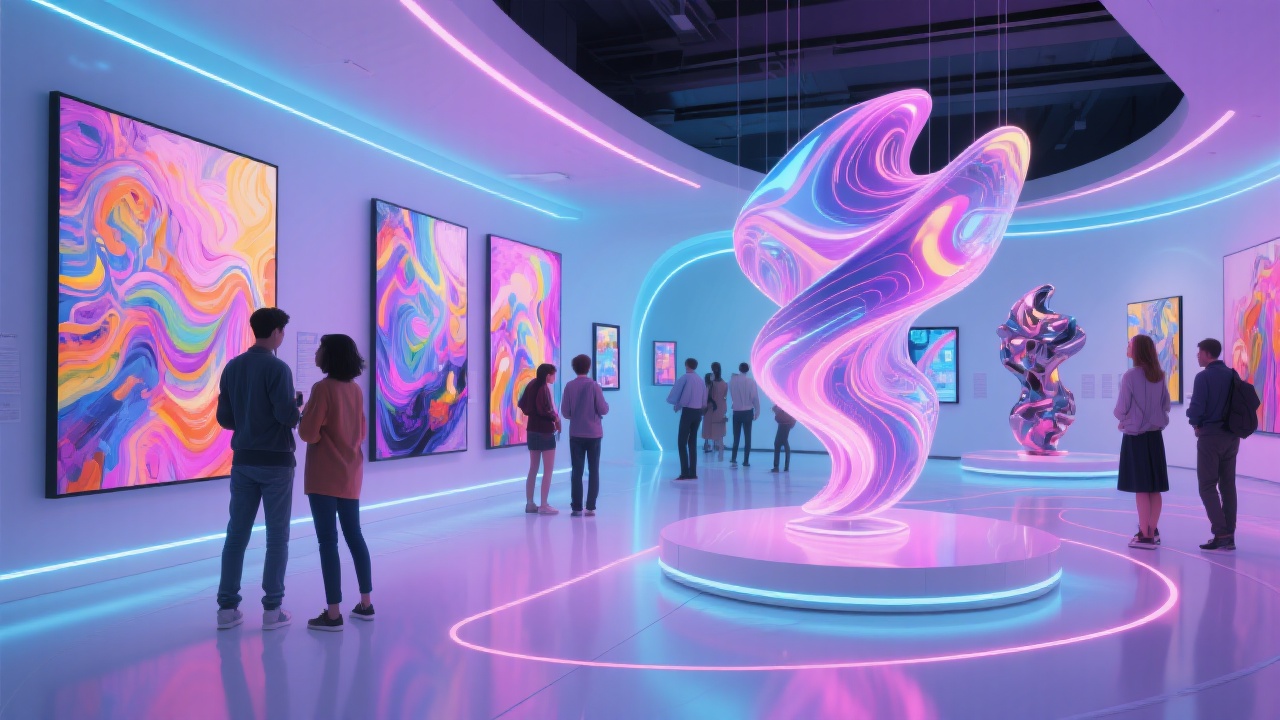
In recent years, the art world has witnessed a seismic shift with the emergence of artificial intelligence (AI) as a powerful tool for creativity and expression. This phenomenon, often referred to as AI art, is not merely a passing trend; it represents a profound transformation in how we conceive, create, and interact with visual art. As we delve into this aesthetic revolution, we will explore the implications of AI art on artistic expression, the role of technology in design, and the ethical considerations that accompany this new frontier.
The Intersection of Technology and Creativity
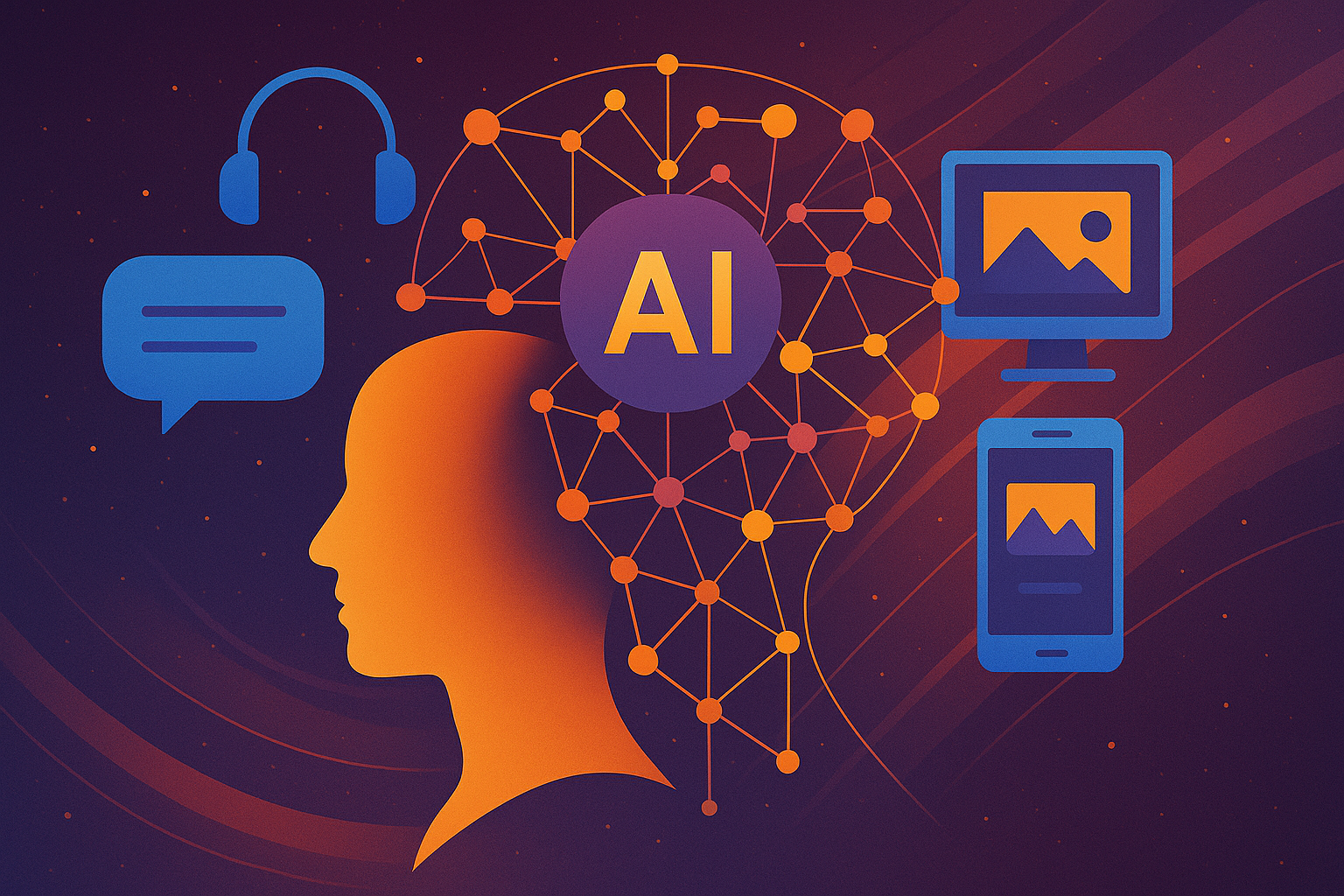
At the heart of the AI art movement lies the intersection of technology and creativity. Unlike traditional art forms, where human intuition and emotion play a crucial role, AI art leverages algorithms and machine learning to generate visuals that can be both stunning and thought-provoking. These algorithms analyze vast datasets of existing artwork, learning patterns, styles, and techniques that can be replicated or transformed into something entirely new.
One of the most notable examples of AI’s capability in art creation is the use of Generative Adversarial Networks (GANs). These networks consist of two neural networks—the generator and the discriminator—that work in tandem to create images. The generator produces an image based on learned data, while the discriminator evaluates its authenticity against the training dataset. This back-and-forth process results in artworks that can challenge our understanding of originality and authorship. As AI continues to evolve, the potential for creating unique visual expressions expands exponentially, leading to a new era of artistic innovation.
Redefining Artistic Collaboration
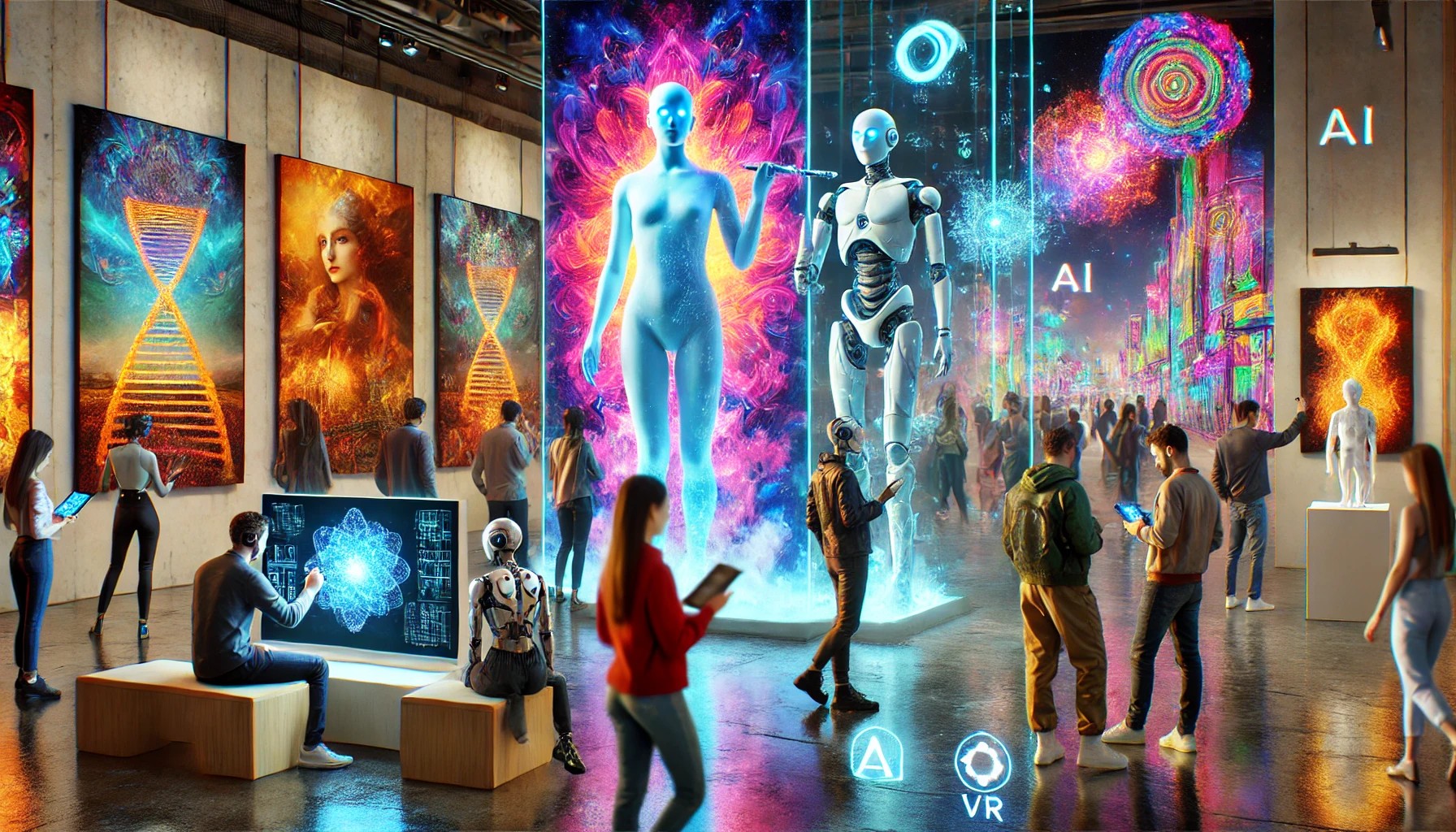
The advent of AI art also redefines the concept of collaboration in the creative process. Traditionally, artists have relied on their skills, experiences, and perspectives to create their work. However, with AI as a collaborator, the dynamic changes significantly. Artists now have the opportunity to engage with technology as a partner, augmenting their creative capabilities rather than replacing them.
This collaborative relationship can take various forms. Some artists use AI tools to generate initial concepts, which they then refine and personalize. Others may allow AI to dictate certain aspects of the artwork, embracing the unpredictability that comes with machine-generated outputs. This fusion of human creativity and artificial intelligence not only broadens the scope of artistic expression but also invites new discussions about the nature of creativity itself. As artists experiment with AI, they challenge traditional notions of authorship and creativity, prompting us to reconsider what it means to be an artist in the digital age.
Ethical Considerations in AI Art
While the rise of AI art brings exciting possibilities, it also raises significant ethical questions that must be addressed. One of the primary concerns revolves around authorship and intellectual property. If an AI generates a piece of art, who owns the rights to that work? Is it the programmer, the artist who used the AI, or the AI itself? These questions are not merely academic; they have real-world implications for artists, designers, and the industry at large.
Additionally, the potential for AI to perpetuate biases present in its training data is another critical issue. If an AI is trained on a dataset that lacks diversity, the resulting art may reflect and reinforce those biases, leading to a homogenization of visual culture. Artists and technologists must work together to ensure that AI tools are developed and utilized in ways that promote inclusivity and ethical standards.
Furthermore, as AI art becomes more mainstream, there is a risk of devaluing traditional artistic skills and craftsmanship. While AI can produce visually striking works, it may lead to a perception that art is merely a product of technology rather than a deeply human endeavor. This tension between technology and traditional artistry will require thoughtful dialogue within the creative community to ensure that both can coexist and enrich one another.
The Future of Visual Expression
As we look to the future, it is clear that AI art is poised to play a significant role in shaping visual expression and design. The integration of AI into the creative process offers artists unprecedented opportunities to explore new styles, techniques, and concepts. This evolution is not limited to fine art; it extends to graphic design, advertising, fashion, and beyond, influencing how we perceive and interact with visual culture.
Moreover, the democratization of AI tools means that aspiring artists and designers can access sophisticated technology that was once the domain of elite institutions. This accessibility has the potential to foster a more diverse and vibrant artistic community, where voices that have been historically marginalized can find expression through innovative means.
As AI continues to advance, we can expect to see a growing dialogue between artists and technologists, leading to the development of new tools and platforms that enhance creative possibilities. The aesthetic revolution is not just about AI creating art; it is about redefining our relationship with creativity, technology, and the very essence of what it means to be an artist in the 21st century.
In conclusion, the aesthetic revolution brought about by AI art is reshaping the landscape of visual expression and design. As we navigate this new territory, it is essential to engage with the opportunities and challenges that arise, ensuring that the future of art remains inclusive, innovative, and ethically sound.