
Revolutionizing Digital Design: The Impact of GANs on Content Creation and Visual Media
In the rapidly evolving realm of digital design, Generative Adversarial Networks (GANs) have emerged as a transformative technology, reshaping how content is created and visual media is produced. By harnessing the power of machine learning, GANs are enabling designers and artists to push the boundaries of creativity like never before. This article delves into the fundamentals of GANs, their applications in visual media, and the implications for the future of digital design.
Understanding GANs: The Basics
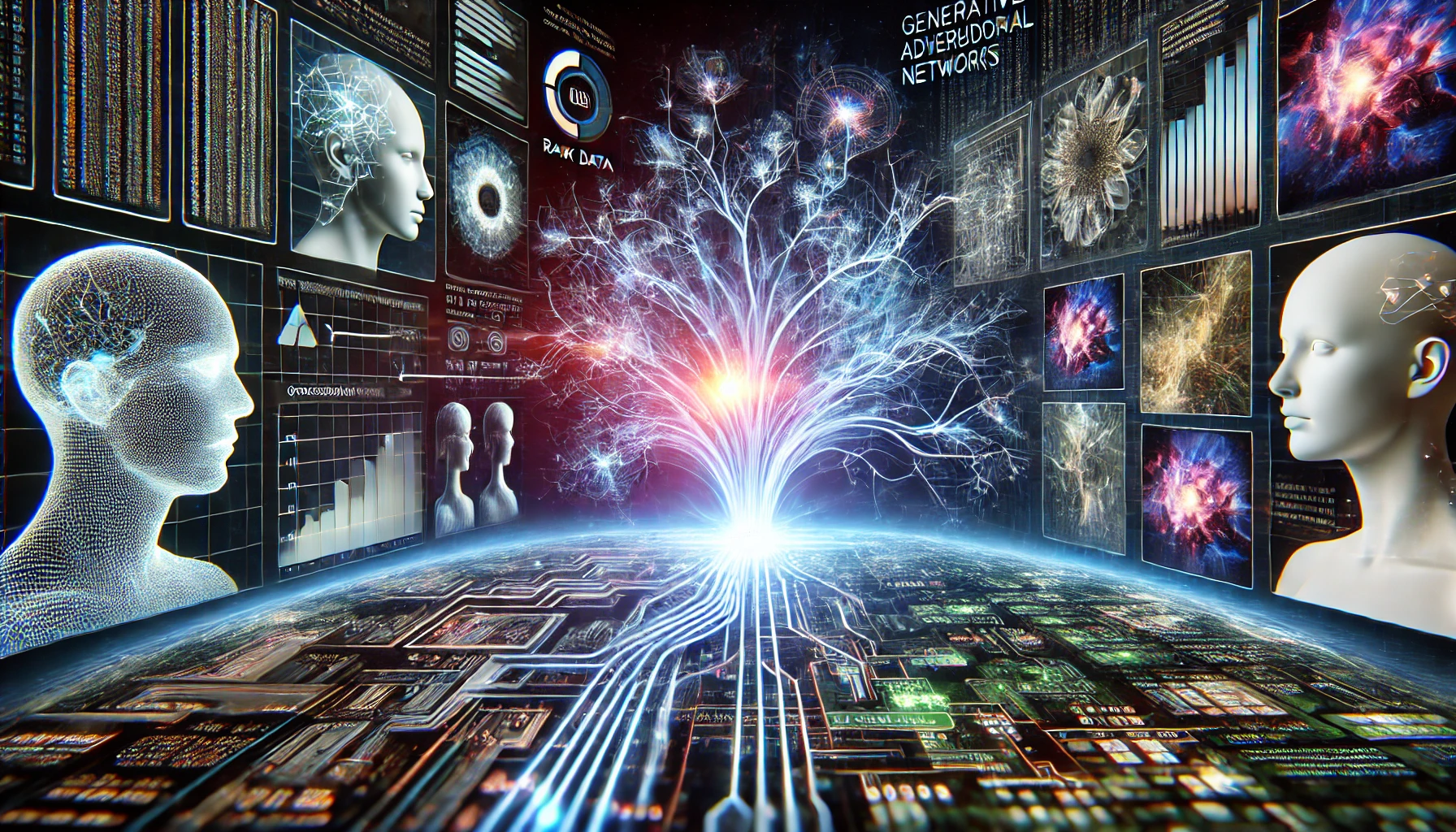
At the heart of GANs lies a unique architecture that consists of two neural networks: the generator and the discriminator. The generator creates new data instances, while the discriminator evaluates them against real data, determining whether they are genuine or fabricated. This adversarial process leads to a continuous improvement in the quality of the generated content, making GANs particularly effective in producing high-fidelity images, videos, and audio.
The concept of GANs was introduced by Ian Goodfellow and his colleagues in 2014, marking a significant milestone in the field of artificial intelligence. Since then, researchers have made remarkable strides in refining GAN architectures, leading to the development of various specialized models like CycleGAN, StyleGAN, and BigGAN. Each of these variations has its unique strengths, allowing for a diverse range of applications in digital design.
Applications of GANs in Visual Media
The influence of GANs on visual media is profound, with applications spanning numerous industries. One of the most notable uses is in the realm of image generation. Designers and artists can utilize GANs to create stunning visuals that blend realism with imaginative elements. For instance, StyleGAN has gained popularity for its ability to generate lifelike portraits, enabling artists to explore new creative avenues without the constraints of traditional techniques.
Moreover, GANs are revolutionizing the fashion industry by allowing designers to visualize clothing and accessories in unique ways. By generating realistic images of garments on virtual models, designers can experiment with styles and colors without the need for physical prototypes. This not only saves time and resources but also encourages innovation in fashion design.
In the realm of video production, GANs are being employed to enhance visual effects and automate tedious tasks. For example, GANs can be used to upscale low-resolution video footage, effectively improving quality and detail. This capability is particularly beneficial for filmmakers and content creators who seek to deliver high-quality visuals without incurring substantial costs.
The Future of Digital Design with GANs
As GANs continue to evolve, their potential impact on digital design is set to expand further. The integration of GANs with other technologies, such as augmented reality (AR) and virtual reality (VR), could lead to groundbreaking advancements in immersive experiences. Imagine a world where designers can create dynamic, interactive environments that adapt in real-time to user preferences, all powered by GANs.
Ethical considerations also play a crucial role in the future of GANs in digital design. As the technology becomes more accessible, the potential for misuse, such as the creation of deepfakes or misleading media, raises significant concerns. It is essential for designers and technologists to engage in responsible practices, ensuring that GANs are used to enhance creativity rather than deceive or manipulate audiences.
Furthermore, the democratization of GAN technology is paving the way for a new generation of creators. With user-friendly tools and platforms emerging, individuals with limited technical expertise can harness the power of GANs to produce compelling content. This shift is likely to foster a diverse array of voices in digital design, enriching the creative landscape.
Conclusion
In summary, Generative Adversarial Networks (GANs) are revolutionizing digital design and content creation, allowing artists and designers to explore new frontiers of creativity. As GANs continue to mature and integrate with other technologies, their impact on visual media will only grow. Embracing this powerful tool while navigating its ethical implications will be crucial for the future of digital design.
By understanding and leveraging GANs, creators can unlock unprecedented opportunities for innovation, collaboration, and expression in the world of visual media. As we stand on the brink of this new era, the possibilities are truly limitless.