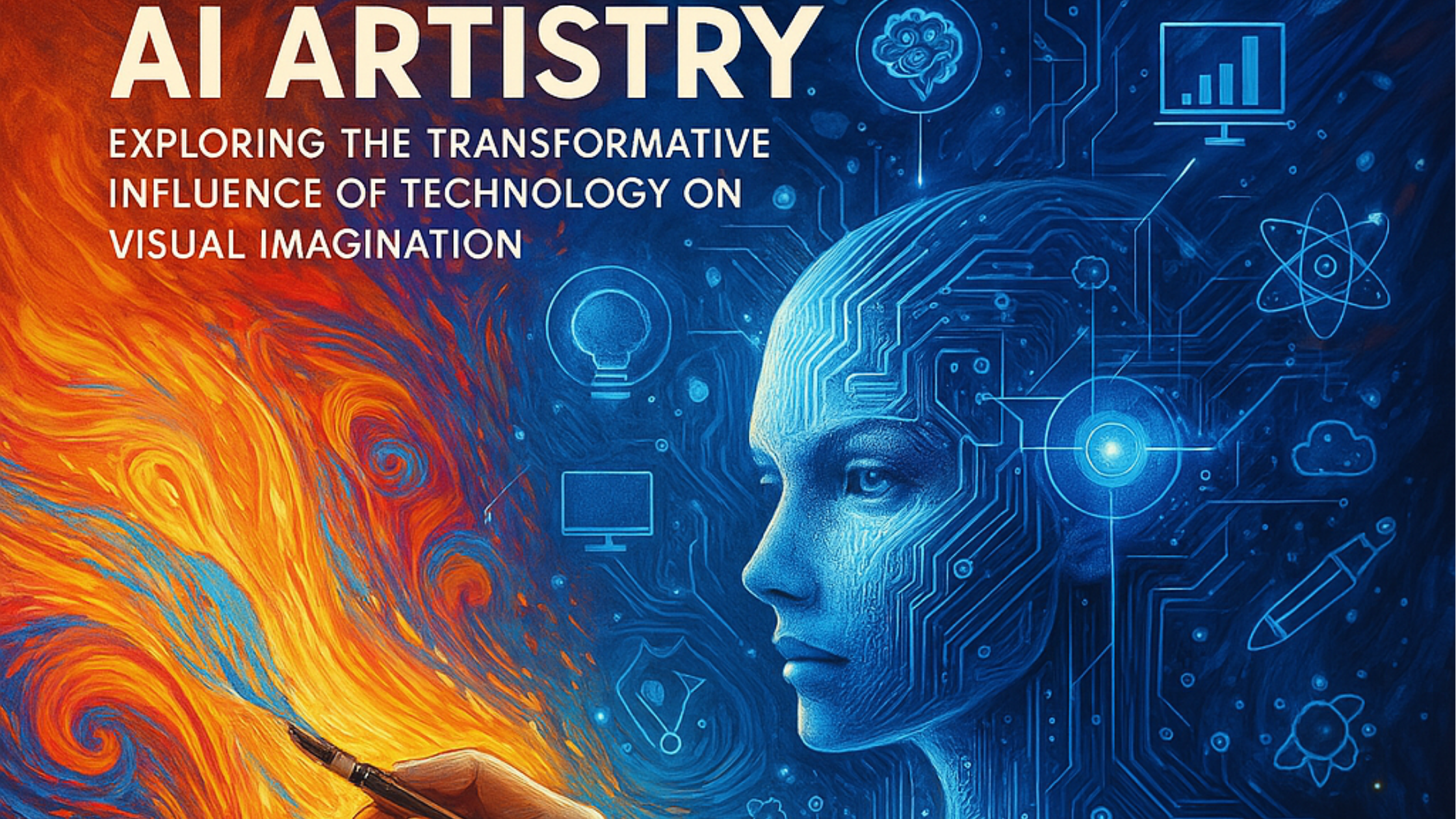
AI Art: Exploring the Intersection of Technology and Imagination in the World of Visual Expression
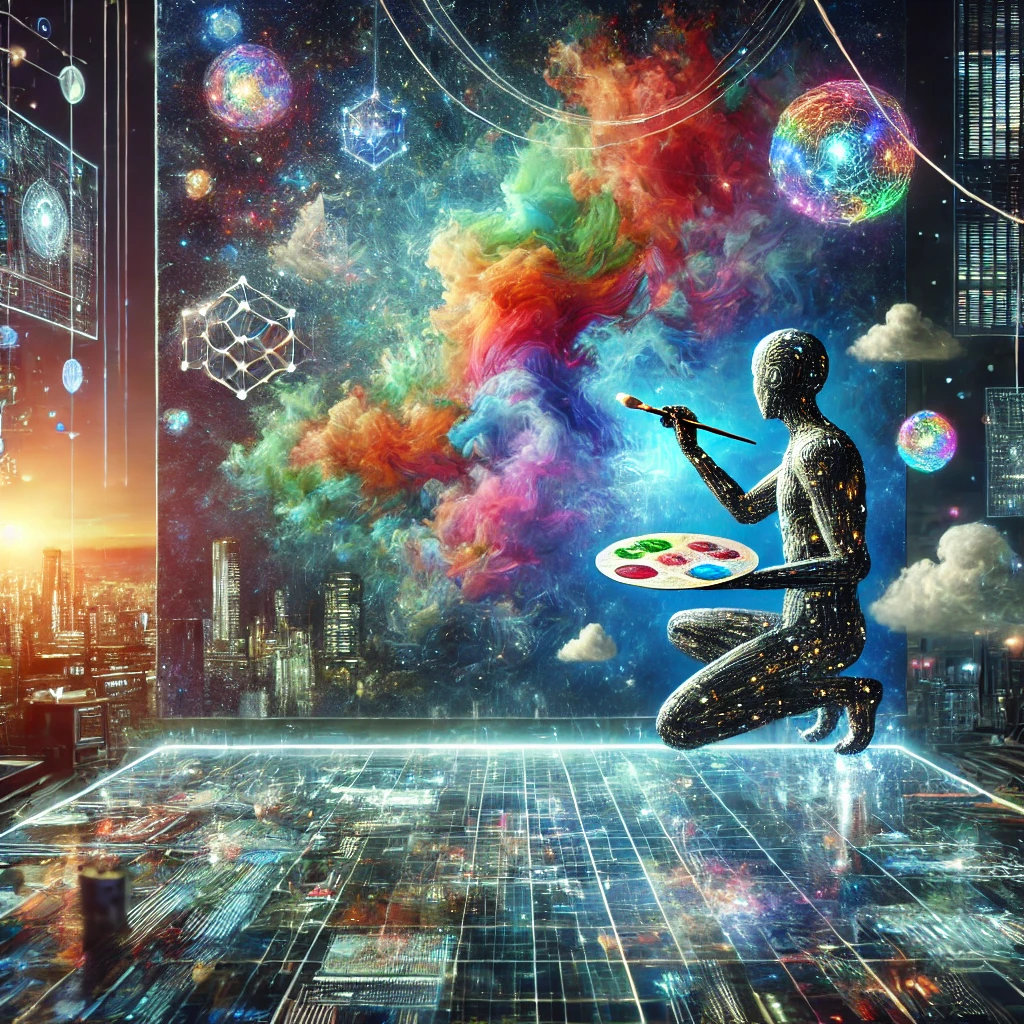
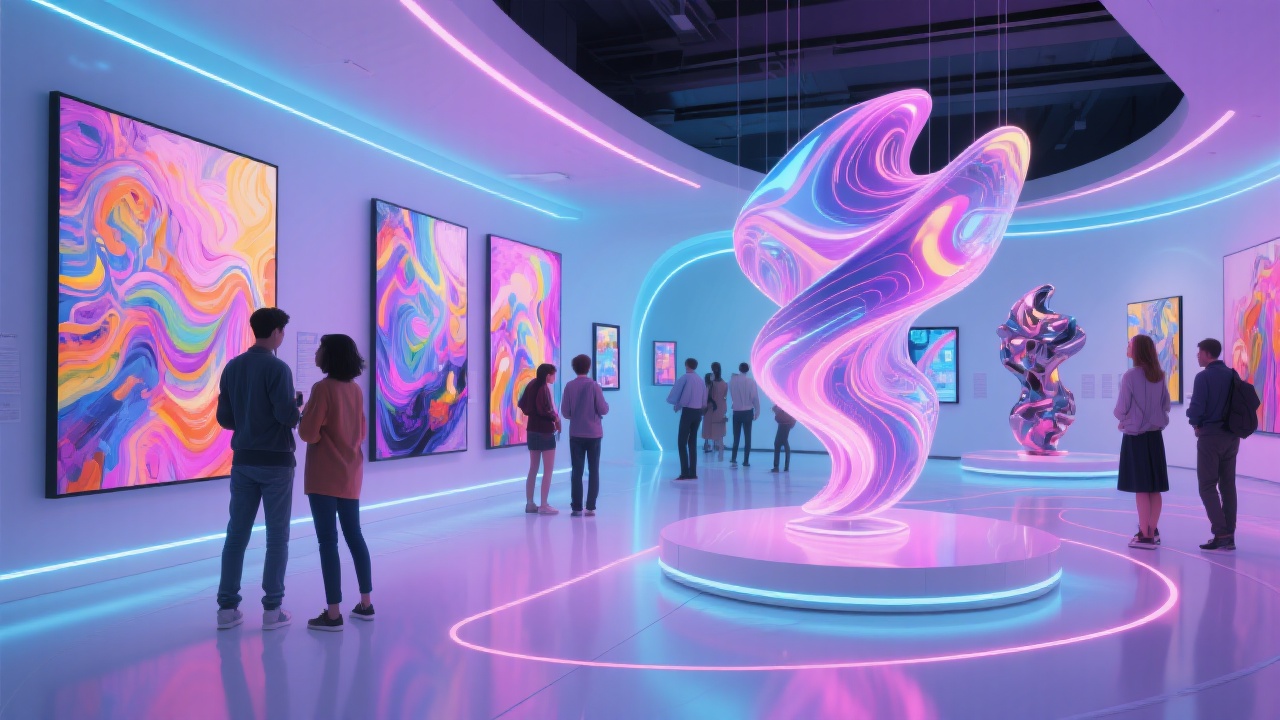
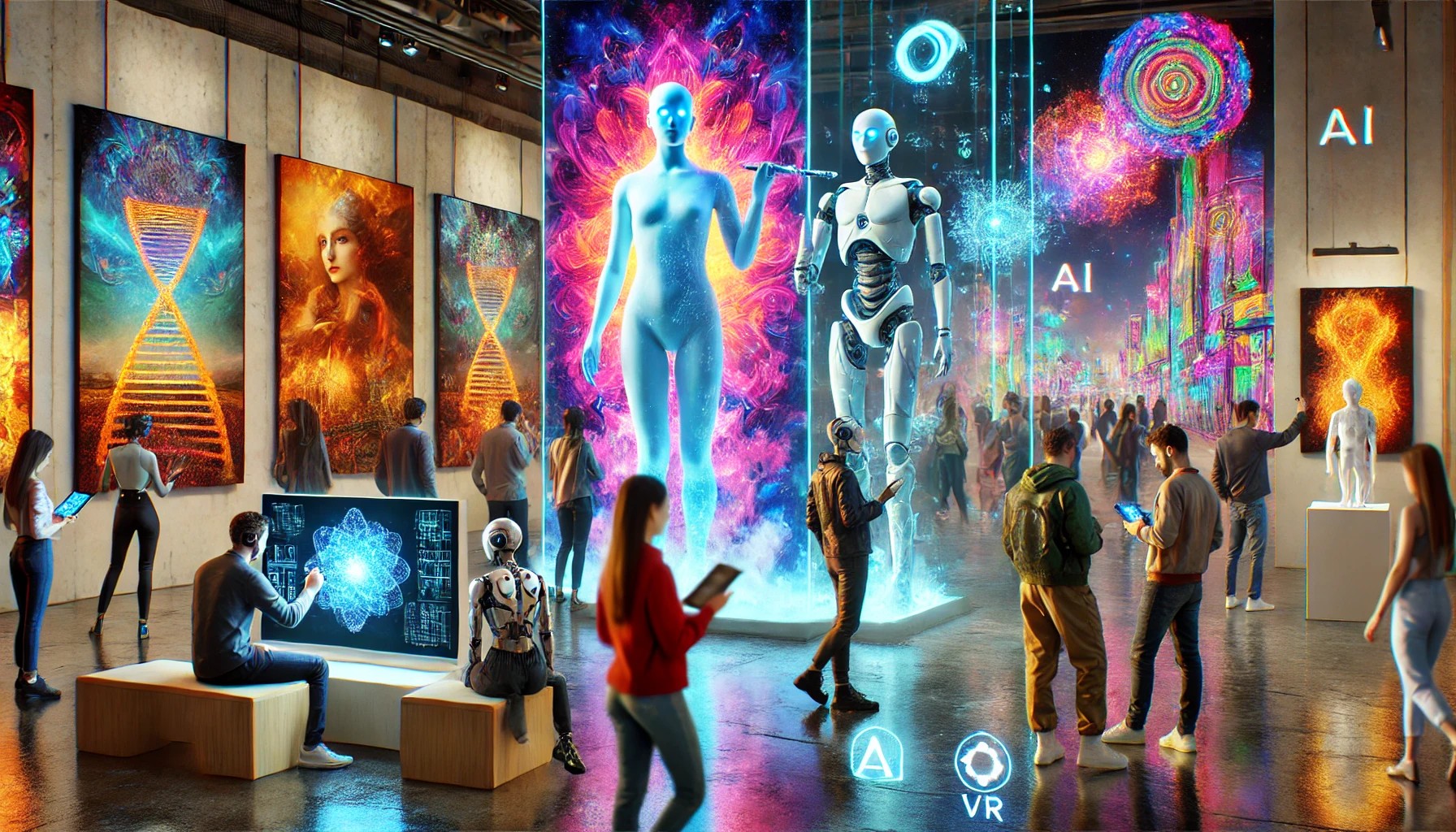
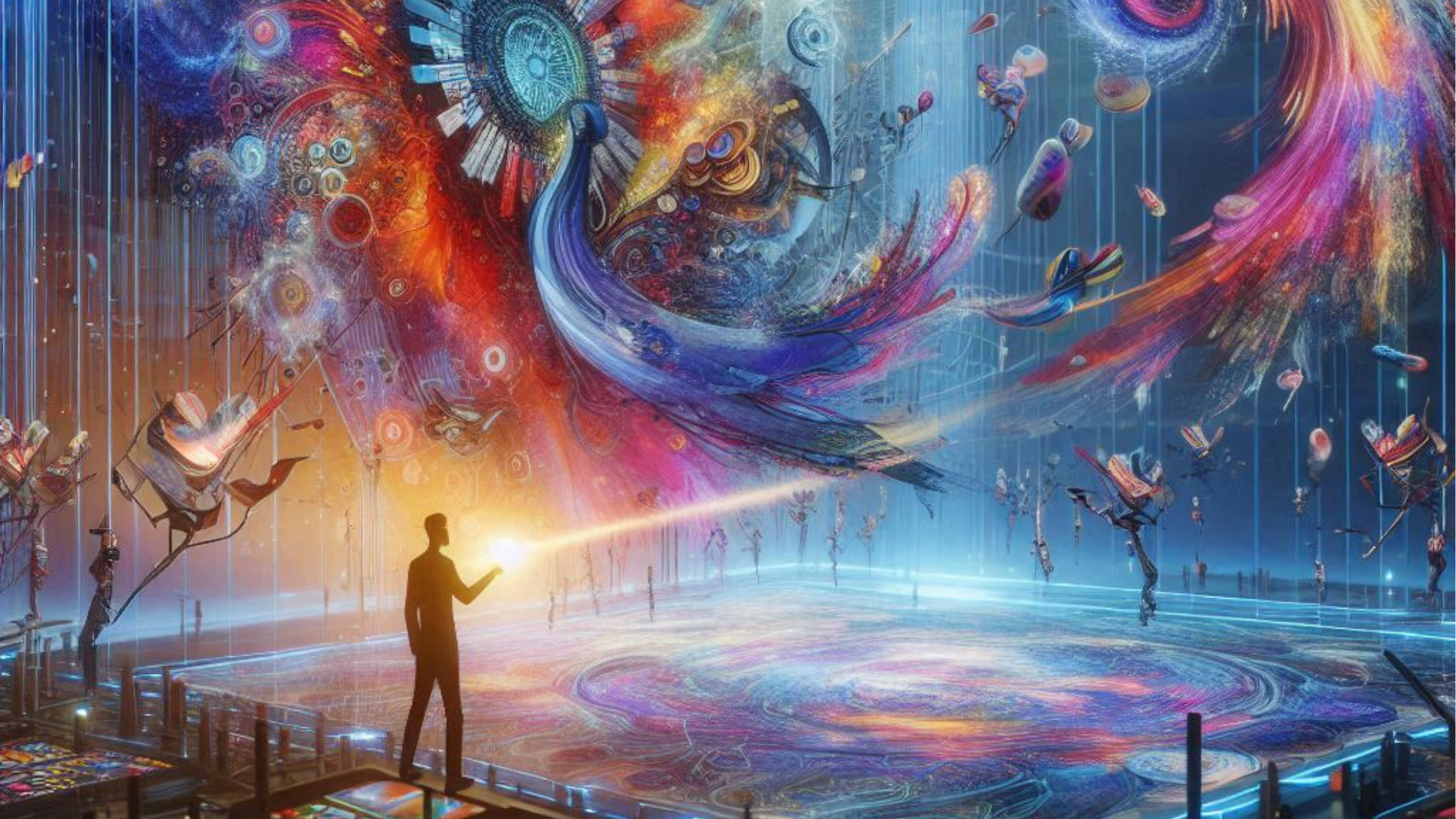
In recent years, artificial intelligence has made significant strides in the realm of visual arts, leading to a burgeoning field known as AI art. This innovative intersection of technology and creativity raises intriguing questions about authorship, the role of the artist, and the very nature of creativity itself. As AI-generated artworks gain traction in galleries and online platforms, it is crucial to examine how this technology impacts creative jobs, the nuances of prompting AI systems, and the ongoing debate surrounding copyright issues.
The Impact of AI Art on Creative Jobs -Redefining Artistic Roles
The advent of AI art has sparked a debate about the future of creative professions. Traditionally, artists have relied on their skills, intuition, and emotional depth to create meaningful works. However, with AI capable of generating intricate visuals in mere seconds, the role of the artist is evolving. Many artists are now embracing AI as a tool rather than a replacement. By leveraging AI, they can enhance their creative processes, explore new styles, and push the boundaries of their imagination.
Job Displacement or Transformation?
While some fear that AI will render certain creative jobs obsolete, others argue that it will lead to the transformation of these roles. For instance, graphic designers and illustrators might find themselves collaborating with AI systems to produce original content more efficiently. This collaboration can free them from mundane tasks, allowing them to focus on higher-level creative decisions. As the industry adapts, new job opportunities may arise, such as AI art curators or AI ethics consultants, emphasizing the need for a balanced perspective on the potential impact of AI on creative employment.
The Nuances of Prompting AI Systems -Crafting Effective Prompts
To generate compelling AI art, users must learn the art of prompting. This process involves providing the AI with specific instructions or keywords that guide its creative output. However, the effectiveness of these prompts can vary widely. A vague prompt may yield generic results, while a well-crafted, detailed prompt can lead to stunning and unique artworks. This nuance highlights the importance of understanding the AI’s capabilities and limitations, as well as the user’s ability to articulate their vision.
The Role of Human Intuition
Despite the technological prowess of AI, human intuition remains a vital component in the creative process. Artists often experiment with different prompts, adjusting and refining them based on the AI’s responses. This iterative process can lead to unexpected and serendipitous outcomes, showcasing the collaborative nature of AI art. As artists learn to navigate this new landscape, they develop a unique skill set that combines technical knowledge with creative intuition.
Navigating Copyright Issues in AI Art: Ownership and Authorship
One of the most contentious issues surrounding AI art is the question of copyright and ownership. When an AI generates a piece of art, who holds the rights to that creation? Is it the programmer who designed the AI, the user who provided the prompt, or the AI itself? These questions challenge traditional notions of authorship and intellectual property, prompting legal experts to explore new frameworks for copyright in the digital age.
Legal Precedents and Future Implications
As AI-generated artworks become more prevalent, legal systems worldwide are grappling with how to address these challenges. Some jurisdictions have begun to recognize AI as a tool rather than an author, placing the onus of copyright on the human user. However, this approach raises concerns about the potential for exploitation and the dilution of artistic value. As the legal landscape evolves, it is essential for artists, technologists, and policymakers to engage in ongoing discussions about the implications of AI art on copyright laws.
The Future of AI Art: A Collaborative Landscape -Embracing New Possibilities
Looking ahead, the future of AI art appears to be one of collaboration rather than competition. Many artists are already integrating AI into their creative workflows, using it as a source of inspiration and experimentation. This symbiotic relationship can lead to innovative forms of expression that blend human creativity with machine learning. As technology continues to advance, the possibilities for artistic exploration are virtually limitless.
Ethical Considerations
As we embrace AI art, it is crucial to consider the ethical implications of this technology. Issues such as bias in AI algorithms, the potential for misinformation, and the environmental impact of data centers must be addressed. Artists and technologists must work together to ensure that AI is used responsibly and inclusively, fostering a creative landscape that values diversity and originality.
In conclusion the emergence of AI art represents a fascinating intersection of technology and imagination, prompting us to reevaluate our understanding of creativity, authorship, and the role of the artist. While concerns about job displacement and copyright issues persist, the potential for collaboration between humans and AI offers exciting opportunities for artistic expression. As we navigate this evolving landscape, it is essential to embrace the challenges and possibilities that AI art presents, ensuring that it enriches the world of visual expression for generations to come.