

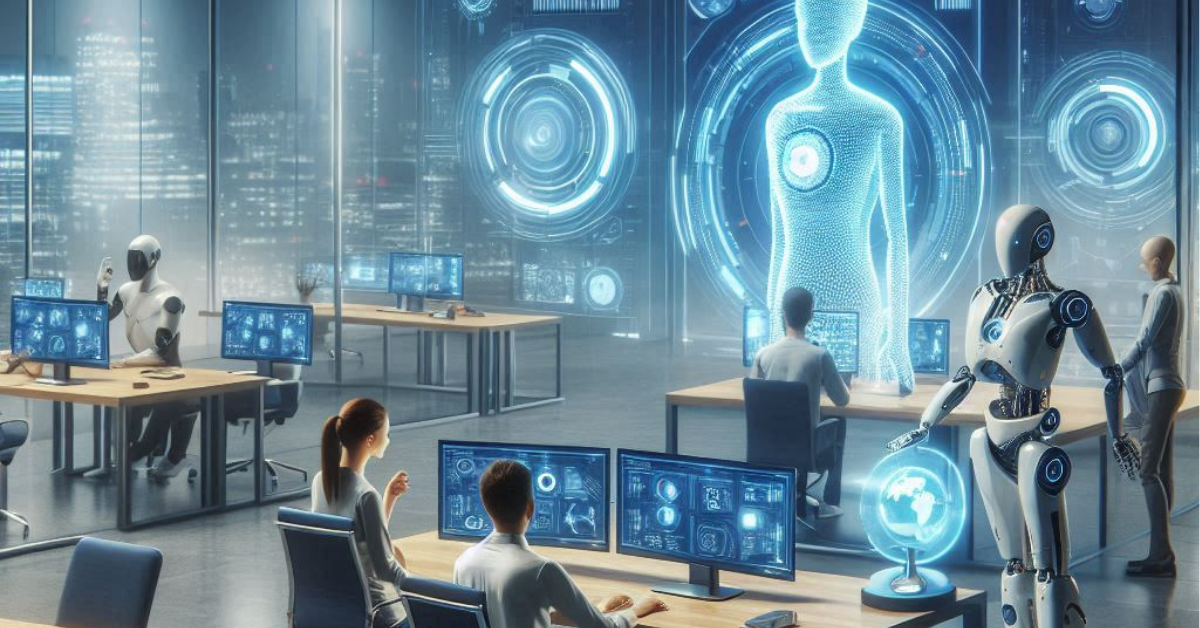
Enhancing Human-AI Collaboration for Greater Innovation and Efficiency
The rapid advancement of artificial intelligence (AI) technologies has sparked both excitement and concern regarding the future of work. As AI continues to evolve, it presents a unique opportunity to enhance human capabilities rather than replace them. This article explores how AI can be effectively integrated into the workforce, focusing on augmenting human capabilities, redesigning workflows, and fostering collaboration in specific sectors. By embracing AI as a partner, organizations can unlock unprecedented levels of innovation and efficiency.
Augmenting Human Capabilities
One of the most promising aspects of AI is its potential to augment human capabilities. Rather than viewing AI as a threat to jobs, it is more productive to see it as a tool that can enhance our skills and decision-making processes. For instance, in fields such as healthcare, AI algorithms can analyze vast amounts of patient data to assist doctors in diagnosing diseases more accurately and quickly. This collaboration allows healthcare professionals to focus on patient care while leveraging AI’s analytical power.
Moreover, AI can help individuals in creative industries by providing inspiration or generating initial drafts. Writers, designers, and artists can use AI tools to brainstorm ideas or create prototypes, thereby freeing up their time to refine and innovate. By combining human intuition and creativity with AI’s data processing capabilities, professionals can achieve results that neither could accomplish alone.
Redesigning Workflows
The integration of AI into the workplace necessitates a rethinking of traditional workflows. Organizations can leverage AI to automate repetitive tasks, allowing employees to focus on more strategic and creative work. For instance, in the manufacturing sector, AI-driven robotics can handle assembly line tasks, while human workers can oversee quality control and problem-solving. This shift not only increases efficiency but also enhances job satisfaction, as employees engage in more meaningful work.
Additionally, AI can facilitate better communication and collaboration among teams. By using AI-powered project management tools, organizations can streamline processes, track progress, and allocate resources more effectively. These tools can analyze data from various sources to provide insights on team performance, enabling managers to make informed decisions and optimize workflows further. The result is a more agile and responsive organization that can adapt to changing market demands.
Teaming in Specific Sectors
Certain sectors are poised to benefit significantly from enhanced human-AI collaboration. In finance, for example, AI algorithms can analyze market trends and predict stock movements with high accuracy. Financial analysts can use these insights to make informed investment decisions, ultimately leading to better outcomes for clients. By combining human judgment with AI’s analytical prowess, professionals in finance can navigate complex markets more effectively.
In the realm of education, AI can personalize learning experiences for students. Adaptive learning platforms can assess a student’s strengths and weaknesses, tailoring educational content to meet their unique needs. Educators can then focus on mentoring and guiding students, fostering a more engaging and effective learning environment. This collaboration between AI and educators can lead to improved student outcomes and a more inclusive educational system.
The Ethical Considerations of Human-AI Collaboration
While the potential benefits of AI collaboration are significant, it is essential to address the ethical considerations that come with it. As organizations adopt AI technologies, they must ensure that these systems are transparent, fair, and accountable. Bias in AI algorithms can perpetuate existing inequalities, and businesses must take proactive measures to mitigate this risk. By implementing ethical guidelines and fostering a culture of responsibility, organizations can build trust in AI systems and ensure that they serve the greater good.
Furthermore, as AI takes on more responsibilities, organizations must prioritize employee training and upskilling. Preparing the workforce for a future where AI plays a central role is crucial for maximizing its potential. By investing in training programs that enhance digital literacy and AI proficiency, organizations can empower their employees, enabling them to thrive in an AI-augmented workplace.
Conclusion: Embracing the Future Together
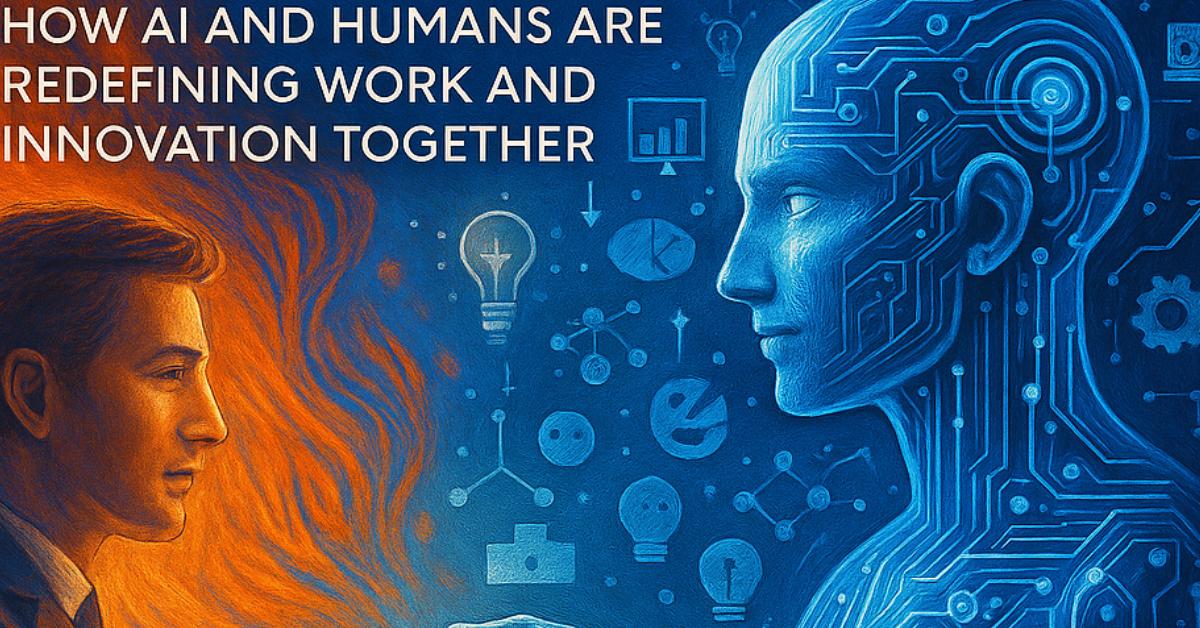
The future of work is not a battle between humans and machines; rather, it is an opportunity for collaboration. By enhancing human capabilities, redesigning workflows, and fostering teamwork in specific sectors, AI can become a valuable ally in driving innovation and efficiency. Organizations that embrace this partnership will not only improve their operations but also create a more fulfilling work environment for their employees.
As we move forward, it is vital to prioritize ethical considerations and invest in workforce development to ensure a harmonious coexistence between humans and AI. Together, we can shape a future where technology enhances our abilities and makes work more meaningful and impactful.